






 Portuguese
  Spanish


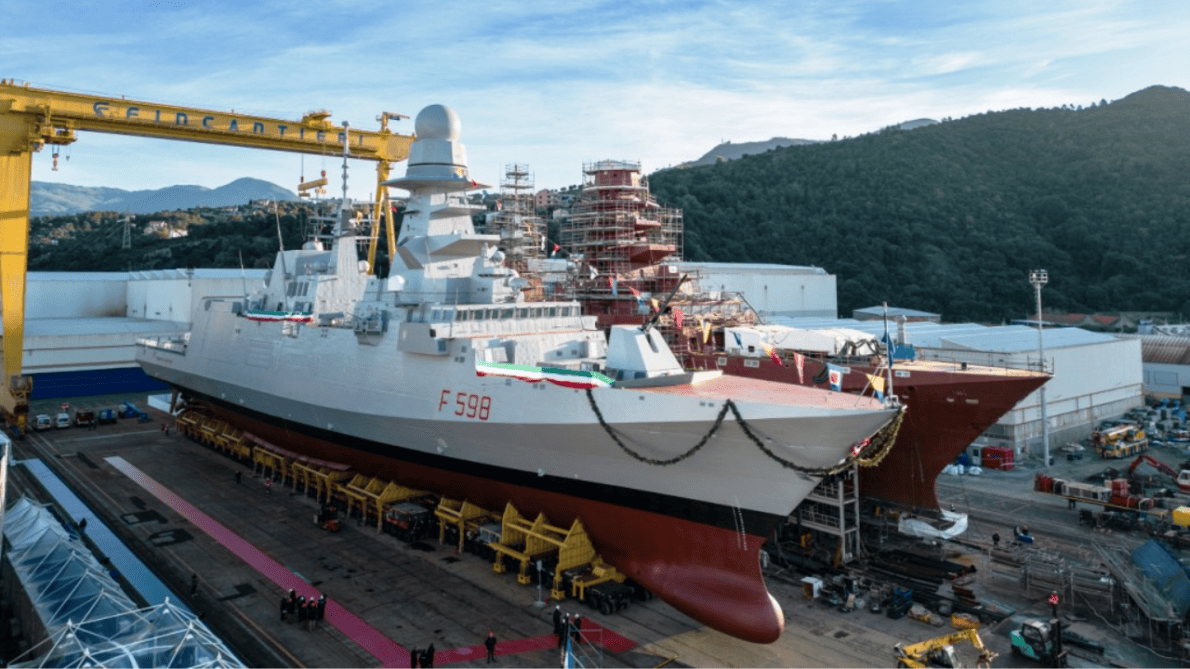

New Frigate “Spartaco Schergat,” Focused on Anti-Submarine Warfare, Represents a Milestone in the Modernization of the Italian Fleet and Reaffirms the Leadership of the European Naval Industry.
The Italian Navy officially received, on Tuesday (15), the multifunction frigate “Spartaco Schergat,” the ninth vessel of the innovative FREMM program (European Multi-Mission Frigate).
The delivery ceremony was held at the Muggiano shipyard in La Spezia and marks an important step in the modernization of the Italian fleet, with the introduction of an advanced platform aimed at anti-submarine warfare operations, maritime control, and protection of strategic routes.
Official Delivery of the Spartaco Schergat Frigate Strengthens Industrial Partnership
The “Spartaco Schergat” frigate was built by Orizzonte Sistemi Navali (OSN), a joint venture between Fincantieri (51%) and Leonardo (49%), which leads the program under the supervision of OCCAR (Organization for Joint Armament Cooperation).
-
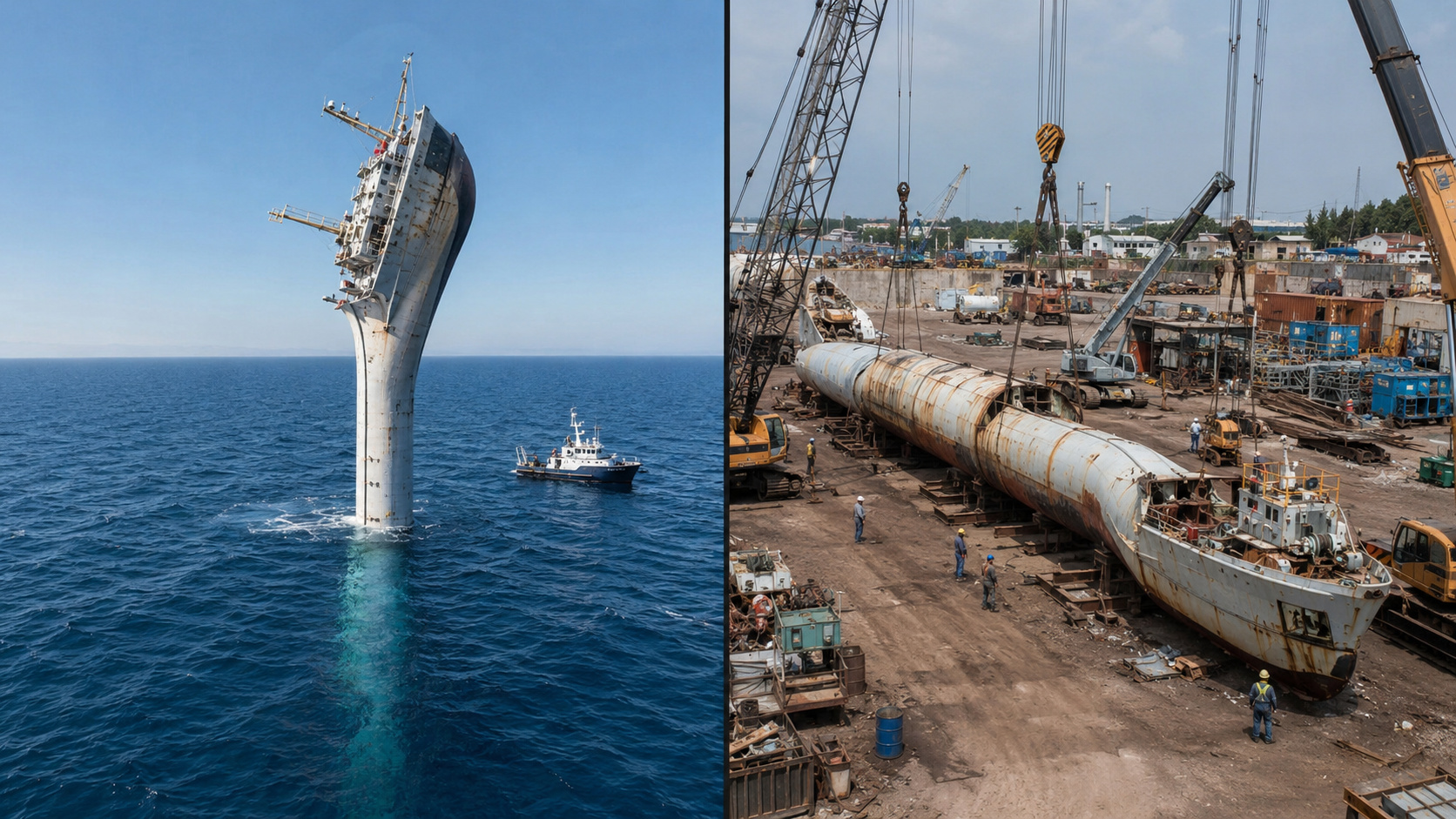
The FLIP: A 108-Meter Ocean Laboratory That Stood Vertically for 60 Years, Dismantled in 2023

-
North Korean Fiasco: Launch of the Largest Warship Ends in Sinking

-
While giant ships still burn heavy fuel and the maritime sector races against climate targets, Maersk and Vale are starting to bet on ethanol as a new route to reduce emissions at sea.

-
China begins construction of the world’s largest LNG ship, a 344-meter giant capable of supplying 4.7 million homes for a month, carrying 271,000 m³ of gas, and placing QatarEnergy in the largest naval order ever recorded in world history.



The ceremony was attended by civil and military authorities from Italy and France, reflecting the cooperative and multinational character of the FREMM project.
Designed as a truly multifunctional platform, the Spartaco Schergat integrates capabilities from general-use and anti-submarine versions, highlighting state-of-the-art systems developed by companies such as MBDA and Elettronica.
The frigate is 144 meters long, displaces 6,700 tons, and can reach speeds exceeding 27 knots, with a range of up to 6,000 nautical miles.
These specifications allow the Italian Navy to operate in prolonged mission theaters, including beyond the Mediterranean Sea, with a high degree of resilience and efficiency.
The vessel can accommodate up to 200 crew members and was designed with a focus on ergonomics and automation, optimizing operations and reducing the need for ongoing maintenance.
Technology and Innovation at the Service of Defense
The Enhanced Anti-Submarine Warfare (ASW) version of the frigate incorporates state-of-the-art combat systems, with a high level of automation and cyber protection.
The project was developed based on advanced studies of human factors, prioritizing safety and efficiency in various tactical missions.
As a result, the Italian Navy expands its response capacity to submarine threats, contributing to regional and global maritime stability.
FREMM: Cooperation and Continuous Modernization
Launched in 2005, the FREMM program aims to replace obsolete frigates from the 1970s and 1980s, from the “Lupo” and “Maestrale” classes.
The Spartaco Schergat is the first of two ASW units planned in the current phase, while two other next-generation frigates, called FREMM EVO, are under construction with deliveries expected in 2029 and 2030.
The program reaffirms the leadership of the European naval industry in the development of high-performance vessels and strengthens the strategic role of the Italian Navy in international operations.
With the incorporation of the “Spartaco Schergat” frigate, the Italian Navy enhances its operational readiness in an increasingly challenging global landscape.
Investment in technologically advanced naval assets ensures greater tactical flexibility and consolidates Italy’s position as a reference in the development of maritime defense solutions in the European and global context.


