






 Portuguese
  Spanish
  2 min of reading
  0 comments


Marine engine powered entirely by hydrogen receives certification from Lloyd’s Register and advances as an alternative for industrial vessels, with power from 900 kW to 2,670 kW, operation without fossil fuels, and exhaust formed by water vapor mixed with atmospheric air
A marine engine powered entirely by hydrogen has received a Type Approval Certificate from Lloyd’s Register, following an evaluation of operational performance, safety, and mechanical reliability. The certification was granted to BeHydro and validates a technology aimed at industrial maritime transport.
The equipment uses a spark ignition system and operates without conventional fossil fuels during navigation. By dispensing with a secondary fuel source, the project reduces the number of subsystems required on board.
The architecture prevents the generation of carbon compounds in combustion. For fleet operators, the marine engine emerges as a mechanical option to replace propulsion systems associated with high emissions.
-
Samsung launches an ultra-thin notebook with up to 22 hours of battery life, a 3K AMOLED display with 120 Hz, and a next-generation Snapdragon chip to rival the Lenovo Yoga Slim 7x and the 14-inch MacBook Pro; meet the Galaxy Book 6 Edge

-
iPhone 18 might be more expensive than many people expected, and the blame would lie with the memory chips that have become as valuable as gold in the race for artificial intelligence.

-
U.S. Navy signs a $23.4 million contract to produce 50 units of the Blackbeard hypersonic missile, a weapon that exceeds 6,100 km/h and targets long-range attacks at a lower cost.

-
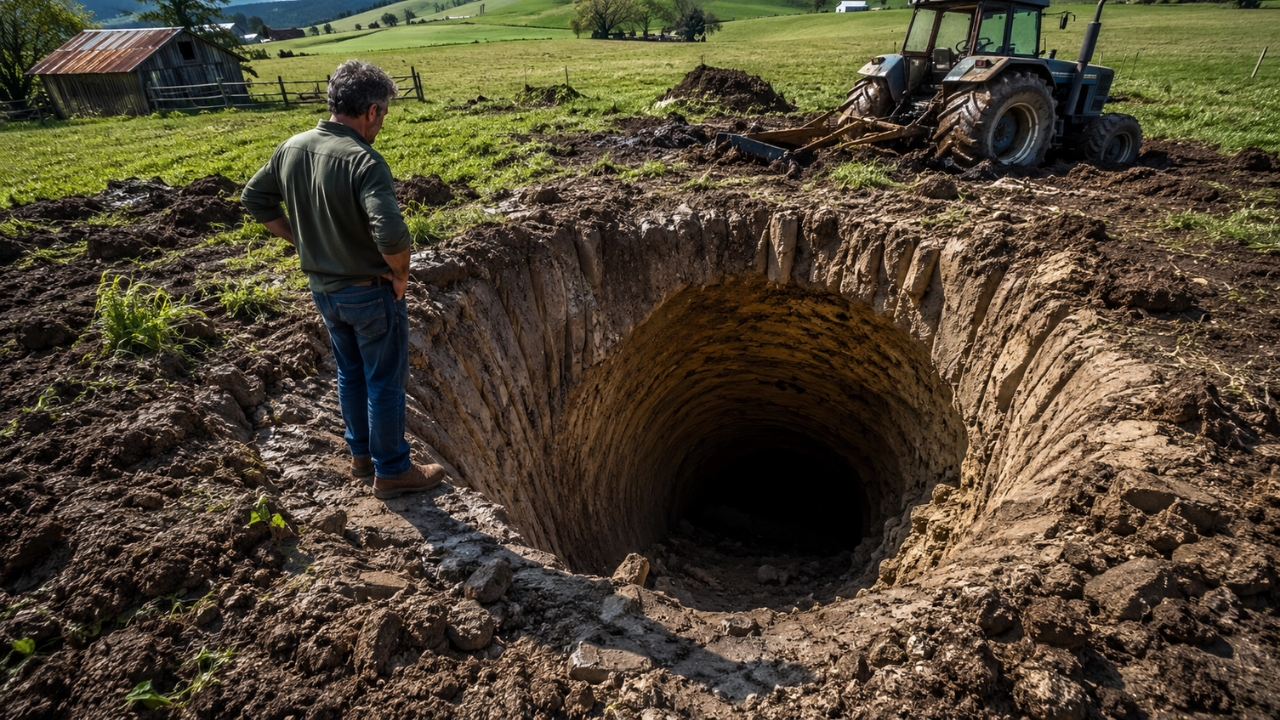
Farmer saw the tractor sink in the field and ended up revealing a prehistoric tunnel with claw marks that may have been dug by giant animals thousands of years ago in Brazil.



Power meets different uses in the naval sector
The certified line covers power from 900 kilowatts to 2,670 kilowatts. This range allows application in different maritime segments, both as the main propulsion and in conjunction with electric generators for auxiliary onboard power.
Lloyd’s Register considers independent certification an important element to give confidence to shipowners and operators about emerging fuel technologies. The validation confirms expected technical parameters for safety, performance, and reliability.
The management of ABC Engines states that the formal certification validates the technological structure of the line for shipowners on a global scale. The units can also be adapted for industrial uses outside the standard maritime environment.
Combustion generates water vapor and air
The systems were designed to tolerate small impurities in the incoming hydrogen gas. This feature allows integration into stationary power generation installations and land-based railway networks.
The combustion cycle does not release carbon dioxide, nitrogen oxides, sulfur oxides, or particulate soot. The resulting exhaust is formed by water vapor mixed with atmospheric air.
The manufacturing dispenses with lithium, zinc, cobalt, platinum, and rare earths. The project uses traditional engineering to extend the lifespan of components, simplify maintenance, and reduce operational costs and downtime.
The certification of the marine engine opens a debate on how shipowners, operators, and industries can incorporate hydrogen into real operations, maintaining safety, reliability, and cost control. Do you believe this technology can gain space on ships in the coming years?






Be the first to react!