Portuguese
  Spanish


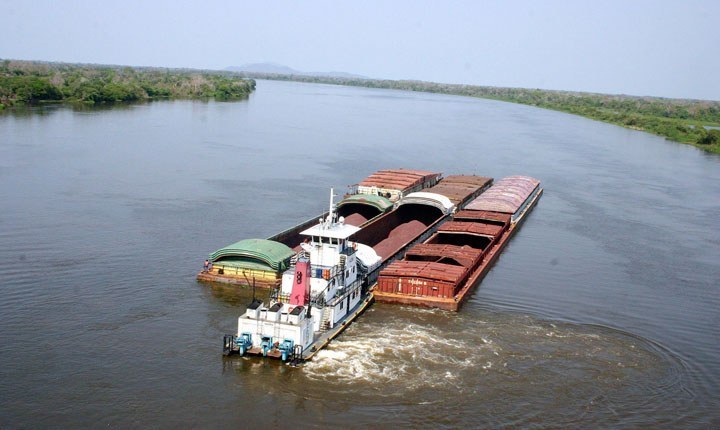
While the discussion about railways drags on for decades, Brazil increasingly looks to its rivers as a solution to an expensive problem: transporting soybeans and corn by barge, down the water in giant convoys, instead of sending everything by truck for thousands of kilometers, in a model that drains the competitiveness of agribusiness.
Brazil has one of the highest logistics costs in the world to distribute its production, and the reason is well known: it relies too much on the truck. Moving grain by road over continental distances is expensive, pollutes more, and congests the roads. Nature, however, has offered a cheap and underutilized alternative: the rivers.
The big bet is the Paraná-Paraguay waterway, a river corridor that cuts through the heart of South America and can take production from the Midwest and South to export ports by water. A single barge carries the equivalent of dozens of trucks, with a fraction of the fuel cost per ton transported.
The math that favors water
The advantage of river transport is striking. Industry studies show that moving cargo by waterway can cost well less than half of what it costs by road over the same distance, in addition to consuming much less fuel per ton. For a commodity like soybeans, sold at the same price worldwide, every cent saved on freight becomes direct profit for the producer.
-
Bridge Rebuilt in Just One Year Reconnects Two Brazilian States

-
Custom Furniture Costs in Brazil Expected to Range from $350 to Over $1,450 per Square Meter by 2026, with Kitchens, Closets, and Laundries Highlighting the Impact of Premium Features
-
Australia Builds Entire Airport from Scratch to Spark Development of New City
-
17-Story Building with 112 Apartments Opens in Australia to House Homeless Population, Offering Fully Equipped Units with Daily On-Site Support


There is also the environmental gain. Barge convoys emit much less carbon per ton transported than a fleet of trucks covering the same route, and they remove heavy vehicles from already saturated roads. In theory, it is a solution that is good for both the pocket and the climate at the same time, something rare in logistics.
So why does Brazil still use its rivers so little?
The potential held back
The problem is that taking advantage of a waterway is not just about putting a barge in the water. It is necessary to ensure draft, that is, sufficient depth all year round, which requires dredging works and sometimes the removal of rocky sections, like the famous Pedral do Lourenço in the Tocantins basin. Without this, navigation stops in the dry season or becomes dangerous.
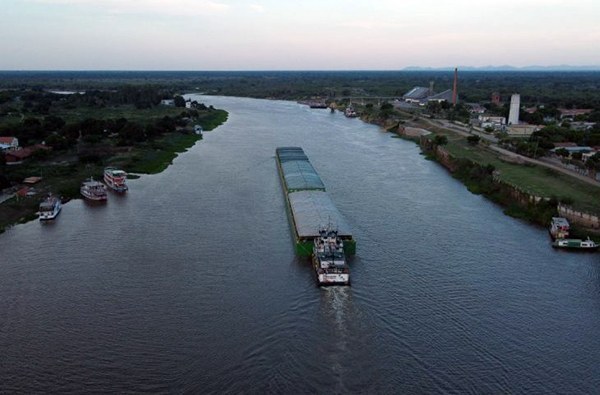
In addition to depth, there is a lack of terminals to load and unload the barges, locks to overcome dams, and legal security to attract investment. Add to this the legitimate environmental concerns about the impact of altering rivers, and it becomes clear why the waterway, despite being obvious on paper, is still in its infancy in practice.
It is the same pattern that holds back the railways: Brazil knows what it needs to do, has the natural resource available, but is hindered by the slowness to get projects off the ground. The Paraná-Paraguay waterway has been discussed for years and progresses at a much slower pace than its potential would justify.
The example from abroad
The world shows that it works. In the United States, the river system like the Mississippi moves a huge portion of the grain harvest by barge towards the sea, and Europe uses rivers like the Rhine and the Danube intensively to transport heavy cargo between countries. These are consolidated waterway networks that have been in place for decades, which have reduced logistics costs and removed millions of trucks from the roads.
Brazil has one of the largest networks of navigable rivers on the planet, yet it only takes advantage of a small part of this potential. The comparison is harsh: nature has provided the country with a system of liquid roads practically for free, and decades of prioritizing asphalt have left this asset shelved, while freight costs weigh more and more on the producer.
The race to unlock the rivers
Despite the obstacles, there is movement. Dredging projects, new terminals, and the removal of navigation obstacles are entering infrastructure plans, and the agribusiness sector is pushing for progress, because each record harvest makes the logistical bottleneck more unsustainable. The calculation is simple: without more waterway and railway, part of the harvest’s profit evaporates in freight.
Agribusiness is the main stakeholder. With grain production breaking records every year, distributing this mountain of soybeans and corn has become a national challenge, and rivers are one of the cheapest pieces of this puzzle. Unlocking the waterway means putting more money in the producer’s pocket and more competitiveness in the Brazilian product abroad.
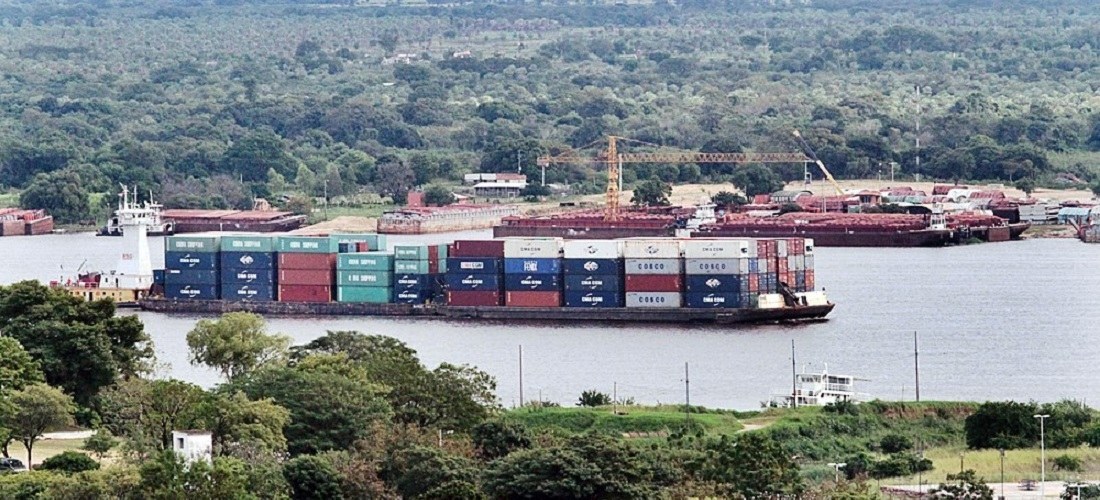
I imagine the size of the savings the country would make if it used its rivers on the scale that geography allows. The United States and Europe have been moving enormous volumes of cargo by waterways for decades, and Brazil, with one of the largest river networks on the planet, still wastes much of this potential.
The challenge, as in almost everything in Brazilian infrastructure, is consistency. Waterway projects require periodic dredging, maintenance, and a long-term plan that does not stop with each change of government. Without this continuity, the rivers remain underutilized, and soybeans continue to climb onto the back of a truck when they could descend cheaply by water.
At least the direction seems right. Transforming Brazilian rivers into liquid roads is one of the most sensible bets to reduce the country’s logistics costs, and each project that gets off the ground brings soybeans closer to the port by a cheaper, cleaner path that nature practically provided for free.
Why does Brazil, with so many large rivers, still transport almost everything by truck instead of using the waterways?