Portuguese
  Spanish


Earth house in Minas Gerais combines adobe, wattle and daub, and bamboo in workshops that preserve local knowledge and help prepare school, kitchen, seeds, and crafts
Júlia Rodrigues da Cunha built her own earth house in Serra da Bicha, a rural community in Serro, Minas Gerais. The knowledge learned from older residents led Júlia to become a master in earth construction workshops.
The information was published by CAU/MG, the professional council of architecture and urbanism of Minas Gerais, on April 16, 2024. At that time, the community center was entering its second phase of construction.
The space was planned to host a school for youth and adult education, an industrial kitchen, a seed house, a craft store, and a room for visitors. The project also brings residents closer to techniques such as adobe, wattle and daub, and bamboo.
-
Chemical Contamination Prompts 90-Day Emergency Declaration in Bahia After Polluted Beach in Salvador Shows Stains and Odor, Fishing Alert Issued

-
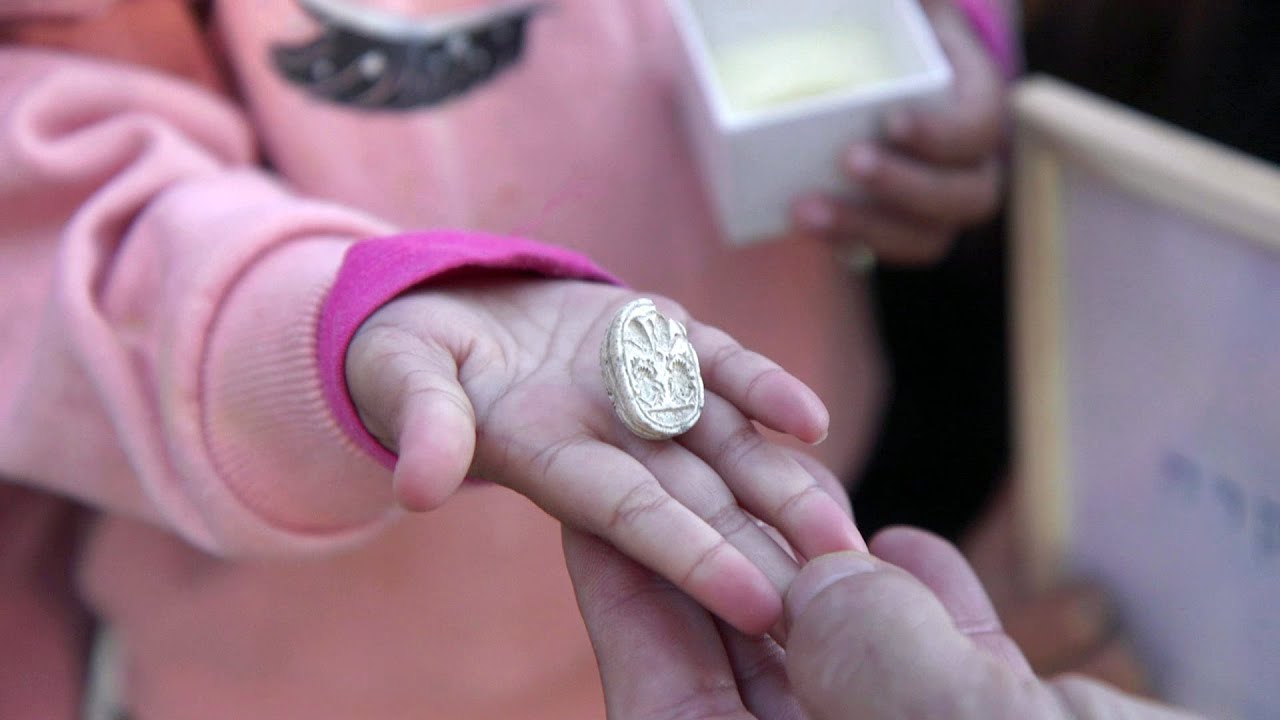
3-Year-Old Discovers 3,800-Year-Old Egyptian Amulet Near Site of Biblical David and Goliath Battle

-
Billion-dollar investment turns red mud into gold, aiming to repurpose 180 million tons of waste annually and potentially transform a major global industry.
-
From Shoeshine Boy to Billionaire: How a Brazilian Entrepreneur Built a Soy Empire Generating Over $1 Billion Annually



Serra da Bicha is located in Serro and gathers knowledge passed down through generations
Serra da Bicha is located in the rural area of Serro, in Minas Gerais. The earth construction workshops combine practices learned within the community and materials that can extend the lifespan of the houses.
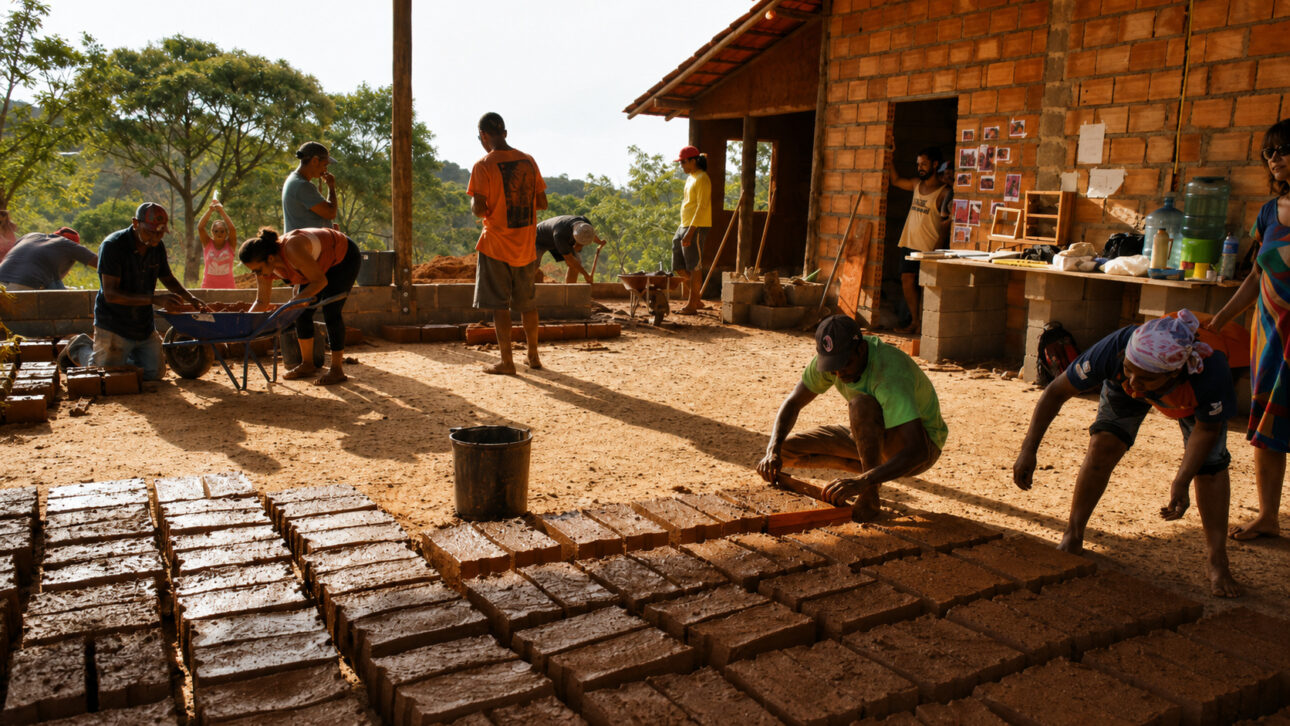
Since 2022, architect Marcela Bergamini has participated in workshops that bring traditional techniques and new care in construction closer together. The work involves residents who were already familiar with earth as a building material and others who have started to learn from them.
Júlia is one of these residents. She built her own home and became an important part of the workshops, showing that the community’s knowledge has practical value for building and maintaining the walls.
“I am like a little bird in this community. Here, we all are,” said Júlia when talking about the knowledge shared among the residents.
Adobe, wattle and daub, and bamboo help to build collective use spaces
Adobe is a block made with molded earth left to dry. Wattle and daub uses a structure filled with mud, while bamboo can be part of the support and finishing of construction parts.
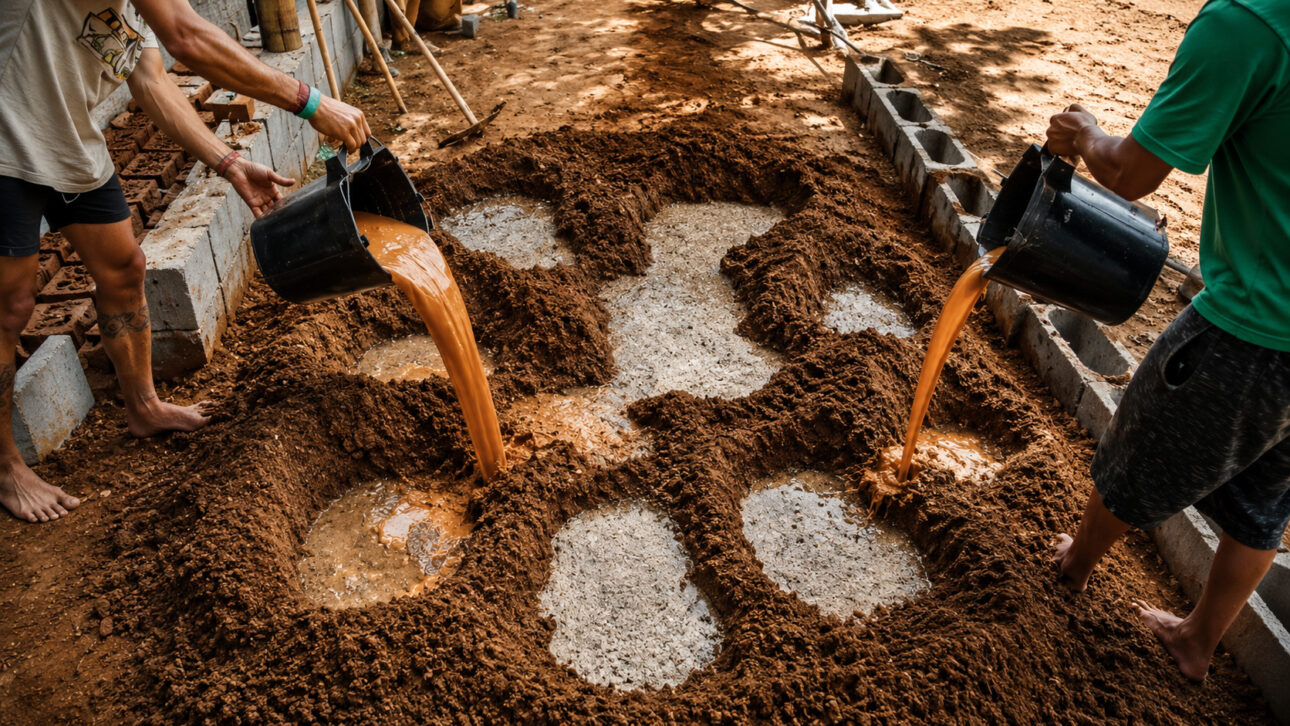
These techniques appear in workshops linked to the Serra da Bicha community center. The idea involves not just building walls, but creating a place that supports education, artisanal production, food preparation, and seed storage.
The school for youth and adult education was included in the space planning. The industrial kitchen, the seed house, and the craft store expand work and organization possibilities within the community.
The room for visitors is also part of the proposal. The community center was designed as a place of meeting, learning, and support for residents of the region.
Earth house can be cooler in the heat, but cannot hide the lack of choices
Earth houses help regulate temperature and humidity in the internal environment. Residents of Serra da Bicha report that mud walls make rooms cooler in summer and cozier in winter.
This comfort depends on well-done construction. Type of soil, wall thickness, water protection, and roof quality influence the result inside the house.
Building with earth should also not be treated as a simple fashion or decoration. For many rural families, using mud to build was a necessity due to lack of resources and alternatives to erect a dwelling.
Julia’s story shows the value of this knowledge without turning difficulties into decoration. Earth can offer comfort but requires work, planning, and respect for each family’s reality.
Soil, drying, and water protection prevent cracks in the walls
Earth does not have the same composition as cement. Each type of soil reacts differently, so it is necessary to conduct tests before deciding how the wall will be built.
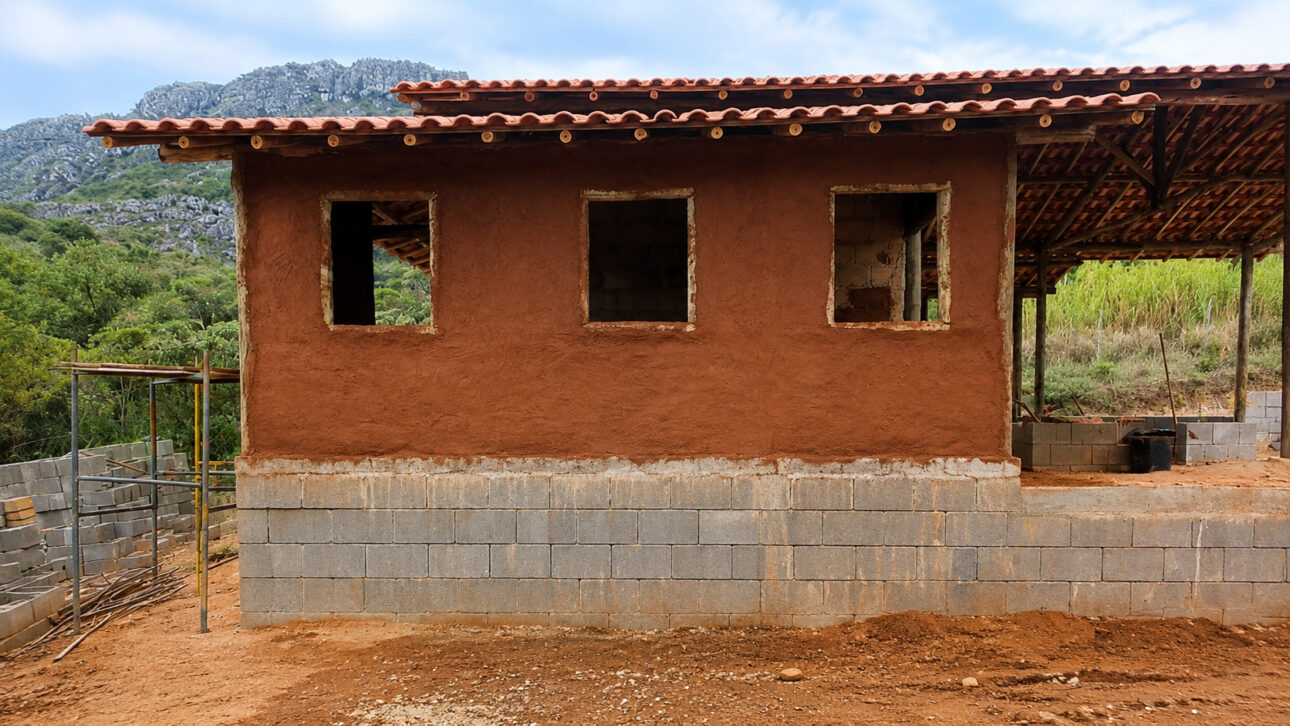
When clay dries too quickly, it can shrink and form cracks. Earth blocks also need protection against moisture, as water can compromise the strength of the construction.
Self-construction happens when the resident themselves participates in the building of the house. This practice can strengthen the family’s autonomy but requires guidance from experienced people to avoid problems with the foundation, roof, and walls.
Qualified assistance makes a difference because it helps choose the materials and the safest technique for each terrain. It’s not enough to use earth; you need to understand how to care for it.
Community center was in the second stage in April 2024
The community center of Serra da Bicha was still under construction in the record published on April 16, 2024. The first stage included foundation, structure, and roof.
CAU/MG, the professional council of architecture and urbanism of Minas Gerais, recorded that the training workshops are part of the Canteiro Escola da Serra da Bicha. The project entered the second stage with the proposal to expand the spaces designed for the community.
The situation recorded at that time did not present the center as a completed work. The school, industrial kitchen, seed house, craft store, and guest room were part of the site’s planning.
Attention to this detail is important. A community construction needs to be understood by its real stage, without treating an ongoing work as a space ready for use.
Workshops value residents and help better care for earth houses
The workshops strengthen those who are already familiar with adobe, bamboo, and wattle and daub techniques. Júlia represents this exchange between residents who master traditional practices and professionals who bring new care to the construction.
The learning can help increase the durability of earth houses. Current techniques and materials are incorporated into the process to improve wall protection without erasing the knowledge built by families over time.
The earth house in Minas Gerais ceases to be just a dwelling when it becomes a starting point for school, seeds, crafts, and new forms of collective work. The greatest value lies in the practical use that the community gives to this knowledge.
Júlia’s journey reinforces that building with earth is not improvising. It is learning to choose the soil, prepare the material, protect the wall from water, and keep alive a knowledge that helps residents to continue in their own territory.
Do you believe that traditional knowledge, combined with technical guidance, can help communities build safer houses and collective spaces? Share your opinion in the comments and share this story.