Portuguese
  Spanish


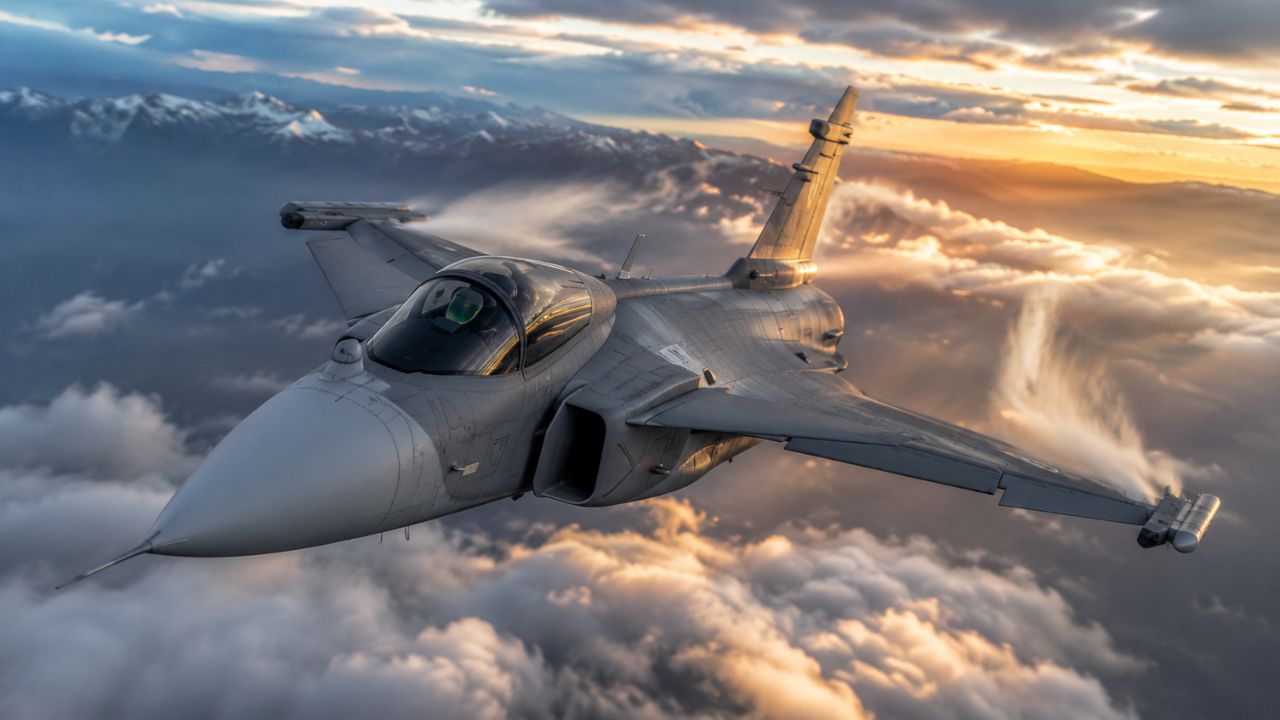

Gripen E combines sensors, artificial intelligence, armaments, and electronic warfare to enhance the fighter’s efficiency in combat.
The Gripen E was developed as a combat platform aimed at increasingly complex military scenarios. Designed for air forces that need to protect large areas or face advanced threats, the fighter incorporates artificial intelligence features, modern detection systems, integrated electronic warfare, and the capability to execute different types of missions. Additionally, its architecture was conceived to receive constant updates, allowing quick adaptation to new operational requirements.
More than a conventional combat aircraft, the Gripen E was planned to operate in highly contested environments, where response speed, real-time information exchange, and survivability are decisive factors. According to SAAB, the program’s proposal is to combine onboard technology, data integration, and operational flexibility in a single platform.
What differentiates the Gripen E from other fighter models?
One of the main characteristics of the aircraft is the way it processes and distributes information during a mission.
-
Son of Poor Farmers Fled Home Four Times Seeking Work, Founded Hyundai, and Transformed It into a Global Industrial Giant in Over 190 Countries

-
13-Year-Old Raises Funds to Build Well, Transforming Lives in Cambodian Community Lacking Clean Water

-
Man with Metal Detector Finds Medieval Silver Seal in England, Uncovers 2,000-Year-Old Roman Gem with ‘Richard’s Secret’

-
Thailand Converts 8 Tons of PET Bottles into 3,500 School Backpacks, Showcasing Circular Economy with Over 40 Factories Involved





The project brings together sensors, communication systems, and analysis resources capable of working in an integrated manner. Instead of relying solely on the data collected by the aircraft itself, the system can share and receive information from other means available in the operations area.
This capability allows important decisions to be made more quickly. As a result, the crew gains a broader view of the scenario before acting.
The combination of networked sensors aims to ensure that the air unit identifies critical situations in advance and increases its chances of success during the mission.
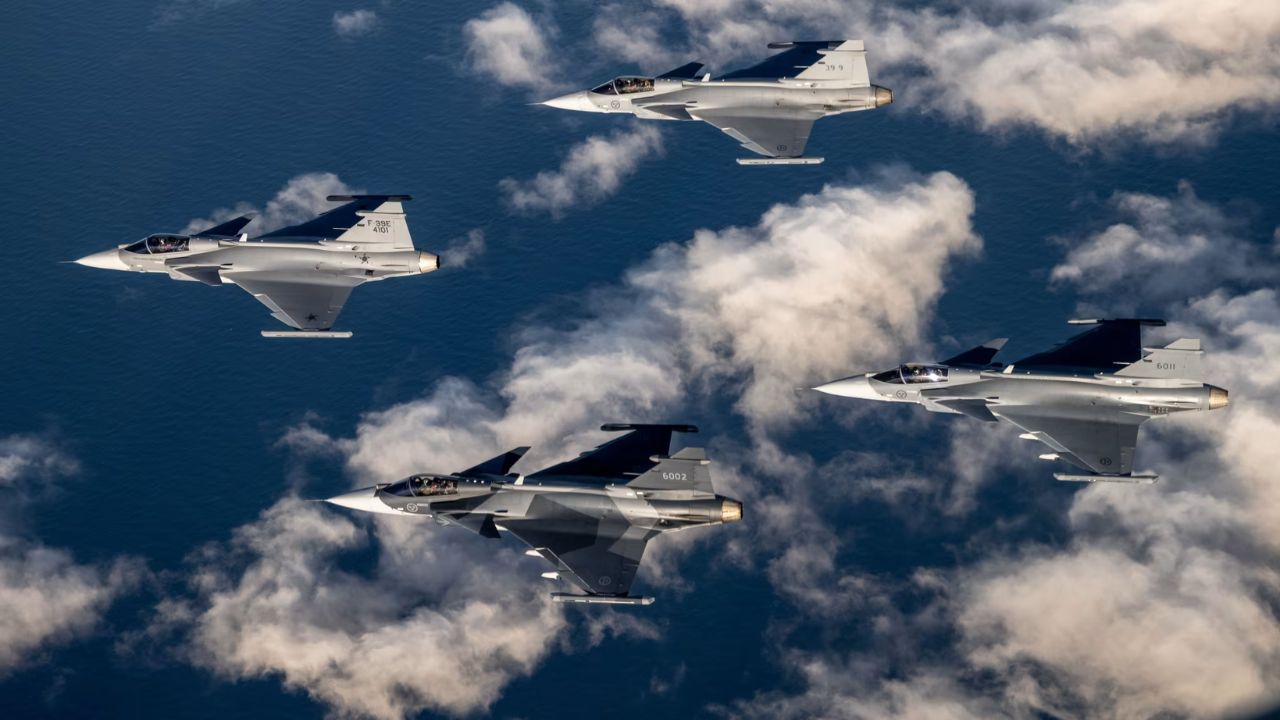
Another central aspect of the project is the interaction between the aircraft’s digital resources and the pilot. The manufacturer describes this concept as a collaboration between human and machine, where intelligent systems assist in interpreting the available information during the flight.
The cockpit was developed to facilitate decision-making in complex operations. Among the incorporated features is the Wide Area Display (WAD), a large screen intended for presenting essential mission data.
The proposal is to reduce the pilot’s workload and make the management of real-time information more intuitive. Additionally, the onboard artificial intelligence acts as a support tool, helping to organize data and contributing to faster responses in different operational situations.
Sensors enhance situational awareness
In modern military operations, understanding the surrounding environment can be as important as possessing advanced weaponry.
For this reason, the Gripen E was equipped with a set of sensors capable of collecting information across different domains. This data is processed and shared quickly, creating a more complete picture of the operational scenario.
The integration of information from the aircraft itself and other available sources on the battlefield allows for increased situational awareness, a concept that involves the precise understanding of what is happening around the deployed force.
This capability is considered fundamental in contested environments, where small time differences can directly influence the outcome of a mission.
Among the onboard systems, electronic warfare plays a prominent role. The fighter was equipped with resources intended both for protection and interference with the adversary’s capabilities.
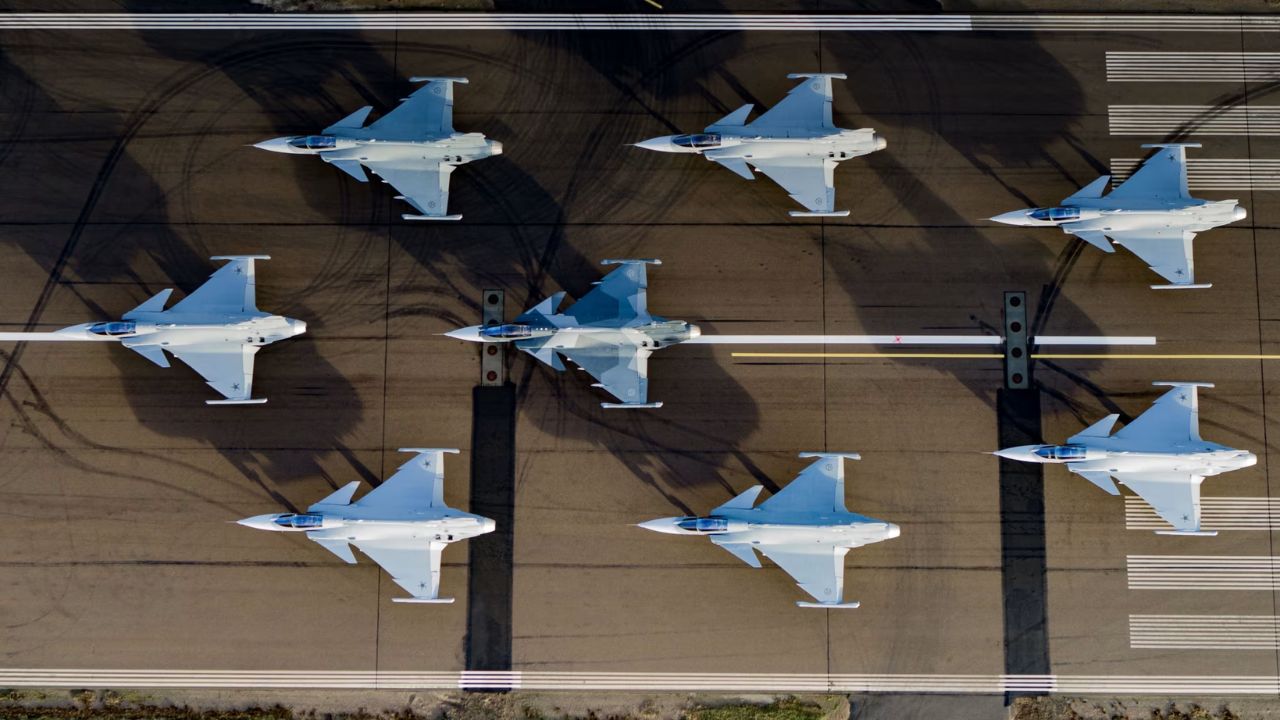
The system combines defensive and offensive measures to reduce the effectiveness of enemy actions and increase the aircraft’s survivability.
Among its functions are:
- Real-time signal analysis;
- Countermeasure management;
- Electronic information gathering;
- Interference with adversary systems;
- Support for the aircraft’s own protection.
The proposal is to make it difficult for the opponent to detect and act, creating operational advantages during combat.
Gripen E Armament Capacity
Operational versatility is another highlighted element in the project. The Gripen E has ten hardpoints for armaments and complementary equipment, allowing different configurations according to mission objectives.
The aircraft can operate in:
- Air-to-air;
- Air-to-ground;
- Reconnaissance.
For air superiority missions, the model can carry up to seven long-range Meteor missiles and two short-range IRIS-T missiles.
The combination of offensive armaments and defensive resources was designed to allow the identification, tracking, and engagement of targets in different scenarios.
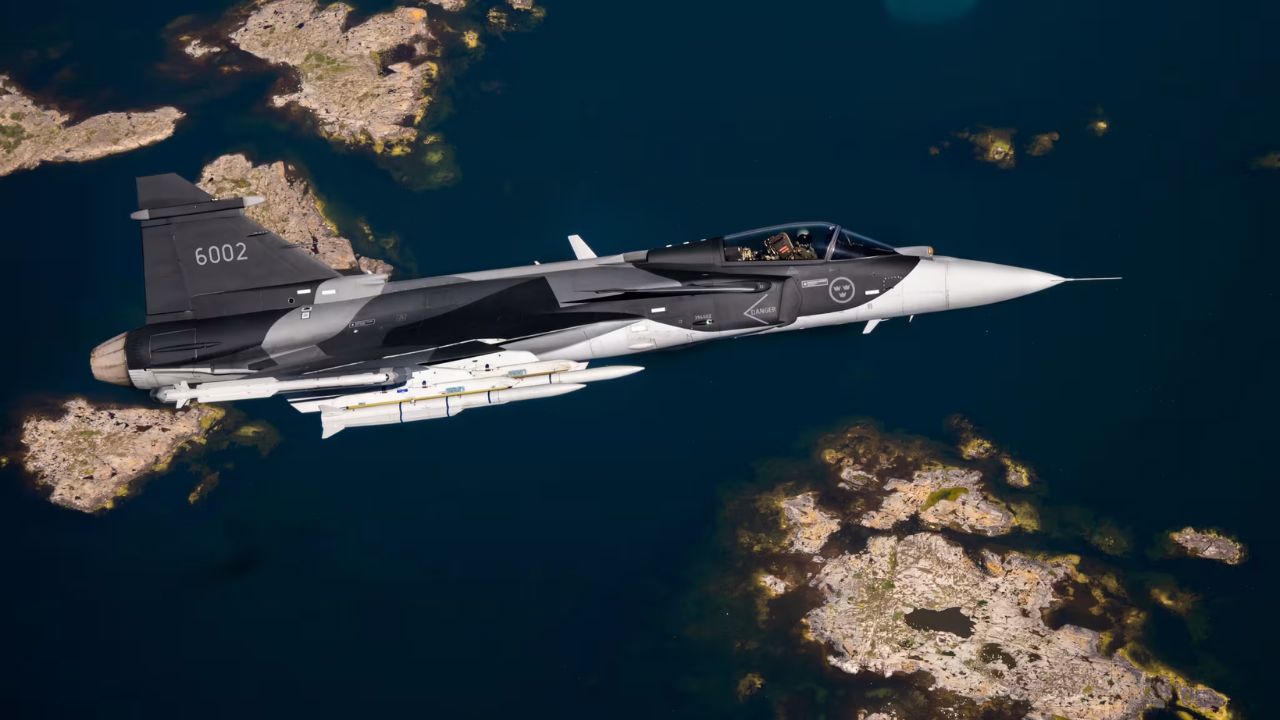
While many aeronautical programs rely on long modernization cycles, the Gripen E was designed to receive continuous upgrades.
The project separates the systems responsible for critical flight functions from the programs related to the aircraft’s operational capabilities. In practice, this allows for the incorporation of new resources without the need for major reconfiguration processes.
According to the proposal presented by the manufacturer, software updates can be carried out in a matter of hours. This feature aims to ensure that the platform keeps up with technological advancements and responds quickly to the emergence of new threats.


Operation in Different Environments
Operational flexibility was also considered during the development of the aircraft. The model was designed to operate in varied weather conditions and can operate from road bases, dispersed runways, and locations with reduced infrastructure.
Another highlighted aspect is the speed in preparation for new missions. The refueling and rearming process for air-to-air operations can be completed in approximately 15 minutes, using a reduced ground support team.
This feature aims to increase the availability of the aircraft and reduce the time needed between missions.
In addition to its individual capabilities, the fighter was also planned to operate in conjunction with other forces. Communication systems and data links allow information sharing with air, land, and naval units.
The ease of integrating weapons and equipment further expands the possibilities for cooperation during joint operations. This interoperability contributes to coordinated action among different platforms and participating forces.
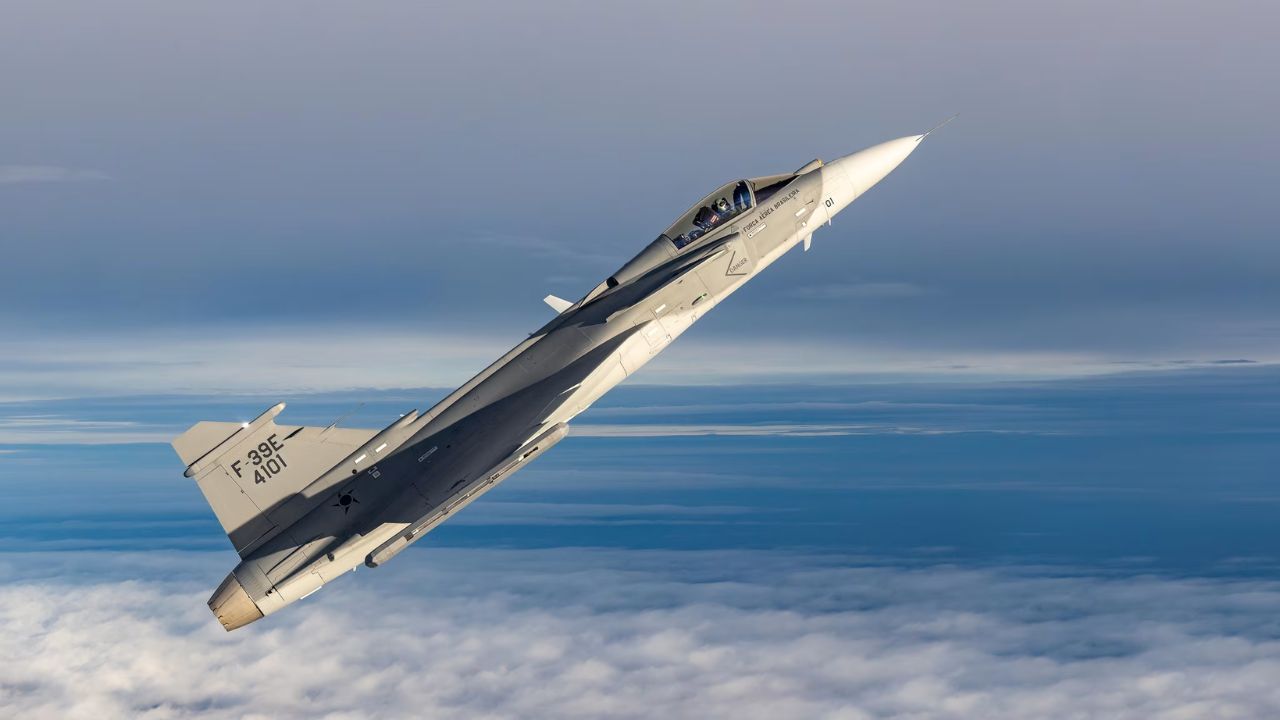
Gripen E Specifications
Among the main data released about the aircraft are:
- Number of seats: 1;
- Length: 15.2 meters;
- Wingspan: 8.6 meters;
- Maximum takeoff weight: 16,500 kg;
- Maximum thrust: 98 kN;
- Attachment points: 10;
- Preparation time for new mission: between 15 and 25 minutes;
- Aerial refueling capability: yes;
- Mauser BK27 mm cannon: yes.
Currently, the orders reported for the E Series are distributed among four countries: Sweden, with 60 aircraft; Brazil, with 36; Colombia, with 17; and Thailand, with 4 units.
Combining integrated sensors, electronic warfare features, constant updates, and extensive weaponry capacity, the Gripen E was designed to meet the demands of an ever-changing operational environment, where technological adaptation and response speed have become increasingly relevant factors.
Source: saab