






 Portuguese
  Spanish
  3 min of reading
  1 comment


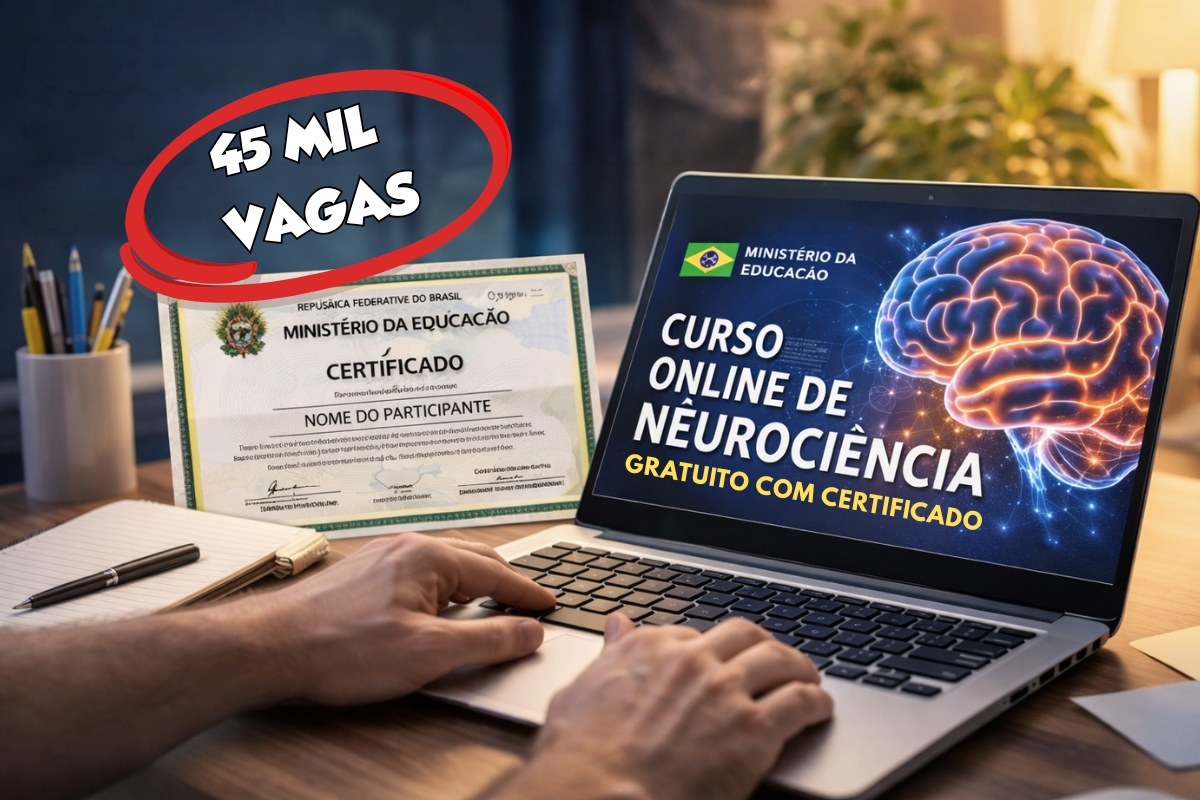


Learn Neuroscience From The Comfort Of Home And Certified By The MEC! Ministry Of Education Released 45,000 Spots In A Fully Online And Free Course For Those Who Love The Human Mind!
The Ministry Of Education (MEC) has just announced a new opportunity for teachers across Brazil. 45,000 additional spots have been opened for the free Neuroscience Training Course. Fully online, the course has a workload of 200 hours, ensuring comprehensive training for educators looking to improve their teaching practices.
With the success of previous classes, demand for this course is high, and spots may fill up quickly. Enrollment is already open and is done simply and directly, without the need for a selection process.
Neuroeducation is a field that combines neuroscience, psychology, and education to understand how the brain learns. With this knowledge, teachers can transform their practices in the classroom by applying innovative strategies tailored to the needs of each age group.
-
The state of Paraná offers 3,500 free technical course slots in 2026 and begins a new phase of professional training with enrollment open until June 30, strengthening workforce development in sectors that drive the regional economy.

-
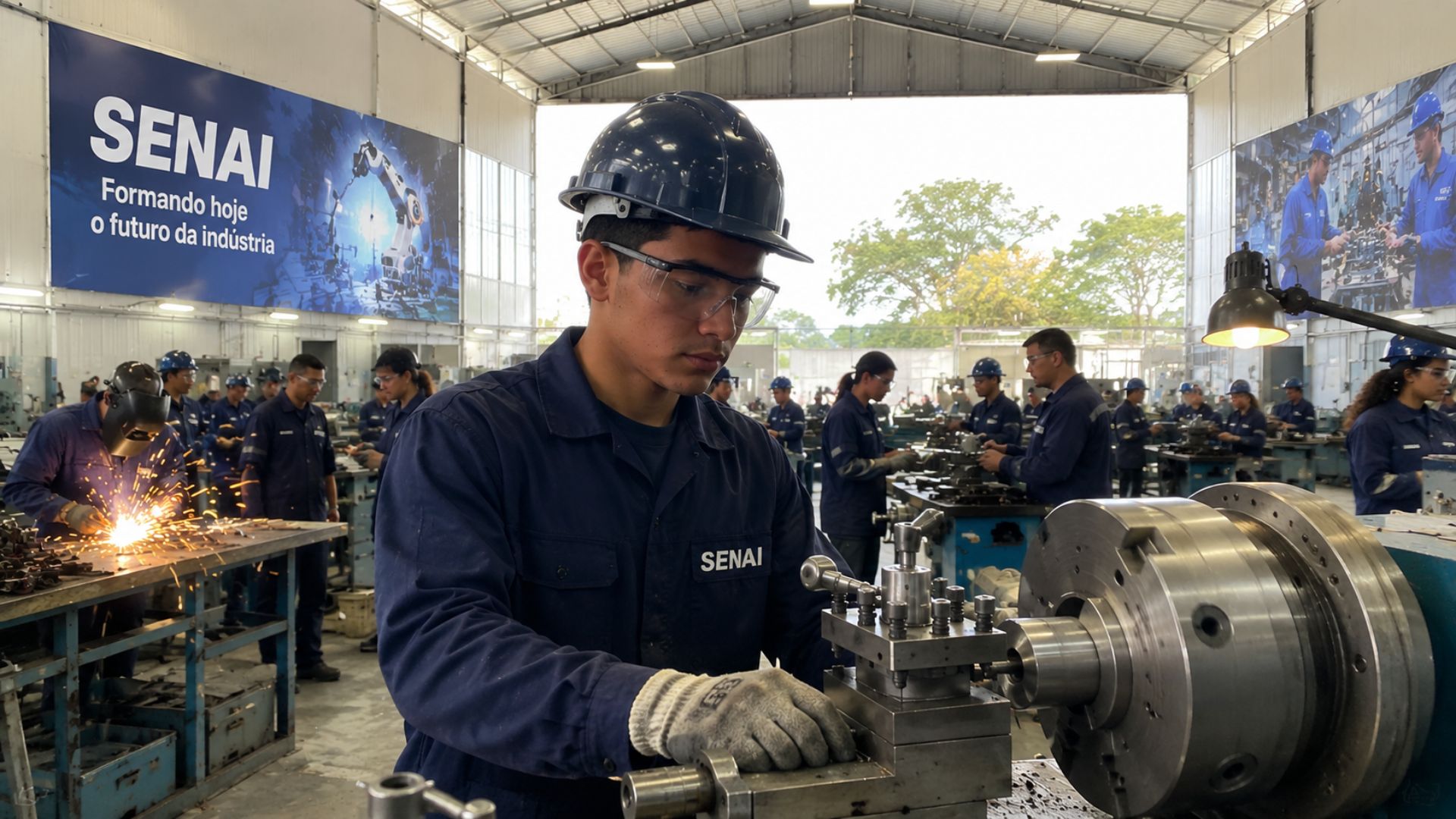
Foresea completes Offshore Development Program with 34 trainees hired, partnership with Firjan SENAI, and technical training for offshore drilling.

-
Free regenerative agriculture course open for registration until July 3, promising to prepare producers in Minas to reduce costs, restore soil, and tackle drought.

-
Federal Institute offers a new opportunity for free qualification for those who have completed high school: there are 30 open spots in free technical courses in Quality and Occupational Safety at IFSULDEMINAS.


The course offered by MEC is structured to cater to educators at all levels of education, from Early Childhood Education to Youth and Adult Education (EJA), allowing the knowledge gained to be widely applied in different educational contexts.
The Structure Of The Course Is Organized Into Five Main Modules, Each Focused On A Specific Segment Of Education. They Are:
- Introduction To The Study Of Neuroscience Applied To Education
- Neuroscience And Early Childhood Education
- Neuroscience And Elementary Education
- Neuroscience And High School Education
- Neuroscience And Youth And Adult Education Additionally, There Is An Evaluative Module, Totaling 200 Hours Of Training.
Who Can Enroll In The MEC Neuroscience Course?
The course is aimed at all teachers working in public or private education. There are no specific academic prerequisites, making this training accessible for educators from different fields and with varying levels of experience.
The only requirement is that the interested party has a desire to learn and apply the concepts of Neuroeducation in their school environment, helping to promote a quality education.
How Will The Selection Process Work?
Unlike other courses, MEC will not conduct a selection process for this course. The spots will be filled on a first-come, first-served basis, meaning that the sooner the interested party completes their enrollment, the greater their chances of securing a spot.
Enrollment is quick and can be done entirely through the AVAMEC platform, from the Ministry of Education itself, where candidates only need to fill in their details and confirm the enrollment for the desired course.
When Do Classes Start?
The classes for the Neuroeducation course are conducted online, making it easier for educators from across the country to participate.
The flexibility of the schedule allows teachers to adapt their studies to their routine. After enrollment, students will be able to access course materials and start their activities.
The course is expected to be completed by the end of the year, allowing teachers to apply the knowledge acquired in the next school year.
How To Enroll In The MEC Neuroscience Course?
Enrollment Is Now Open And Can Be Done Directly On The AVAMEC Website. There Is No Limit On The Number Of Enrollments Per Participant, Allowing Educators To Enroll In Other Available Courses On The Platform If They Wish To Further Their Knowledge.




Antônio José da Conceição