Portuguese
  Spanish


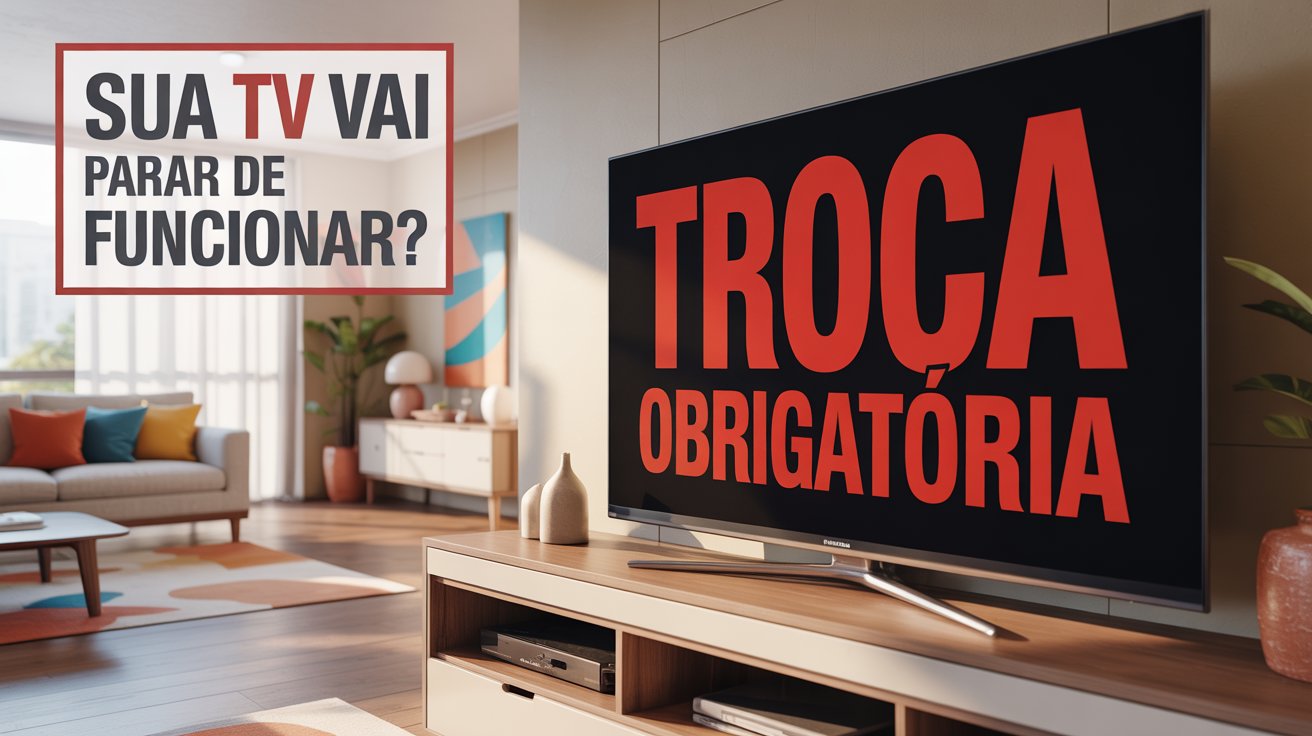

New Open TV Technology Will Require Changes in Devices and May Render Even Recent Models Obsolete. Consumers Will Have to Adapt Their Devices or Invest in New Ones to Access All the Features of TV 3.0.
The technological advancement in television transmission in Brazil is expected to cause a significant change in the consumption of electronic devices.
A new decree, about to be officially announced by the federal government, aims to implement the so-called TV 3.0 in the country.
The measure, according to information from the Metrópoles portal, while promising to transform the viewer’s experience, will require the majority of Brazilians to replace their current televisions or acquire converters to access the new features.
-
Eco Invest Auction Aims to Unlock $10 Billion in Investments, Focusing on Green Fertilizers, Critical Minerals, Batteries, and AI for Clean Industry in Brazil

-
Half of Brazilians Prefer Lower Taxes with Private Health and Education, While 44% Opt for Higher Taxes for State-Provided Services, Datafolha Survey Reveals

-
Brazil’s Most Expensive Toll Rises to R$ 40.60 on Route from São Paulo to the Coast, Nearly Matching Bus Fare to Santos

-
As Brazil Expands Social Welfare, Survey Reveals 40% Blame Poverty on Laziness, While 58% Cite Lack of Opportunities





The new generation of open TV, known as TV 3.0, goes beyond high definition and the limited interactivity currently offered.
This technology proposes total integration between conventional programming and digital services, allowing users to watch channels through mobile apps, as well as browse on-demand content directly on their television.
However, most Smart TVs currently available on the market will not be compatible with the new standard, making the purchase of new equipment or a specific adapter necessary.
Even the devices considered more modern could become obsolete in light of the technical demands of the new transmission.
According to forecasts, TV 3.0 will require connectivity and processing resources that are not present in most of the models currently available.
Although the system is still in the testing phase, the expectation is that the first adapters will hit the market in the coming months, with an estimated price of R$ 400.

Converters for TV 3.0 Will Be Essential in the Transition
The electronics industry still does not have televisions with support for TV 3.0, reinforcing the need for converters.
These devices, developed specifically to adapt the technology to current equipment, will be essential for consumers to access the new way of watching open TV.
The decree establishing the adoption of TV 3.0 was sent by the Ministry of Communications to the Civil House in December of the previous year.
The forecast is that it will be officially edited during the second half of the year, establishing guidelines for the transition and for the manufacturing of new devices compatible with the system.
During this transition period, estimated at up to ten years, consumers will still be able to watch conventional programming, without immediate need for an upgrade.
However, those who want to enjoy the benefits of the new technology — such as superior image quality, interactivity, and personalization — will have to adapt to the new requirements.
New Features of TV 3.0 With a Focus on Interactivity
With the arrival of TV 3.0, the television experience will gain functionalities previously restricted to streaming platforms.
The technology will allow users to interact with content in real time and receive personalized programming suggestions based on their browsing history and preferences.
Additionally, broadcasters will be able to offer on-demand catalogs, including series, programs, and sports events.
Companies like Globo, SBT, and Band will be required to use the new system to sell products directly during their shows.
For example, it will be possible to purchase, in real time, clothing or items shown in soap operas and talk shows.
Advertising will also undergo a revolution.
With viewer behavior data, advertisements can be targeted in a personalized manner, representing a new business model for broadcasters and greater effectiveness for advertisers.
Government Evaluates Measures to Broaden Access
To prevent part of the population from being excluded from the new technology, the federal government is analyzing public policies to support digital inclusion.
Among the alternatives being evaluated is the free distribution of adapters for low-income families registered in the Cadastro Único, a program that collects data on beneficiaries of social programs.
Another possibility under study involves the creation of financing lines so that the industry can accelerate the large-scale production of converters, reducing costs and broadening access to technology.
These measures, however, have not yet been officially detailed and depend on budget approval and regulation.
The implementation of TV 3.0 represents a milestone in the evolution of broadcasting in Brazil but brings significant challenges.
While the industry mobilizes to meet new demands, consumers are already preparing for inevitable changes in their consumption habits.
In light of this impending government measure, it remains to be seen: are Brazilians ready — and willing — to invest in new devices to follow this revolution in open TV?