Portuguese
  Spanish


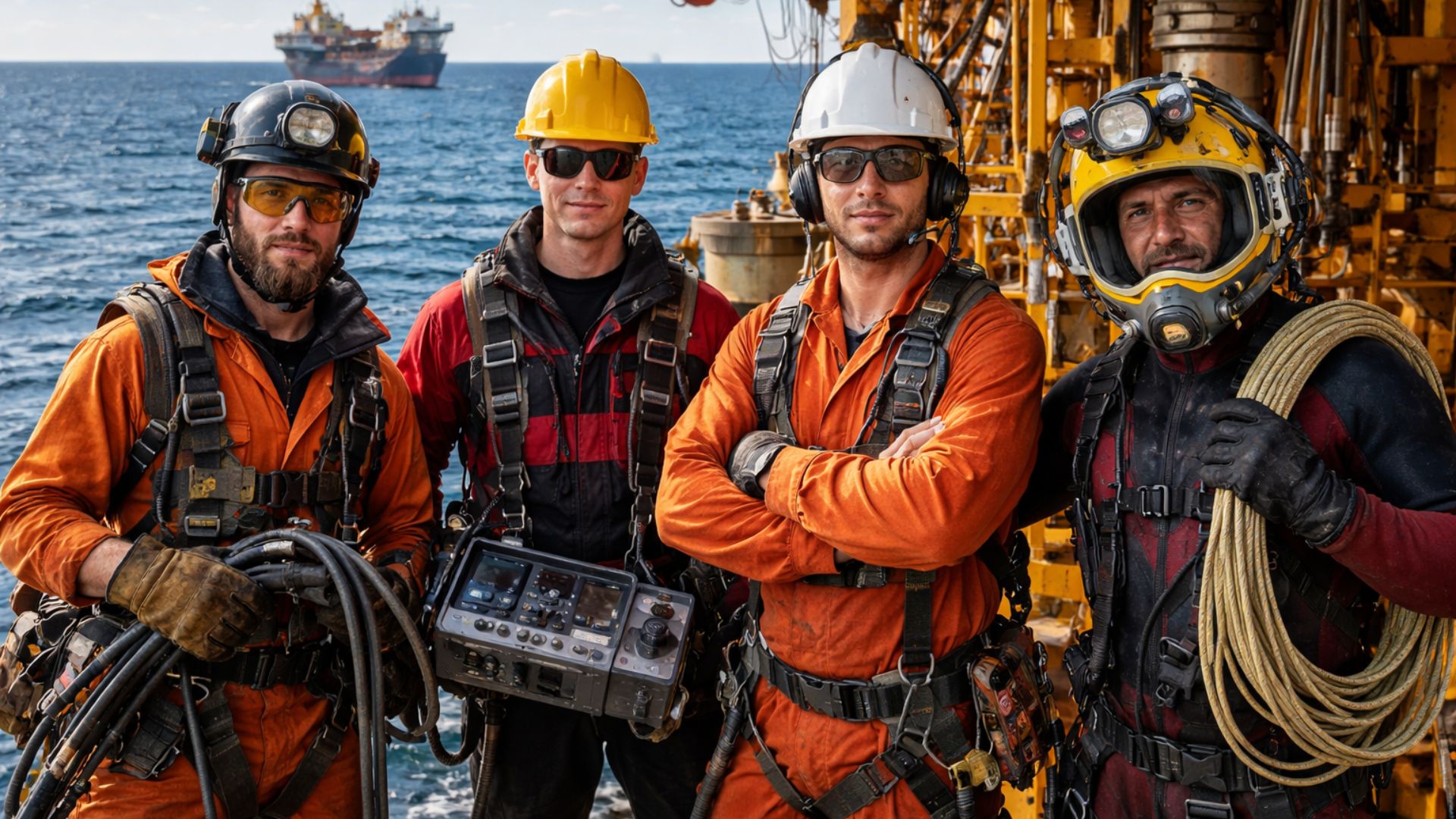


Offshore Technicians Take Center Stage in Deepwater Operations, With High Salaries and Strong Demand in the Brazilian Energy Sector. Understand Why Practical Experience Has Come to Weigh More Than Engineering Education.
The Brazilian Offshore Market is experiencing a moment of strong professional appreciation in 2026, where specialized offshore technicians are earning more than engineers, especially recent graduates. According to an article published by the Monitor do Mercado website on January 9, this trend is driven by a shortage of skilled labor, the operational complexity of deepwater activities, and the continuous expansion of the energy sector, which requires professionals capable of working in extreme environments with a high level of responsibility.
Offshore Market Accelerates Technical Appreciation in the Energy Sector
The main change is clear: practical experience has become more valuable than a degree in some cases. In the current offshore market, critical technical positions can command the highest salaries, surpassing traditional onshore engineering roles. This dynamic redefines the salary logic in the sector and repositions offshore technicians as central figures in Brazil’s energy operations.
The Brazilian offshore market is experiencing an operational expansion cycle that is driving demand for experienced technical professionals. Drilling platforms, production units, and support vessels operate with increasingly complex structures, requiring immediate practical mastery — something that cannot be exclusively learned in the classroom.
-
With 6 openings at Norsul and 4 at Norcoast, the trainee program pays R$ 4,000, offers health and dental plans, life insurance, and meal vouchers to train Nautical Officers in a 2-year course in Rio de Janeiro.

-
A 24,200-ton oil platform is removed from the North Sea in just 10 seconds and taken to be scrapped on land, in an operation where more than 97% of the Brent Delta structure was reused or recycled.
-
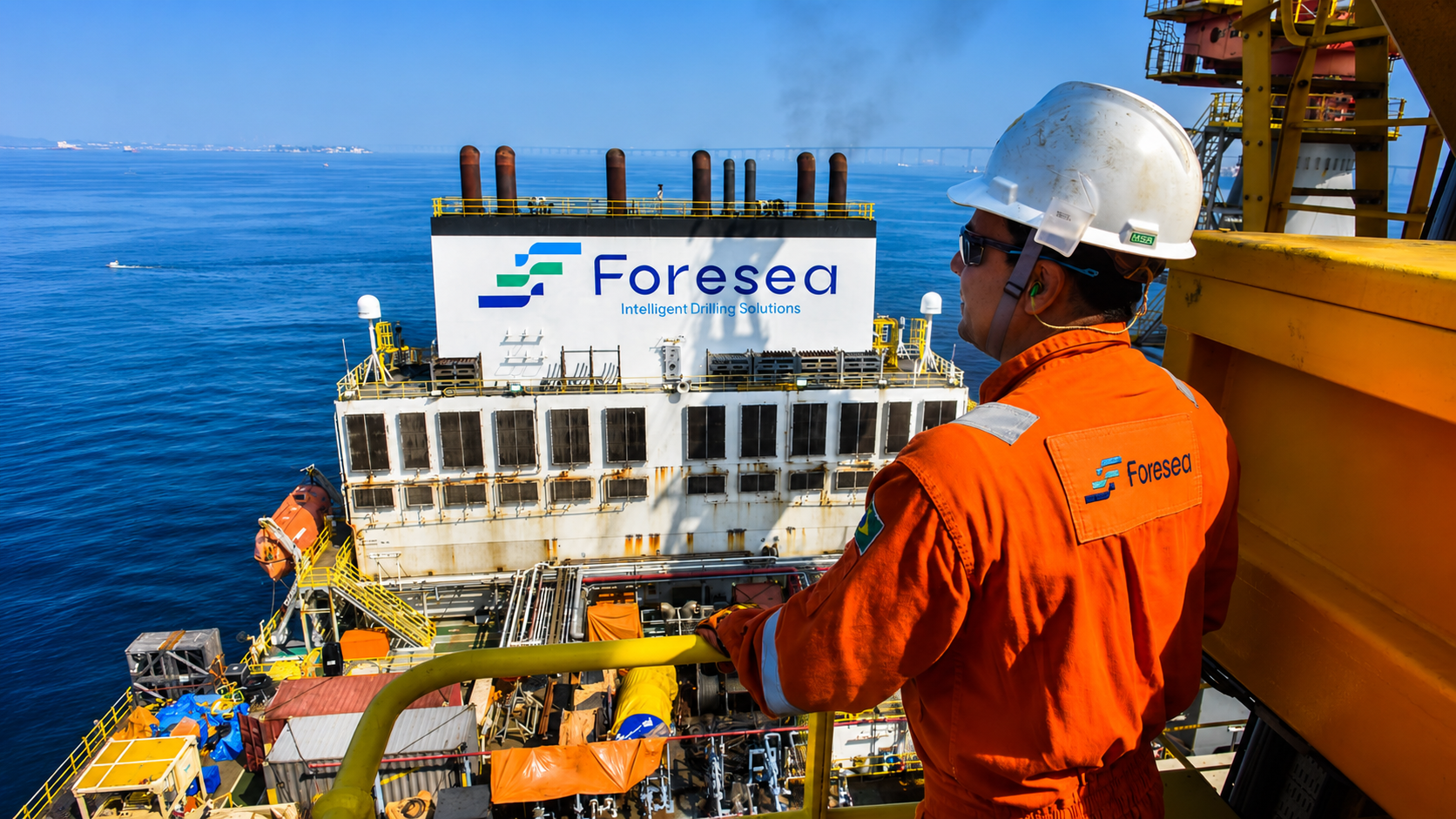
Foresea opens 43 offshore and onshore positions under CLT regime for medium, technical, and higher levels in Rio de Janeiro and Macaé.
-
Ocyan takes AI and data to the FPSO Brazil Congress 2026 to showcase how digital technologies can enhance safety, integrity, and performance in next-generation FPSOs.




As a result, companies in the energy sector have begun to offer higher salaries for strategic operational functions. This appreciation is occurring because the unavailability of a qualified technician can halt entire drilling or maintenance campaigns, leading to significant losses.
Moreover, turnover rates and the training time for these professionals reinforce the scarcity. The market rewards those who are already ready to operate, not those still in the learning process.
Offshore Technicians Earn More Than Engineers in the Current Scenario
The comparison between offshore technicians and engineers highlights a structural change in the job market. While engineering remains essential for planning and technical support, the highest salaries are concentrated in the roles that directly execute field operations.
Operational risk now weighs more than academic credentials.
In environments where any mistake can lead to environmental accidents or million-dollar financial losses, practical experience has become the most valued asset by the offshore market.
This reality particularly affects early-career engineers, who primarily work in onshore support roles, while embedded technicians accumulate additional compensation and bonuses that significantly increase their monthly earnings.
Offshore Market Highlights Rope Access Welders as a Well-Valued Role
Among the highest-paying positions in the offshore market, the Rope Access Welder stands out for the combination of rare technical skill and exposure to extreme risk. This professional performs structural welding in outdoor areas of platforms, often suspended by ropes over the sea.
International certification from IRATA is one of the main requirements for this position and severely limits the labor supply. The lower the availability of qualified professionals, the higher the salaries, reflecting the sector’s own logic.
This combination of risk, scarcity, and responsibility explains why a rope access welder can achieve monthly earnings comparable to those in administrative leadership roles.
ROV Pilot Reinforces Technological Advancement in the Offshore Market
Another example of the appreciation of offshore technicians is the Senior ROV Pilot. These professionals operate remotely controlled underwater vehicles, responsible for inspections, repairs, and interventions on the seabed.
This role replaces activities that previously required saturation diving, reducing risks and increasing operational efficiency. This technological substitution has elevated the strategic importance of the position, directly reflecting on the salaries paid.
Even without a traditional engineering degree, the ROV pilot masters complex robotic systems and operates in critical activities for the offshore market, potentially surpassing many engineers in remuneration.
Driller Exemplifies the Maximum Appreciation of Offshore Technicians
The Driller, also known as Driller, is one of the most emblematic positions in this transformation. He acts as the primary operational authority of the drilling rig, controlling high-value equipment and directly responsible for the safety and efficiency of the process.
One operational error can result in environmental accidents or million-dollar damages, which justifies salaries that frequently exceed those of engineers responsible for well design.
The path to this position is long and based exclusively on practical experience. The professional starts in basic roles and gradually advances, accumulating in-depth operational knowledge. The offshore market rewards this accumulated experience with high remuneration.
Additional Pay Increases Salaries of Offshore Technicians in the Energy Sector
Another determining factor for the high salaries of offshore technicians is the structure of additional pay provided by law and collective agreements. The hazard pay ensures an automatic increase on the base salary for activities in risk areas.
Additionally, the confinement regime, such as the 14 days onboard followed by 14 days off model, generates specific bonuses paid by the operators. Guaranteed overtime and performance bonuses in safety also raise final income. Combined, these factors can increase monthly remuneration, making the offshore market one of the most competitive in the Brazilian energy sector.
Mandatory Courses Sustain Barriers to Entry in the Offshore Market
Access to the highest-paying positions requires mandatory certifications recognized by the Brazilian Navy and international organizations. CBSP and HUET are basic prerequisites for any offshore operation.
Additional certifications, such as IRATA and IMCA, serve as decisive differentiators in hiring. These entry barriers limit the supply of professionals, sustaining the high salaries paid to offshore technicians. Mastery of technical English also accelerates hiring, especially in multinational companies operating in the energy sector with mixed crews.
What the Advancement of the Offshore Market Reveals About the Future of Work
The 2026 scenario confirms a structural change in the Brazilian offshore market. Specialized offshore technicians have come to occupy the top of the salary hierarchy, surpassing early-career engineers and redefining the value of practical experience. The energy sector continues to depend on engineering, but operational execution has become the main value-generating factor. Those who master critical operations receive the highest salaries.
This trend is likely to persist as long as there is a shortage of qualified technical labor and expansion of offshore activities in Brazil, consolidating a market where risk, responsibility, and specialization are valued more than a standalone degree.