





 Portuguese
  English
  Spanish
  4 min of reading
  0 comments


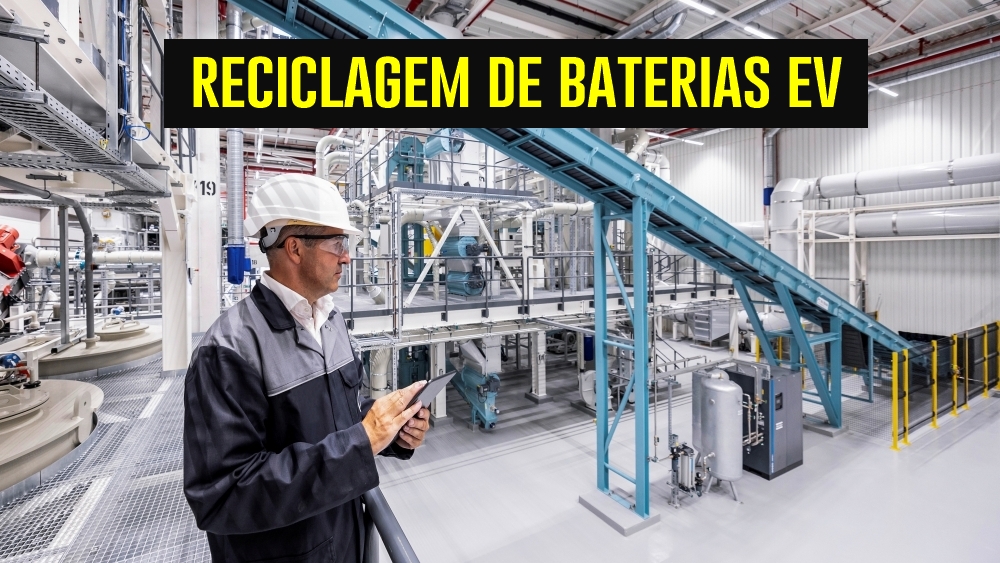
Mercedes-Benz Sets A New Standard For Sustainability By Recycling Nearly All Batteries At Its Modern Factory. See How This Advanced Technology Is Changing The Landscape Of Electric Batteries And Helping The Environment!
The batteries of electric vehicles contain precious yet difficult-to-obtain raw materials, such as lithium and nickel, which often raise concerns about their environmental impact. In a decisive step towards sustainability, Mercedes-Benz has opened a new battery recycling factory, using an innovative and integrated mechanical-hydrometallurgical recycling process.
This facility, located in Kuppenheim, in southern Germany, represents an advance in the circular economy within the automotive industry. The new plant is capable of recovering valuable raw materials, such as lithium, nickel, and cobalt, to reuse them in the manufacture of new batteries.
This reduces dependence on natural resources and, consequently, minimizes the need for new mining explorations. This innovation not only benefits the production of electric vehicles but also mitigates the environmental impact of the production cycle.
-
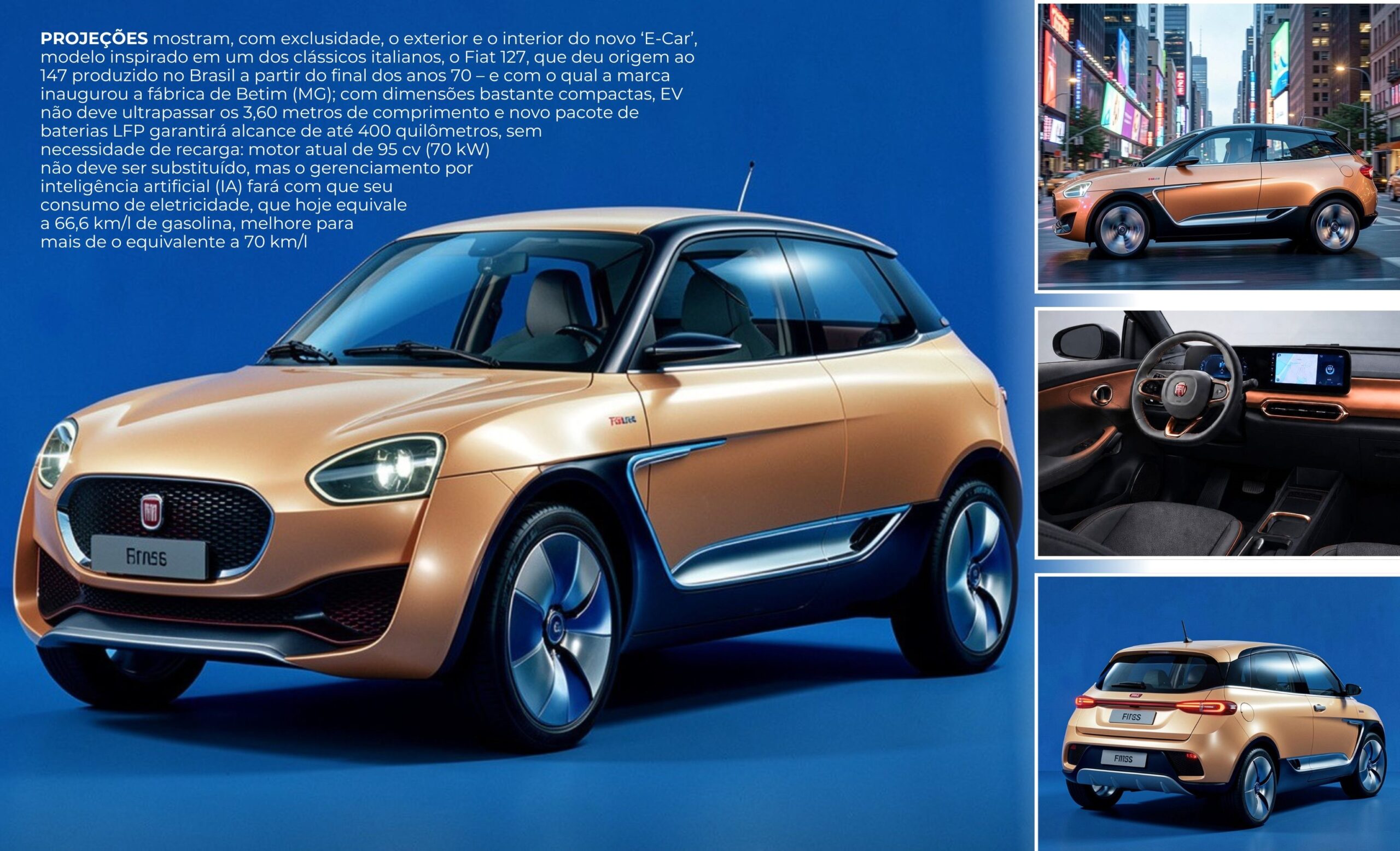
New Fiat EV, priced at R$ 77,000, will bring a reinterpretation of the 147 and a consumption equivalent to 70 km/l.

-
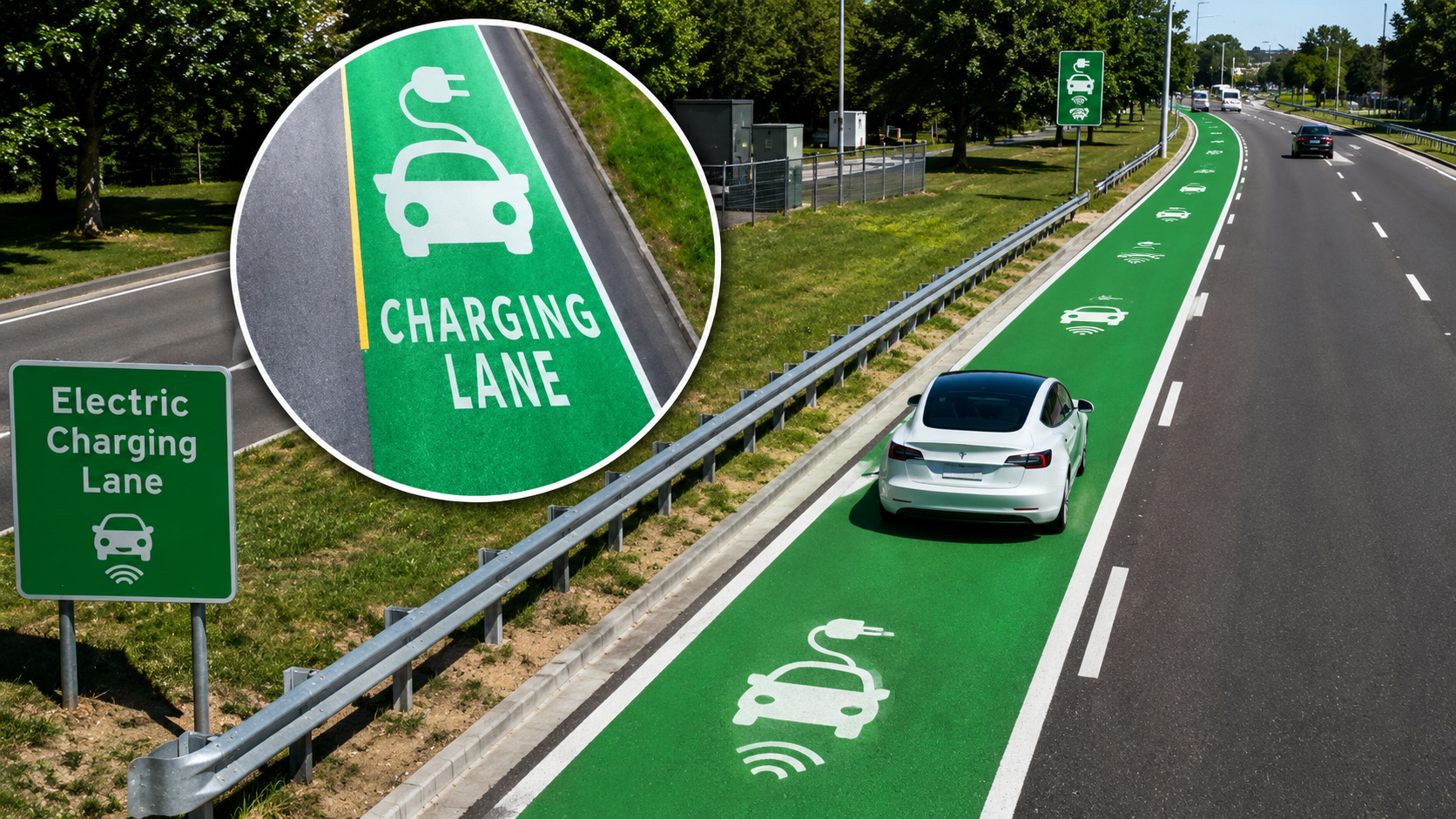
Road that charges electric vehicles through the ground is already operational in the USA and could change the future of wireless charging

-
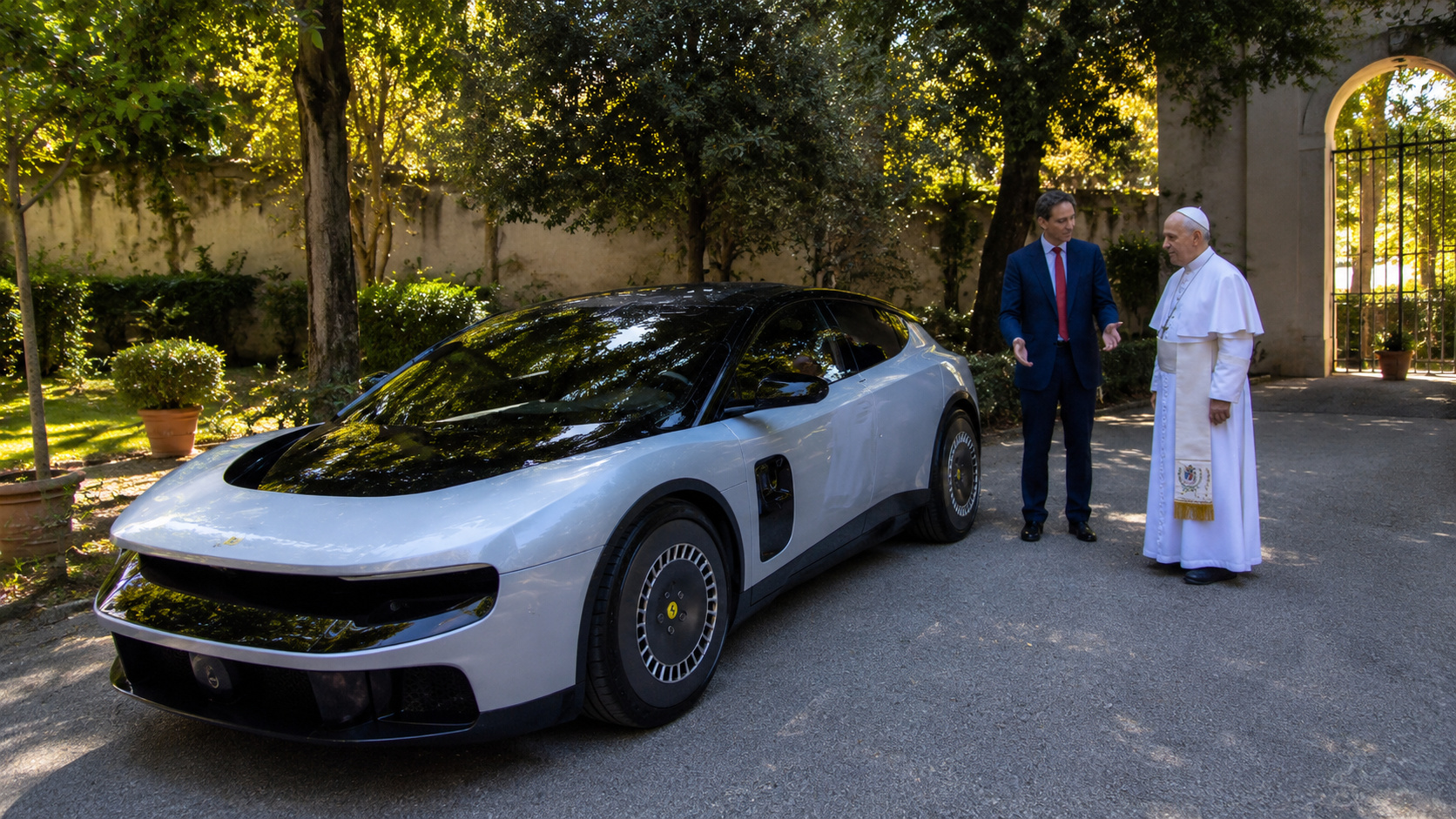
Pope Leo XIV meets Ferrari Luce, sits in the driver’s seat, takes the wheel, and sees the electric car worth R$ 3.2 million that divided opinions in the world of supercars.
-
GOODBYE TO DELAYS? BYD faces a surge in orders after launching technology that recharges electric cars in just minutes

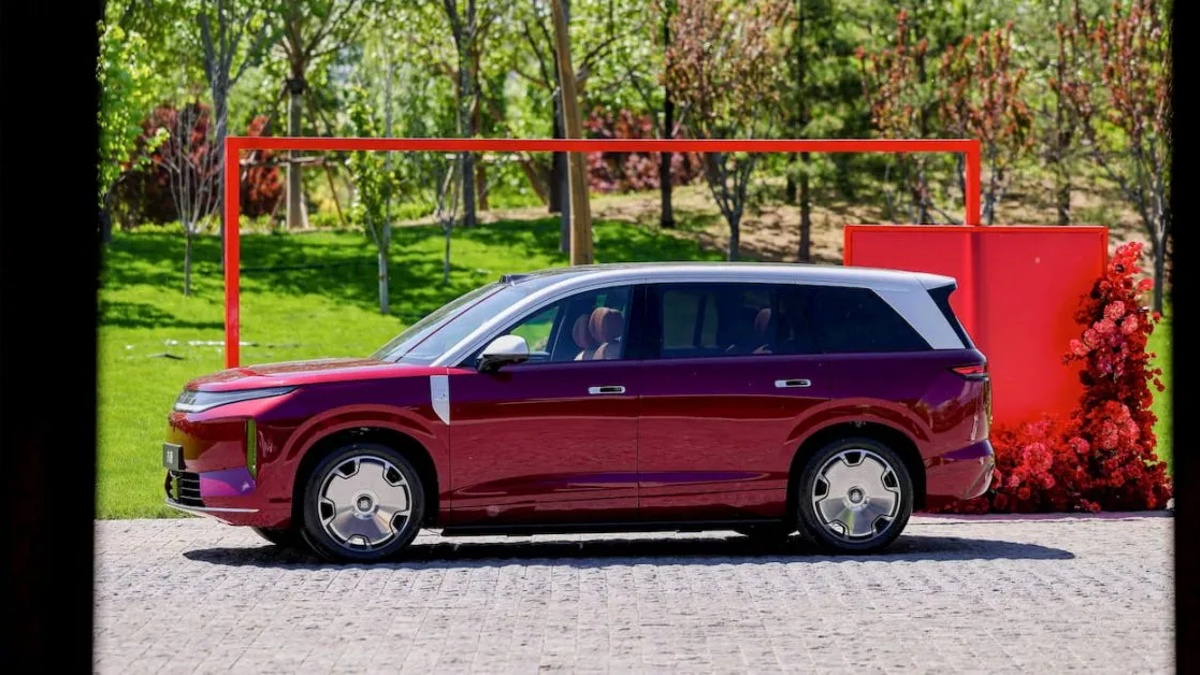
Mercedes-Benz — A Milestone In Sustainability

With a recovery rate exceeding 96%, the new Mercedes factory promises to operate more efficiently than traditional battery recycling processes.
This means that almost all materials from old batteries can be reused, contributing to the production of new battery modules. Overall, it is estimated that more than 50,000 new modules could be manufactured annually at the facility.
Additionally, Mercedes-Benz aims to strengthen its production chain within Germany, reducing dependence on other countries, especially China, and ensuring greater added value to its production process.
The factory, therefore, represents not only an environmental solution but also an economic strategy to strengthen the industrial autonomy of the country.
Efficient Recycling And Less Energy
The recycling of batteries is one of the most pressing challenges in the current transition to electric mobility.
With the significant increase of electric vehicles on the roads, the proper management of waste generated by batteries has become a global issue. However, Mercedes-Benz has found a way to tackle this problem sustainably.
The Kuppenheim plant utilizes a recycling process that, in addition to recovering essential materials, does so with energy efficiency.
Unlike conventional methods that require large amounts of energy, the hydrometallurgical process employed by Mercedes operates at lower temperatures, around 80 degrees Celsius. This drastically reduces energy and water consumption, two critical resources in the current environmental context.
In addition to key elements like lithium and cobalt, the plant is also capable of recovering copper, aluminum, iron, and even plastics. This process practically utilizes every component of the batteries, including their structures and casings.
One of the highlights of this factory is that it operates with a carbon-neutral balance, using exclusively green energy. The photovoltaic system installed on the roof of the plant has a capacity of over 350 kilowatts, making the project even more sustainable.
A Model For The Future
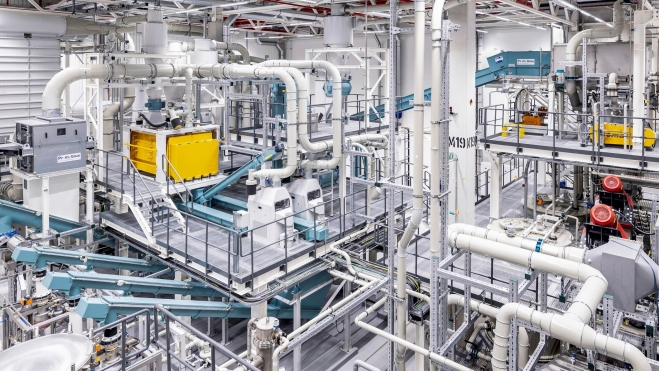
Mercedes-Benz does not view this factory merely as a temporary solution, but as a model for the future of battery recycling. The Kuppenheim plant could serve as a reference for other facilities around the world, especially with the growing demand for electric vehicles and the consequent need to properly manage the waste from these batteries.
The creation of this plant also involved collaboration with universities and technology companies, including Primobius, a joint venture between the German group SMS and the Australian Neometals. This partnership was crucial for the development of the mechanical-hydrometallurgical recycling process.
The project received financial support from the German Federal Ministry of Economics and Climate Action, demonstrating the government’s commitment to supporting initiatives that promote sustainability and innovation in the industrial sector.
Circular Economy In Practice
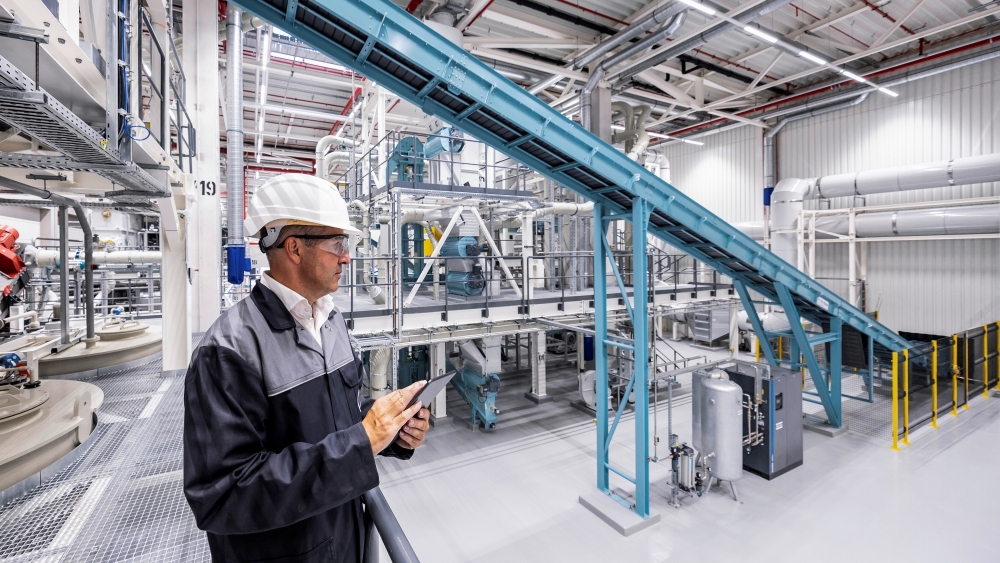
Mercedes-Benz also adopts a holistic approach by creating batteries designed for recycling, which facilitates the material recovery process at the end of their life cycle.
In addition, the brand offers refurbished batteries as replacement parts for electric vehicles and has developed large-scale storage systems for batteries that are no longer suitable for automotive use.
This cycle of reuse not only reduces environmental impact but also generates long-term economic value. Old batteries, for example, are used in energy storage systems for homes and power plants, extending their lifespan and optimizing their use in various applications.
At the Stuttgart campus, Mercedes is developing new battery technologies, where the circular economy is an integral part of the innovation process.
This effort is part of a broader strategy to ensure that the production of electric vehicles, from raw material extraction to the end of battery life, is as sustainable as possible.
The new battery recycling factory of Mercedes-Benz in Kuppenheim represents a turning point in how automakers address the environmental impact of electric vehicle batteries.
By implementing an almost total and energy-efficient recycling process, Mercedes not only leads in sustainability but also offers a model to be followed by other companies in the future.






Be the first to react!