





 Portuguese
  English
  Spanish
  3 min of reading
  0 comments


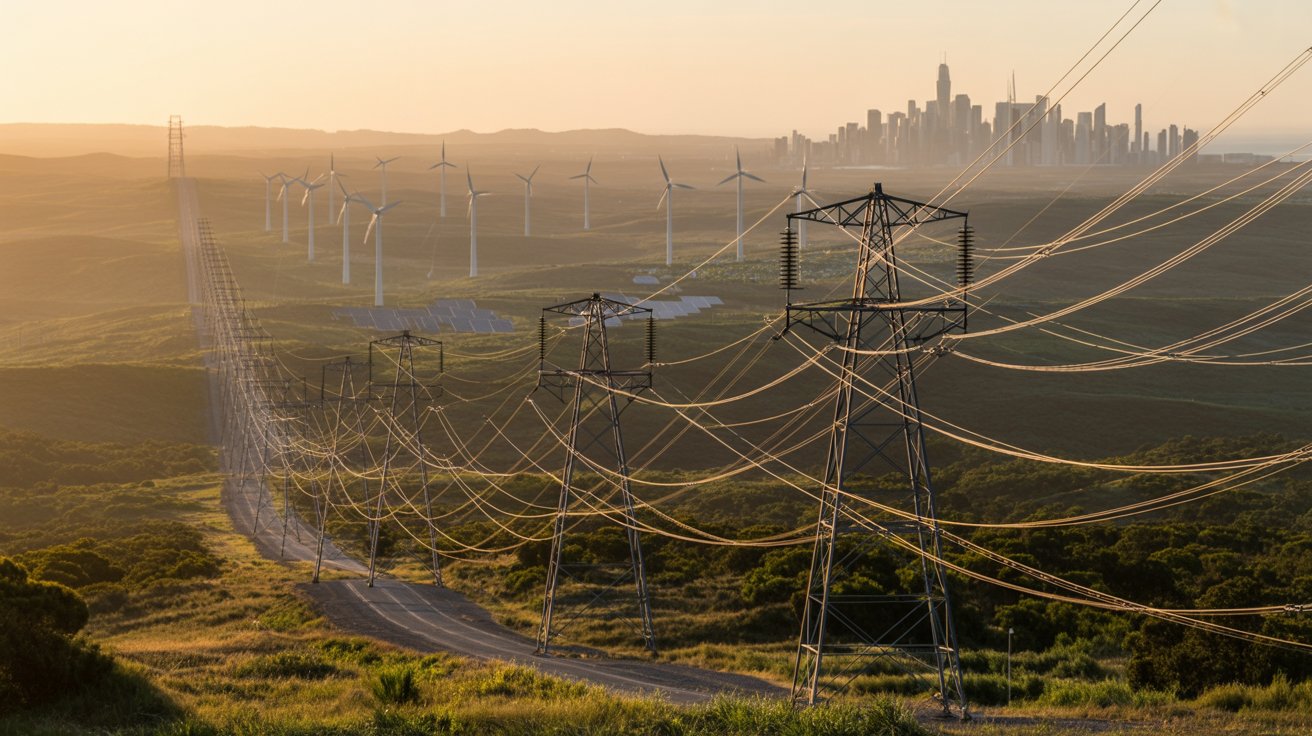
Australia Began The Construction Of An Electrical Superhighway Of Approximately 1,000 Km In Queensland, With An Investment Of US$ 1.4 Billion, As Part Of The CopperString 2032 Project, Which Aims To Replace Fossil Fuels With Clean Energy And Connect Remote Areas To The National Electricity Market.
The CopperString 2032 Project Is Considered The Largest Ongoing Electrical Infrastructure Undertaking In Northern Australia. The Proposal Led By The State-Owned Powerlink Queensland Has The Main Objective Of Enabling The Supply Of Renewable Energy For Communities And Industrial Operations That Heavily Depend On Diesel And Gas Generators.
With 840 Km Of High Voltage Transmission Lines Between The Cities Of Townsville And Mount Isa, The Energy Corridor Seeks To Eliminate Barriers To Electrical Connectivity In The Interior Of The State. The Initiative Also Enables The Integration Of The Flinders Renewable Energy Zone (REZ), One Of The Largest Clean Energy Generation Areas In Oceania.
Energy Infrastructure Reaches Isolated Regions Of Inland Australia
The Plan Provides For A Network Composed Of Connections Of 220 Kv, 330 Kv And Up To 500 Kv, With Substations Along The Route And Accommodations For Workers In Remote Areas. The Branches Will Pass Through Strategic Locations Such As Hughenden And Cloncurry, Which Have Historically Faced Difficulties In Energy Supply.
-
Lunar meteorite found in the desert bears marks of 3 impacts and reveals a colossal asteroid collision that melted part of the Moon 3.5 billion years ago, at the same time life was beginning to emerge on Earth.

-
A giant parrot that doesn’t fly, weighs up to 4 kg, and smells like honey almost disappeared from the planet, but an extreme program in New Zealand used predator-free islands, genetics, fake eggs, and a controlled diet to save the kakapo from extinction.

-
Flush system promises to save up to 50% of water in the bathroom by replacing traditional parts with a simple tilting tank, without a button, without a seal in the drain, and with an adjustment from 1 to 6 liters per use.
-
Archaeologists descend a forgotten staircase in Aswan, Egypt, and find a huge limestone sarcophagus beneath the Aga Khan necropolis, with hieroglyphs, mummies, and signs of a cemetery used for centuries.


In Addition To The Physical Structure, The Project Aims To Economically Prepare The Regions Connected Through Training Programs. Workshops Promoted By The “Pathways To Opportunities” Initiative Aim To Develop Local Suppliers, Boost The Service Sector, And Adapt Regional Companies To The Demands Of Infrastructure Contracts.
Another Highlight Of CopperString 2032 Is The Partnership With Academic Institutions Such As James Cook University, Focusing On Developing Specialized Labor To Work In The Renewable Energy Sector, Strengthening The Technological And Productive Ecosystem Of Queensland.
Mining And Job Creation Gain Strength With Electrification Of The North
The Impact Of The Energy Transition Extends To The Mining Industry, One Of The Main Economic Activities In The Region. The North West Minerals Province, On The Path Of The Electrical Superhighway, Houses Large Reserves Of Copper, Zinc, And Rare Earth Elements — Strategic Resources For Green Technologies.
With The Replacement Of Diesel With Clean Electricity, Mineral Extraction Operations Become More Efficient And Less Costly, Stimulating New Investments In The Sector. Electrification Also Reduces Logistical Dependence On Fossil Fuels, Enhancing The Competitiveness Of The Production Chain.
Small Towns Such As Julia Creek And Richmond Are Expected To Benefit Directly From The Hiring Of Local Companies For Construction And Maintenance Stages. According To The Creators, The Project Could Generate Thousands Of Jobs Over The Next Decade And Foster Economic Growth In Areas Of Low Industrial Development.
Oceania Makes Progress In Combating Climate Change With Support From Infrastructure
The Interconnection Of The Region To The National Electricity Market (NEM) Will Allow Renewable Energy Produced In Northern Queensland To Be Distributed In An Integrated Manner To The Australian Electricity System. This Enhances The Country’s Energy Security And Reduces Pollutant Emissions Associated With The Use Of Fossil Fuels.
The Project Also Symbolizes Oceania’s Progress Toward Energy Independence And Decarbonization, Following The Environmental Commitments Made By Australia On The International Stage. The Model Could Serve As A Reference For Other Island Nations In The Region Facing Similar Challenges.
The Expansion Of The Electricity Grid Through Uninhabited And Sparsely Populated Regions Is A Milestone For The Country’s Infrastructure Engineering. The Planned Actions Involve Complex Logistics, Environmental Licensing, And Dialogue With Local Communities, Including Indigenous Populations Affected By The Route Of The Lines.
The Information Was Released By “Ecoticias” And Supplemented With Public Data Available In Communications From Powerlink Queensland, The Queensland Government, And The Official Portal Of The CopperString 2032 Project.


Be the first to react!