





 Portuguese
  English
  Spanish
  2 min of reading
  2 comments





Petrobras Kept Diesel Prices Stable Throughout 2024, Facing Market Criticism and Praise for Avoiding Inflationary Pressures; Discover the Impacts of This Policy on the Economy and the Risks Highlighted by Analysts.
Petrobras closed 2024 without any adjustment in the price of diesel, something that has not happened in 13 years. This commercial strategy, even with the international market in great volatility, is a risky bet but has brought economic stability to Brazil. The price of gasoline, in turn, saw only one adjustment in July.
According to the Institute for Strategic Studies on Oil and Gas (Ineep), this policy alleviates inflationary pressures since diesel is essential for the transportation of goods and services. Nonetheless, investors see risks, especially when recalling the situation at the end of Dilma Rousseff’s first term, when price controls resulted in billion-dollar losses.
Diesel Below Import Parity
The Ineep survey revealed that the average price of diesel sold by Petrobras in 2024 was R$ 3.53 per liter, while the average import parity calculated by ANP stood at R$ 3.70 per liter. This resulted in an average gap of 5%. In the last months of the year, this difference increased, reaching an impressive 15% on December 19, due to the depreciation of the real.
-
ANP halts LPG reform, and Sindigás sees technical caution as a decisive point for safety, investments, and the future of the cylinder in Brazil.

-
Oil spill in the Caribbean raises environmental alert and increases tension between Venezuela and Trinidad and Tobago

-
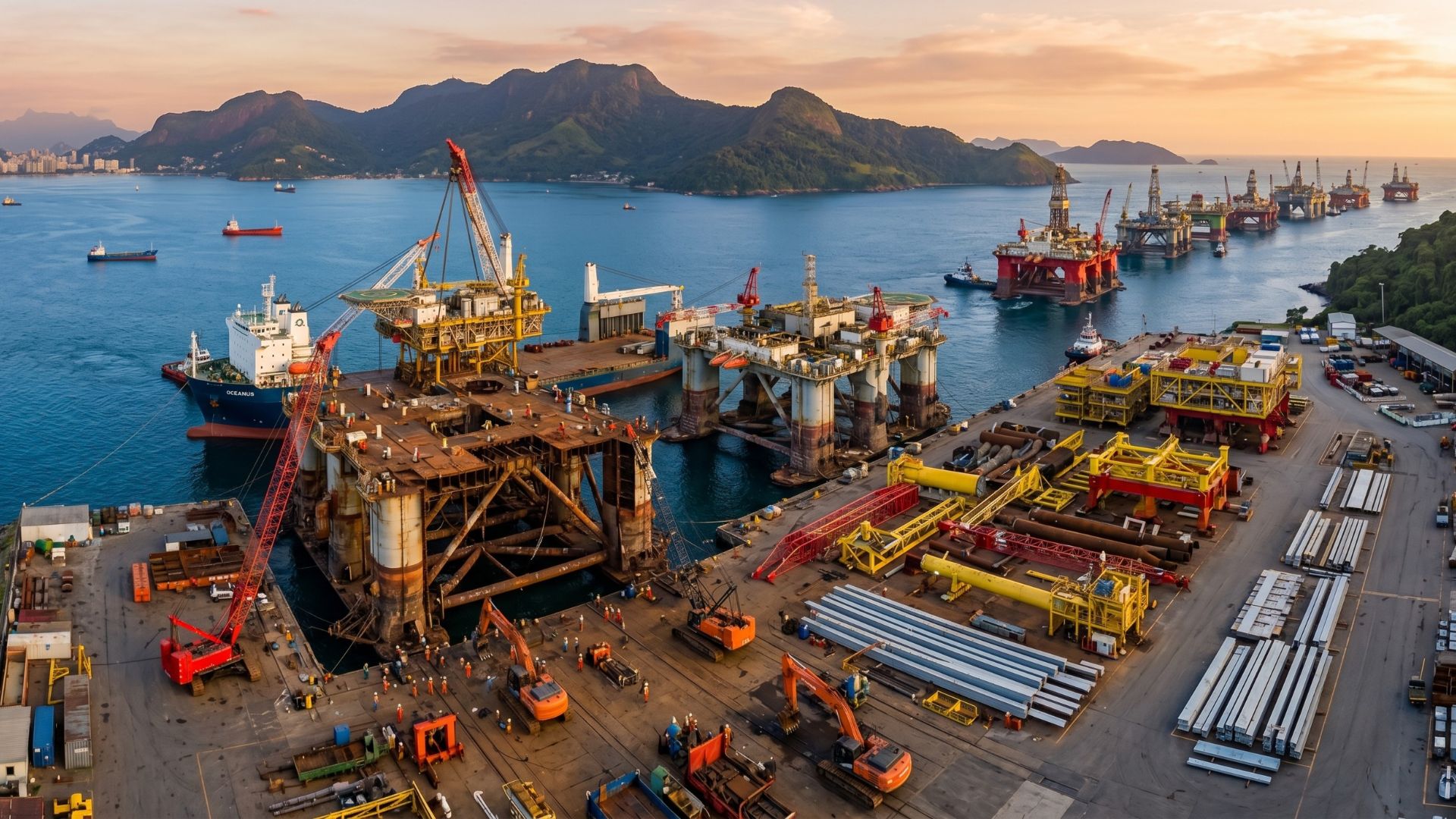
More than 40 Petrobras platforms enter the decommissioning queue and open up a billion-dollar industry in Brazil for cranes, special ships, underwater cutting, and offshore recycling.

-
ANP schedules oil auctions in October and reinforces regulatory predictability for concessions, sharing, and investments in the oil and gas sector



Petrobras President, Magda Chambriard, stated that the strategy of “Brazilianizing” prices is a way to prevent consumers from suffering from international volatility, keeping fuel prices cheaper than abroad.
Economy Benefits from Stability, but Market Warns of Risks
The Ineep highlights the positive impacts of the policy in reducing inflationary effects. The stability of diesel prices, used in the country’s main transport mode, prevents significant pass-through to the final consumer. However, analysts from Santander warn of the dangers of maintaining prices below production costs, emphasizing that the strategy may affect the state-owned company’s performance.
Nevertheless, Petrobras downplays the criticism, highlighting that its strategy generated strong cash flow and consistent results, in addition to reducing its gross debt to its lowest level since 2008.
A Future of Uncertainties, but with Confidence
Despite the decrease in refining margins, Petrobras remains resilient, relying on the low production cost of pre-salt as a competitive differentiator. The strategy of “Brazilianizing” prices is a game changer: seen as relief for the Brazilian economy, but also as a risk for investors.
Now, what do you think of this approach? Is it wise to prioritize consumers over profits, or should the international market be the compass for domestic prices?





O petróleo é nosso e não de chacais internacionais.
É primeira empresa na história que vende abaixo do custo e tem caixa e resultados consistentes, essa nem brasileiro **** acredita .