Portuguese
  Spanish


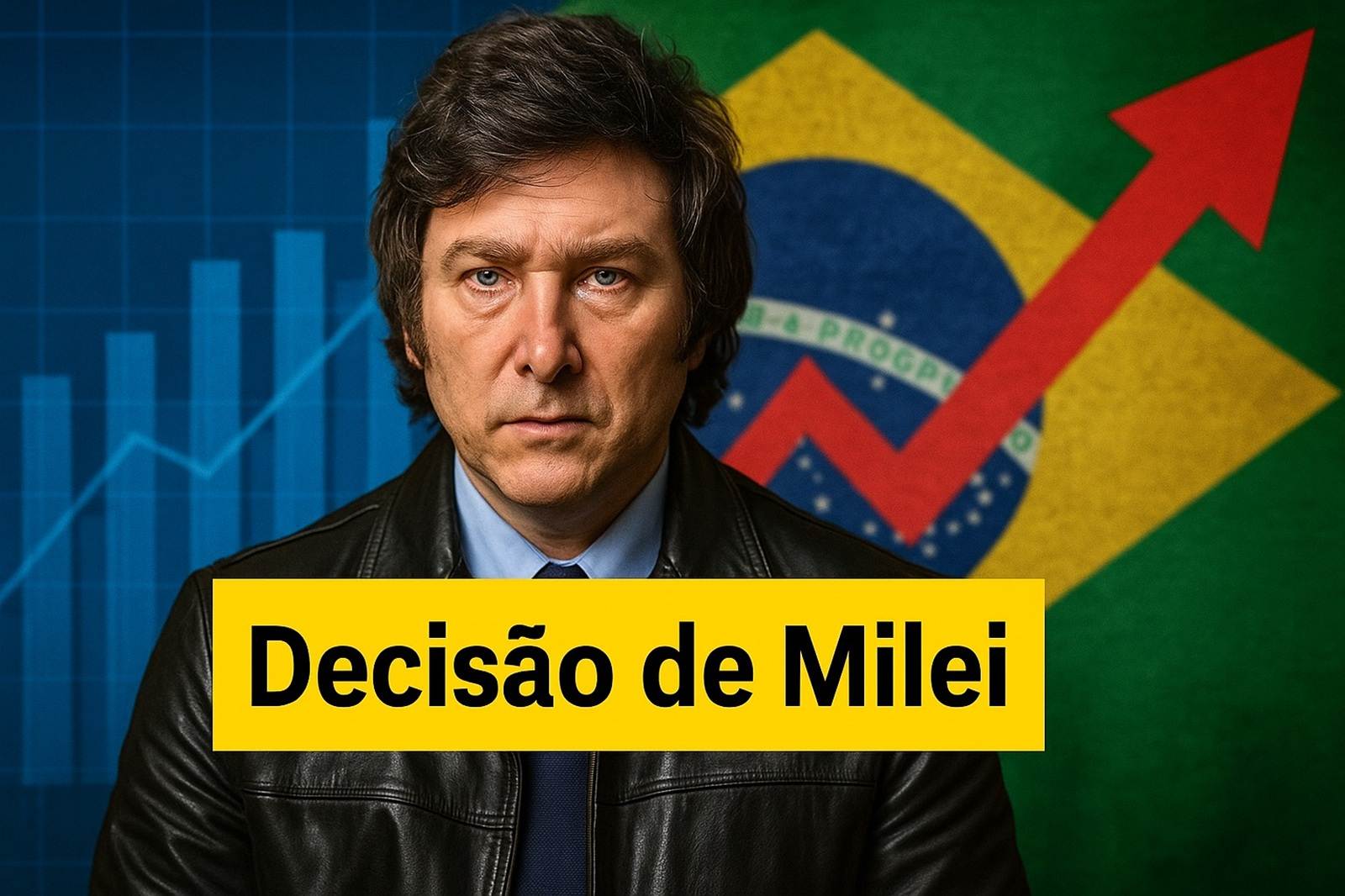

The Argentine President Javier Milei Announced The Suspension Of Export Tariffs On Soy, Corn, And Wheat. The Measure, Which Could Release Up To US$ 7 Billion In Foreign Sales, Tries To Contain The Currency Crisis And Recover Lost Ground To Brazil In Global Trade.
The President Of The United States, Donald Trump, And The Treasury Secretary, Scott Bessent, Have A Meeting Scheduled On Tuesday With The Argentine President Javier Milei. The Meeting Takes Place At A Time When Argentina Is Announcing Important Changes In Agricultural Export Policy To Try To Contain The Fragility Of The Peso.
Suspension Of The Tariffs
On Monday (22), The Argentine Government Announced The Temporary Suspension Of Export Tariffs On Soy, Derivatives, Corn, And Wheat.
The Decision, Published In The Official Gazette, Takes Effect On Tuesday (23) And Will Last Until October 31 Or Until The Country Registers US$ 7 Billion In Foreign Sales.
-
California’s Almond Industry Consumes Over 4 Trillion Liters of Water Annually Amid Drought, Relies on Trucked-In Bees for Pollination

-
India’s Sugar Export Cuts and Ethanol Shift Amid El Niño Threat Could Impact Global Prices and Stocks

-
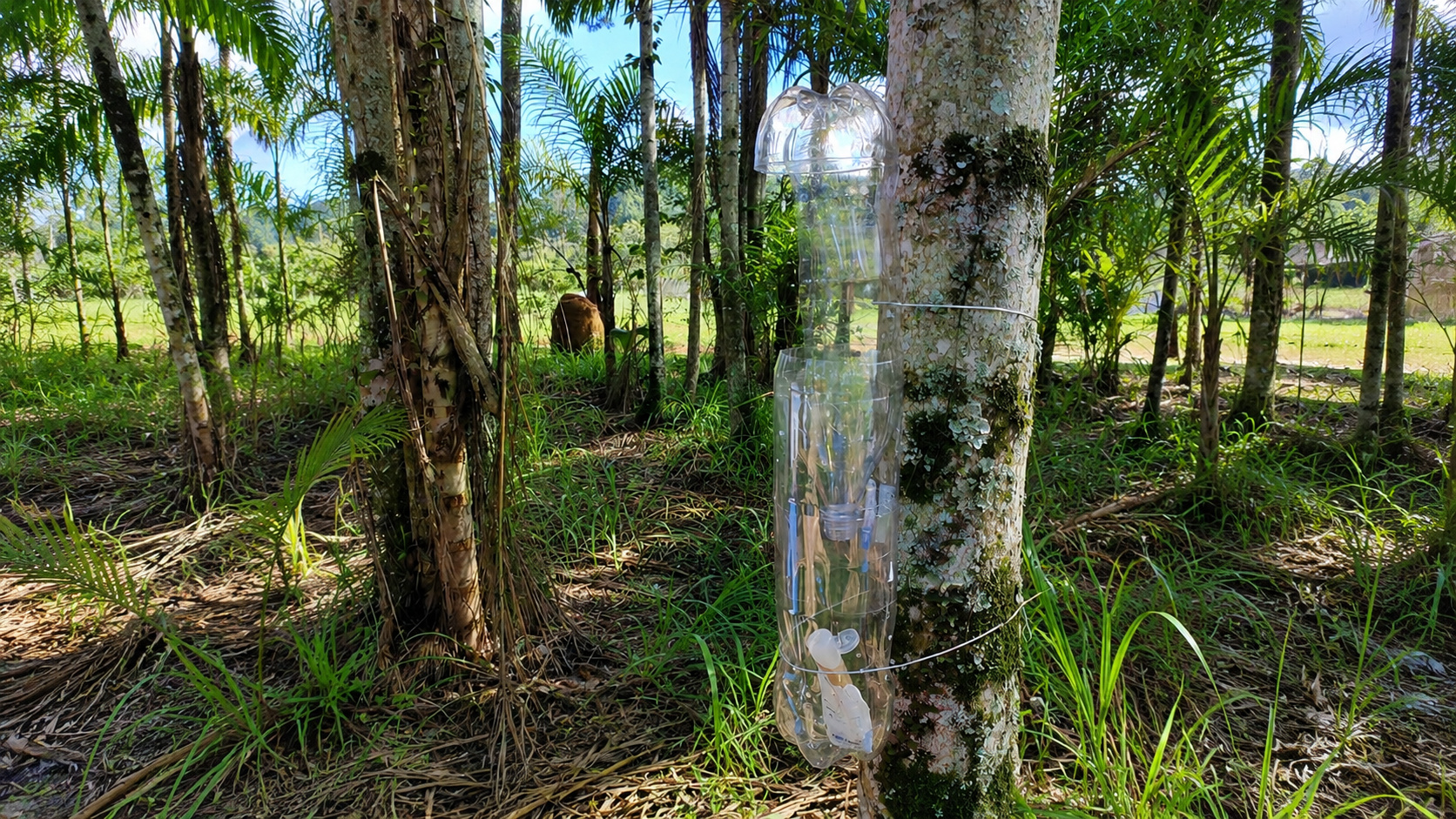
Quarantine Pest Threatening Palm Trees Puts Brazilian Authorities on Alert, Prompts Monitoring at University of Taubaté and Potential Control Measures Across São Paulo
-
Global Alert: Report Finds 159 Pesticides in Coffee Beans Sold in Europe, Posing Serious Risks to Millions of Farm Workers



Until Then, The Applied Rates Were 26% For Soy, 24.5% For Oil And Meal, And 9.5% For Corn.
The Measure Aims To Strengthen The Inflow Of Foreign Currency During A Period Of High Economic Instability.
Technical Details About The Implementation Of The Limit Have Not Yet Been Disclosed And Should Be Clarified By The Ministry Of Economy In The Coming Hours.
International Competition
Argentina Is A Key Player In The Global Agricultural Market.
The Country Ranks Third Among The Largest Soy Producers, In Addition To Leading The Exports Of Soy Oil And Meal.
It Is Also Among The Major Global Exporters Of Wheat And Corn.
The Move, However, Concerns American Soy Producers, Who Have Already Recorded A Drop Of 5 Million Tons In Exports Compared To Last Year.
Lane Akre, An Economist At Pro Farmer, Evaluated That Competition Tends To Intensify. “Brazilian Soy Has Dominated The Global Market, Especially China, And Increased Its Offers To Take Advantage”, He Says.
According To Him, Argentina May Have Made The Decision On Its Own Or After Stimuli From Chinese Entities, Which Are Prohibited From Trading In The United States And Are Looking For Alternatives To Ensure Supply.
Campaign Promises And Practical Effects
During The Presidential Race, Javier Milei Promised To Eliminate Taxes On Agricultural Exports, But Acknowledged That He Would Not Be Able To Implement The Promise Immediately.
Similar Temporary Measures Had Been Applied In The Past And Were Able To Speed Up Sales In The Sector, Which Was Facing A Slower Pace.
Last Week, The Prices Of Argentine Soy Were Practically Aligned With American Prices And About 10% Below Those Practiced By Brazil. This Differential May Attract Buyers And Change Trade Flows In The Coming Months.