






 Portuguese
  Spanish
  5 min of reading
  0 comments


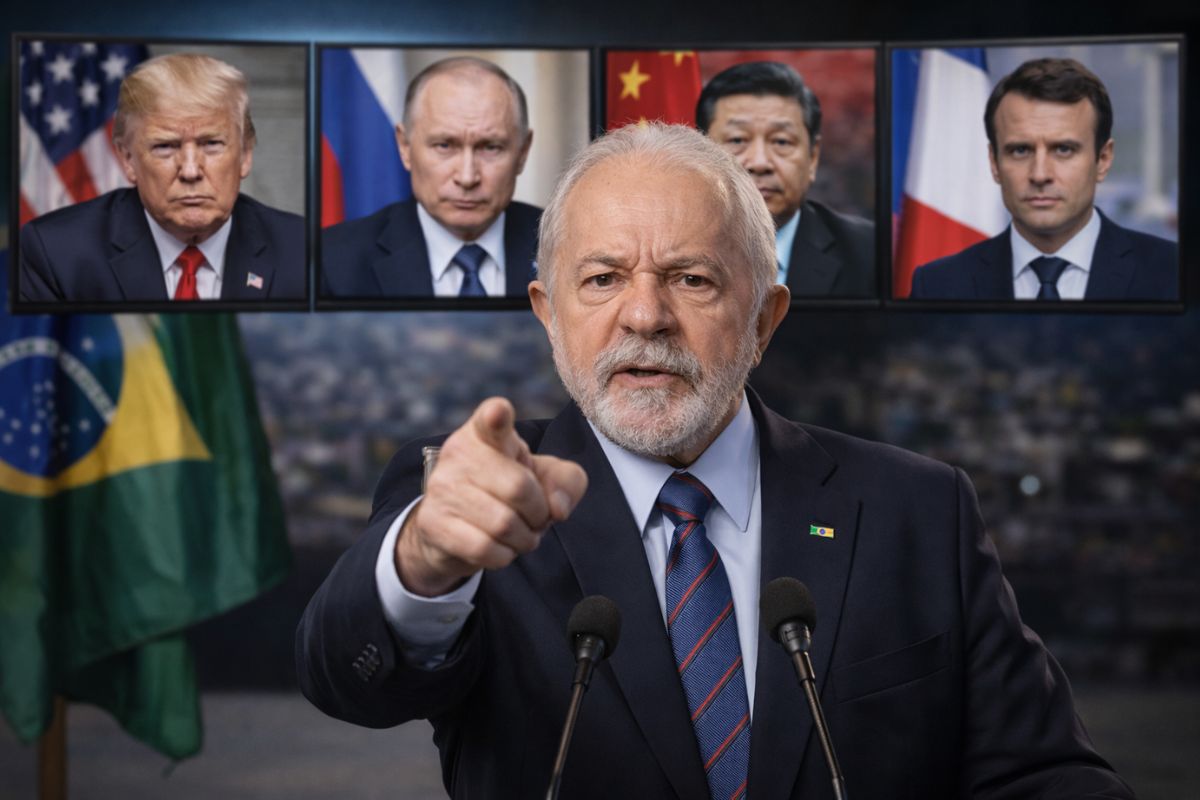
The Brazilian president Lula da Silva classified the five members of the UN Security Council as “lords of war” during a meeting in Barcelona on Saturday (18), demanding that Trump, Putin, Xi Jinping, and Macron fulfill their duty to ensure peace and end the conflicts that the world can no longer bear.
The Brazilian president Luiz Inácio Lula da Silva took the stage at the Progressive Mobilization in Barcelona, Spain, on Saturday (18) and directed an open criticism at the leaders of the five nations with permanent seats on the UN Security Council. Lula called for Trump, Xi Jinping, Putin, Macron, and the Prime Minister of the United Kingdom to convene an emergency meeting and stop what he called the “madness of war,” stating that the planet can no longer bear the current level of armed conflicts. The statement was made during the second meeting of the event, conducted under the coordination of the Spanish Executive as part of a summit created in partnership by the Brazilian president and Prime Minister Pedro Sánchez in 2024.
In addition to the direct appeal, the Brazilian president criticized the functioning of the Security Council itself. Lula stated that the body, created after World War II with the mission of preserving peace, has turned its five permanent members into “lords of war” who hinder any progress through the mutual use of the veto power. The statement comes at a time when cuts in humanitarian aid, military interventions, and threats of NATO abandonment by the United States are shaking the balance of international relations and forcing countries to redesign their strategic partnerships.
What the Brazilian president said about the permanent members of the UN
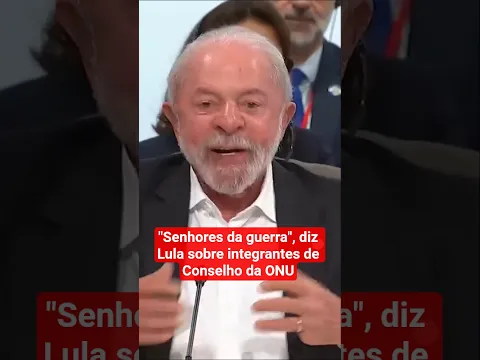

Lula’s speech was direct and straightforward. The Brazilian president addressed each leader individually by name, asking Trump, Xi Jinping, Putin, and Macron, as well as the British Prime Minister, to fulfill the commitment they made by joining the Security Council. In the view of the Brazilian president, the five permanent members were constitutionally tasked with safeguarding world peace, but in practice, they have turned into the “lords of war” that he denounced in Barcelona.
-
Federal Police involved in the case to identify the person responsible for hacking the Civil Defense system, which sent ten false alerts, frightened residents of different capitals, and turned messages about real risks into notifications with “misanthropy” and even alien attacks.

-
Extreme drought causes ghost village to reappear at the bottom of the reservoir that supplies Athens, revealing houses, a school, and ruins swallowed since the 1980s as the lake shrinks and exposes the water crisis threatening the capital of Greece.

-
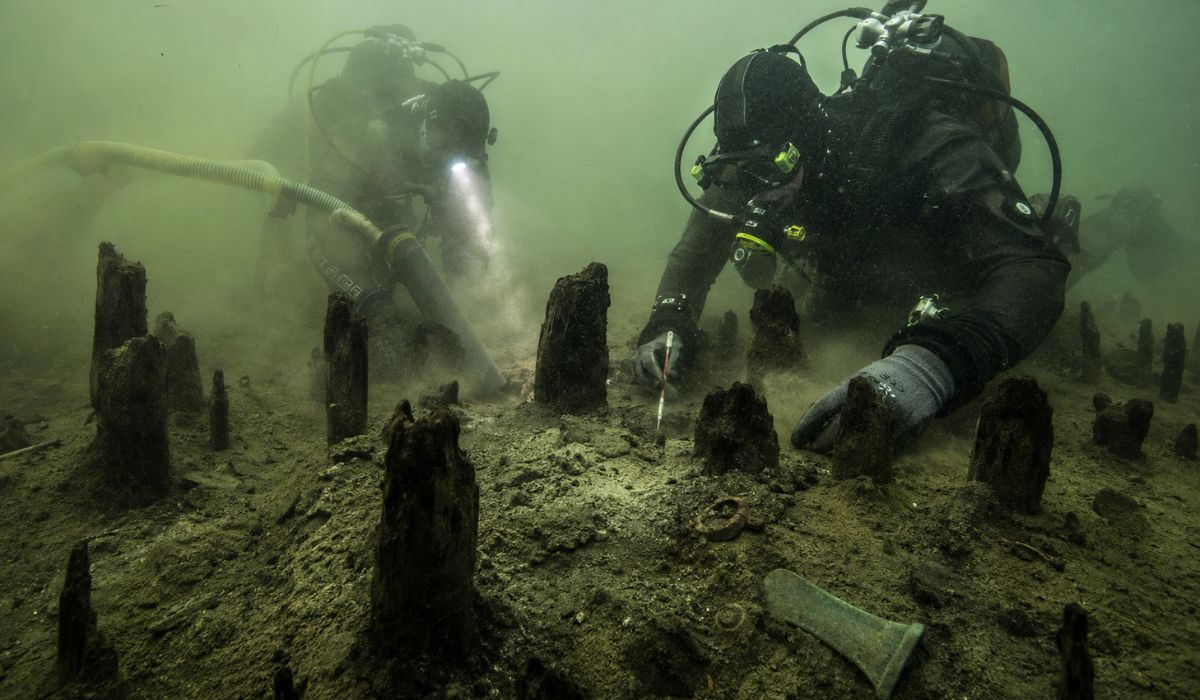
An entire village lay asleep at the bottom of a lake for 3,000 years: divers suction sediments in Italy and reveal more than 600 wooden stakes, bronze tools, and traces of a Bronze Age settlement hidden underwater.
-
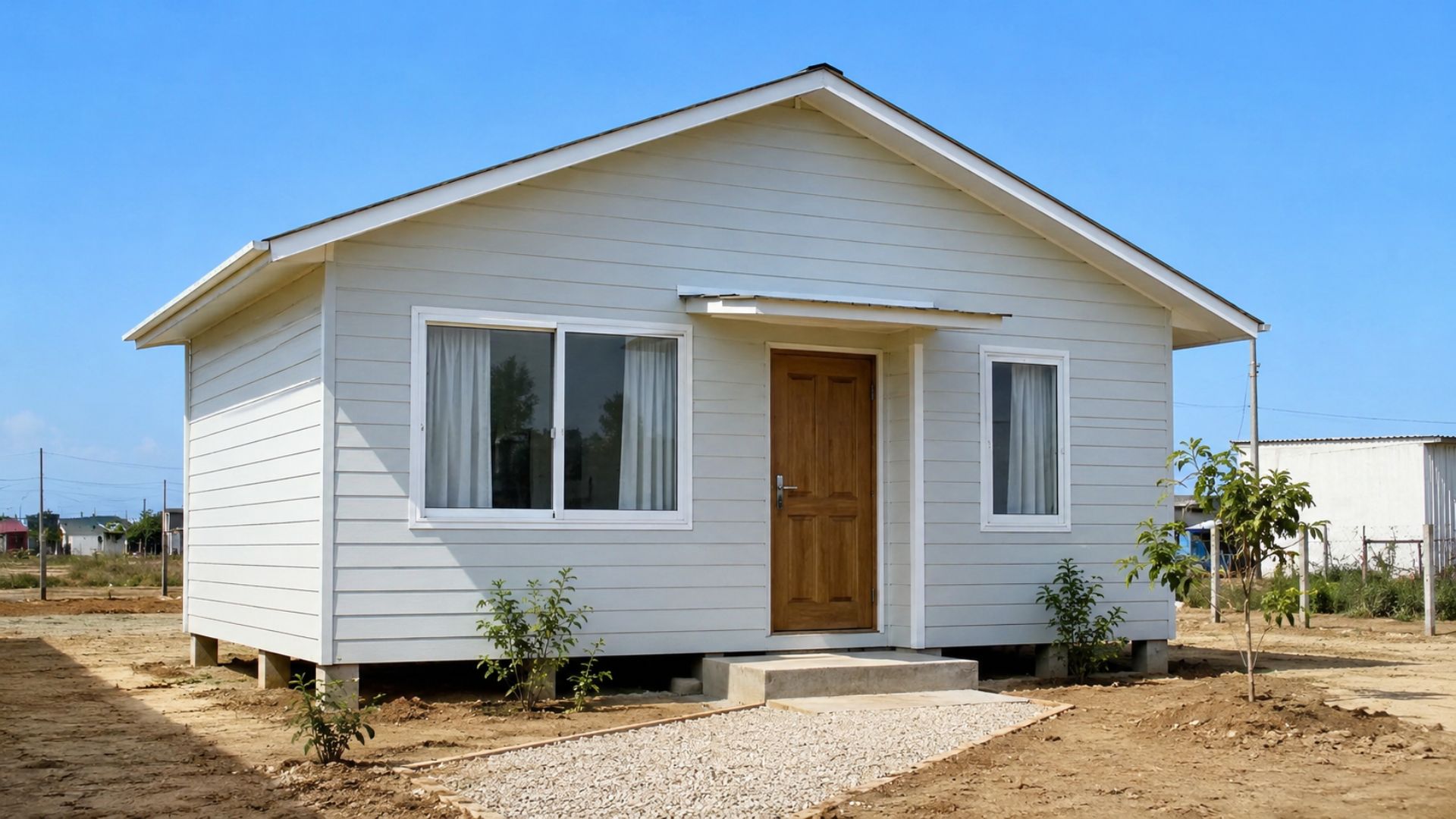
They call it the “Shopee house” and even cardboard, but the R$ 20,000 house is a certified Wood Frame from Alea, financed by Minha Casa Minha Vida: understand if it’s worth more than masonry.


The veto mechanism, which allows any of the five members to block resolutions, is the central target of frustration expressed by the Brazilian president. Lula argued that this dynamic paralyzes the UN because, in his words, every time one member approves something, another uses the veto power to block it. The criticism is not new in the Brazilian president’s vocabulary, who has previously stated that developing countries bear the cost of conflicts they did not initiate, but the intensity and direct naming of the leaders marked an escalation in tone.
The context of the Progressive Mobilization where the Brazilian president spoke
The meeting in Barcelona is part of a series of gatherings organized by the global left that began on Friday (17) and extended until Saturday. The stated goal is to defend multilateralism and articulate progressive movements against the rise of the far-right, which gained strength in the 2024 European elections. The initiative, which adopted the name Progressive Mobilization, aims to culminate in a joint declaration with goals ranging from the defense of democracy to energy transition.
The Brazilian president has been one of the protagonists of the movement since its inception. The summit originated from a warning issued within the European socialist camp and evolved into a format that already includes four editions, all co-organized by Lula and Spanish Prime Minister Pedro Sánchez. This week’s event gained additional relevance because it takes place at a time when the Trump administration’s actions regarding NATO and international humanitarian aid are reshaping the map of geopolitical alliances.
The international agenda of the Brazilian president in Europe
Lula arrived in Barcelona on Thursday night (16) and, in addition to participating in the Progressive Mobilization, has an official agenda scheduled in Germany and Portugal. The Brazilian president is expected to return to the country on Tuesday (21), concluding an agenda that combines leftist political articulation with bilateral meetings in three European countries. The stop in Spain concentrated the moment of greatest public visibility of the trip, precisely because of the statement against the permanent members of the Security Council.
The Brazilian president’s European itinerary reinforces the strategy of positioning Brazil as the voice of the global South in debates on peace and international governance. By calling the five members of the Council “lords of war” at an event broadcast to audiences in various countries, Lula bets that public pressure on the powers can produce effects where traditional diplomatic channels cannot advance. It is a high-risk bet: naming leaders of the five largest military powers on the planet generates headlines, but it can also complicate future negotiations that depend on the goodwill of those same interlocutors.
What the Brazilian president’s statement means for Brazil’s diplomacy
The tone adopted in Barcelona represents a shift in the Brazilian president’s discourse regarding foreign policy. Generic criticisms of the Security Council are common among leaders of the global South, but calling the five permanent members “war lords” by name elevates the confrontation to a personal level that few heads of state dare to reach publicly. For Brazil, the statement may strengthen its image of diplomatic independence among developing countries, but it may also create friction with trade and geopolitical partners on whom the country depends.
The reaction of the five leaders mentioned by the Brazilian president will be closely monitored in the coming days. So far, none of the mentioned governments have officially commented on Lula’s remarks, but the institutional weight of the accusation of turning a peace council into an instrument of war will hardly go unanswered. The Brazilian president returns to Brazil on Tuesday carrying the weight of a statement that could define the tone of the country’s relations with the world’s major powers for the coming months.
And you, do you think the Brazilian president is right to publicly call out world leaders, or could this stance harm Brazil in international relations? Leave your opinion in the comments.




Be the first to react!