






 Portuguese
  Spanish


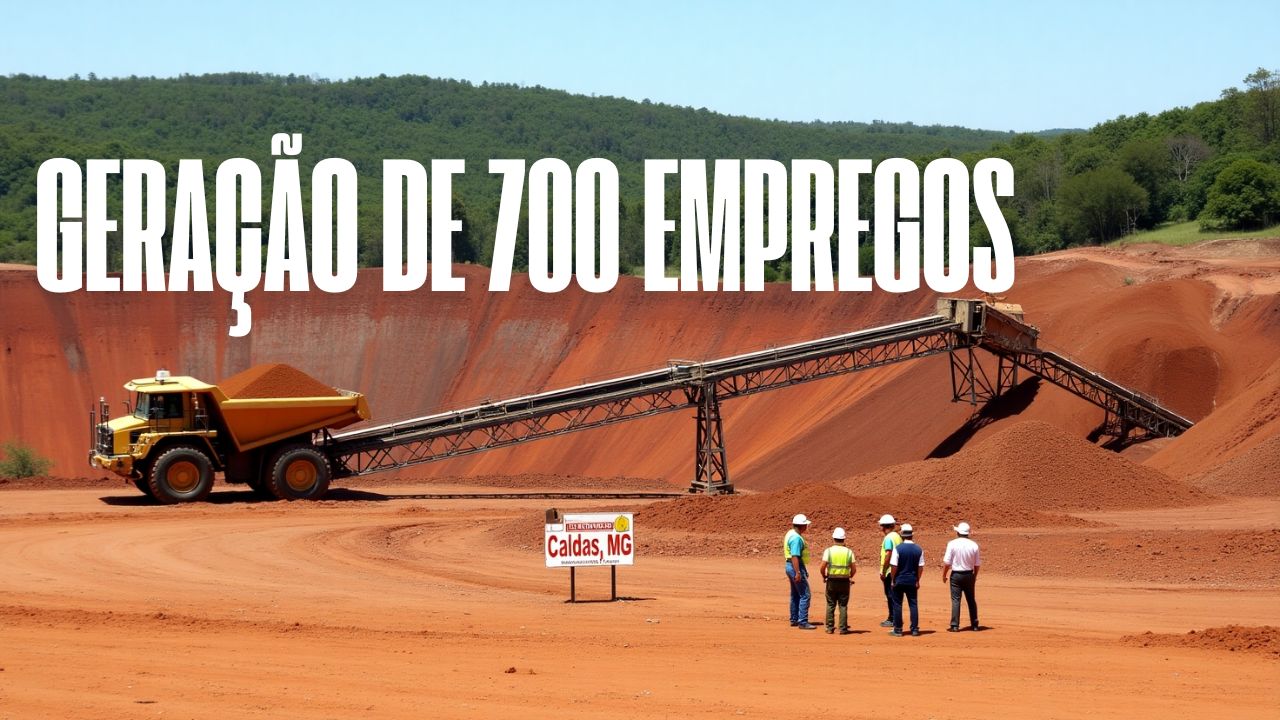

Municipality Approves Certificate That Authorizes Rare Earth Mining and Forecasts Creation of 700 Jobs in the Region
The city of Caldas, in southern Minas Gerais, took an important step toward the exploration of rare earths by approving a land use and occupancy certificate for an Australian company intending to extract minerals in the region. The document, issued by the Municipal Council for the Defense of the Environment (Codema), is one of the first steps for obtaining environmental licensing, which now proceeds to analysis by the State Foundation of the Environment (Feam).
Investment in Rare Earths and Economic Impact
The project, led by the mining company Meteoric Resources, forecasts an investment of R$ 1.1 billion, making it one of the largest enterprises in the sector in Brazil. The expectation is that the operation will generate about 700 direct jobs, in addition to boosting the local economy and positioning Brazil as an important global producer of rare earths. This advancement could place Minas Gerais among the strategic states for the production of these elements.
Besides Meteoric Resources, the mining company Viridis Mining and Minerals has also expressed interest in operating in the region, announcing a project valued at R$ 1.35 billion. The company plans to develop the Colossus Project, which includes a processing plant for treating the extracted minerals, covering an area of 15,000 hectares. According to Minerar MT, operations are expected to begin by 2026.
-
Giant 142 kg Emerald from Brazil’s Bahia Region Auctioned with Starting Bid of Nearly $16 Million

-
Study Reveals 97% of Pregnant Munduruku Women in the Brazilian Amazon Have Mercury Levels Above Safe Limits, 90% of Newborns Contaminated by Gold Mining
-
China could reduce iron ore imports from 80% to 50% of consumption by 2030, while its share in global steel production falls from 52% to 46%, in a shift that could reshape the global market, says CMRG.
-
Brazil is sitting on one of the largest lithium reserves in the world, in the Jequitinhonha Valley, but national mining has almost become an appendage of China: 97% of the metal’s export goes to a single country, which also dominates refining.


Debates and Environmental Concerns
Despite the economic benefits of rare earth mining, Codema’s decision sparked intense debates in the local community. The environmentalist group Alliance for Pedra Branca presented 13 conditions for the approval of the exploration, including the creation of an environmental compensation fund and guarantees for the recovery of affected areas. However, all requests were rejected, causing dissatisfaction among residents and activists.
During a public hearing held on February 27, 2025, the population expressed concern about the potential environmental impacts of mining, such as soil and water contamination, increased heavy truck traffic, and changes in the socioeconomic dynamics of the region. The portal Brasil de Fato highlighted that local communities are demanding more transparency and environmental guarantees before the operations begin.
Importance of Rare Earths for Brazil and the World
Rare earths are a group of 17 chemical elements essential for the production of advanced technologies, such as smartphones, electric vehicles, wind turbines, and defense systems. Currently, China dominates global production, controlling about 70% of the world market, according to the US Geological Survey report.
With the advancement of these projects in Brazil, the country could become less dependent on imports and strengthen its position in the global market for strategic minerals. The federal government has been closely monitoring this movement and is studying measures to stimulate the sector, including tax incentives and partnerships with foreign companies.


