Portuguese
  Spanish


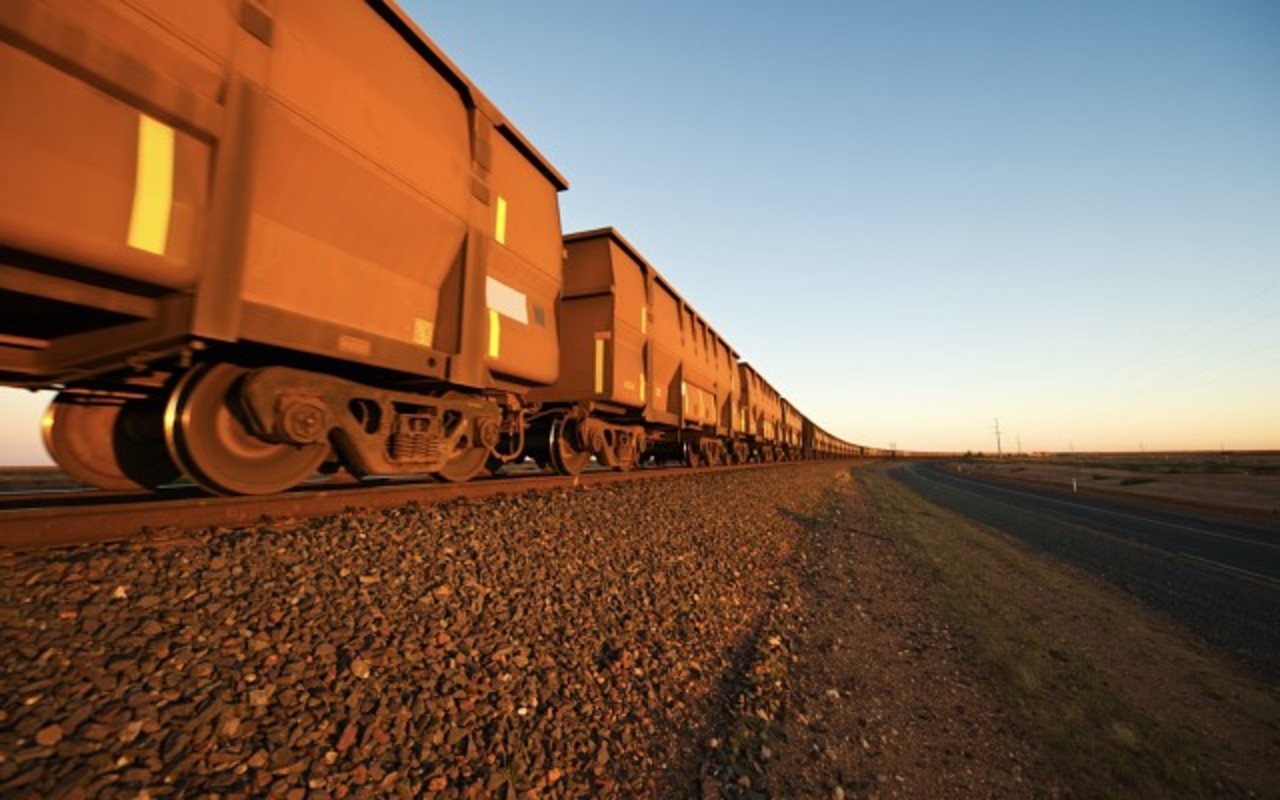

With The Rise In Prices And The Steel Mining Sector Expanding In China, There Was A Reduction In The Production Stocks Of Iron Ore From Vale.
The increase in Vale’s iron ore and the mining industry overall reached a high of US$ 150 last Friday, the highest value of the commodity since March 12, 2013, in Brazil and worldwide.
Also Read
The Three Factors For The Rise In The Price Of Iron Ore From Vale
First, China’s steel industry is growing with 90 million tons per month, over four months, being shipped from the mills, signaling that China is back to work.
Second, there was another drop in iron ore stocks at Chinese ports. Stocks in 45 surveyed ports fell to a reported total of 1.6Mt last week. This occurs at a time when steel mills are looking to replenish with iron ore and other inputs besides Vale.
-
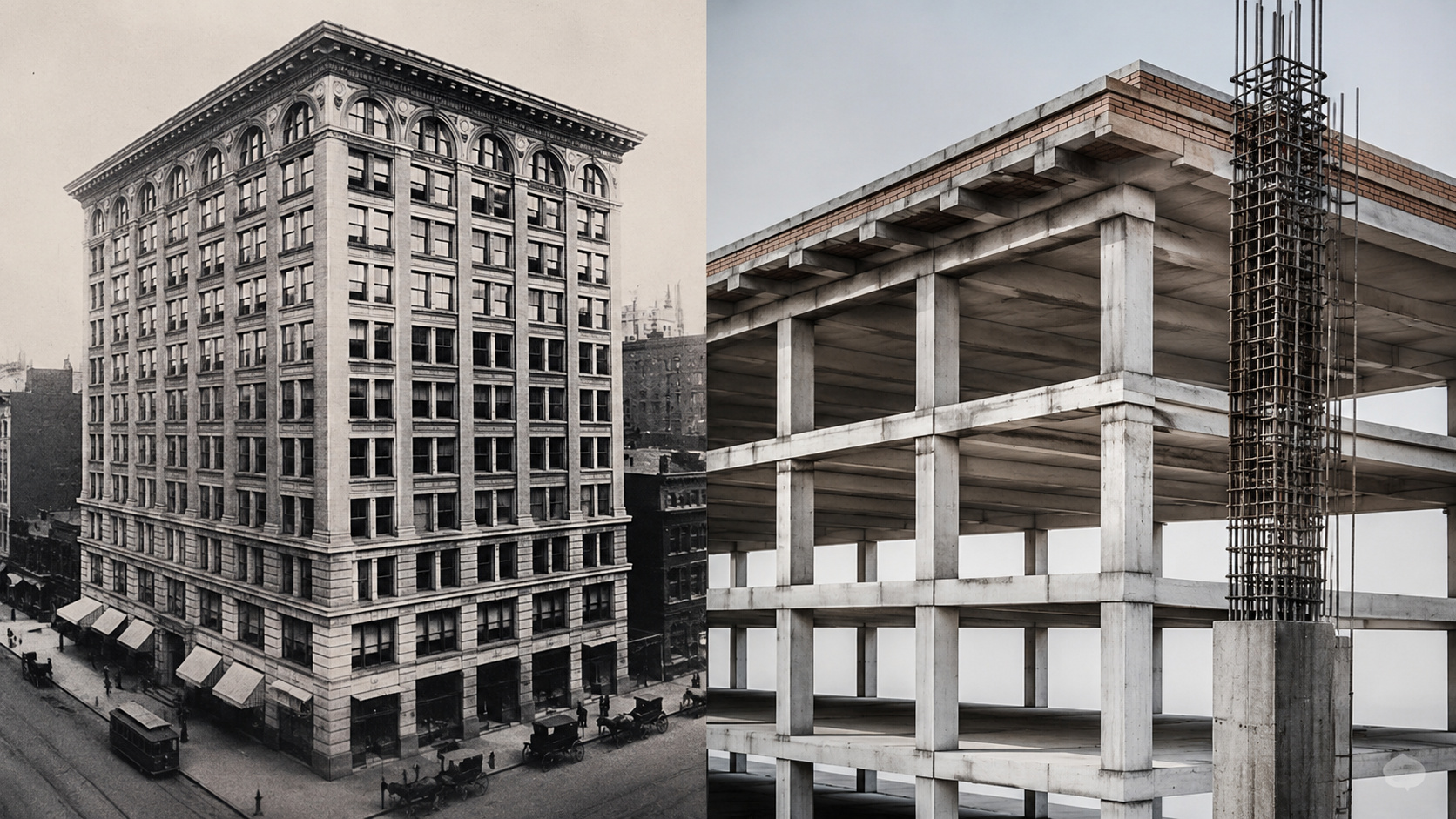
Builders challenged experts, erected a 16-story building using only reinforced concrete when the known limit was six floors, and proved that skyscrapers would never be the same again.

-
Up to 60 concrete mixer trucks pour 380 m³ of concrete onto the “big slab” of Niemeyer’s first work in Amazonas, in a decisive stage of the construction of the monumental oca that will mark the Parque Encontro das Águas in Manaus.

-
Alert in Santa Catarina: the Anita Garibaldi Bridge on BR-101 is completely closed in both directions due to “structural risk,” and drivers are diverted to a 20 km/h detour that promises kilometer-long queues until July 20.

-
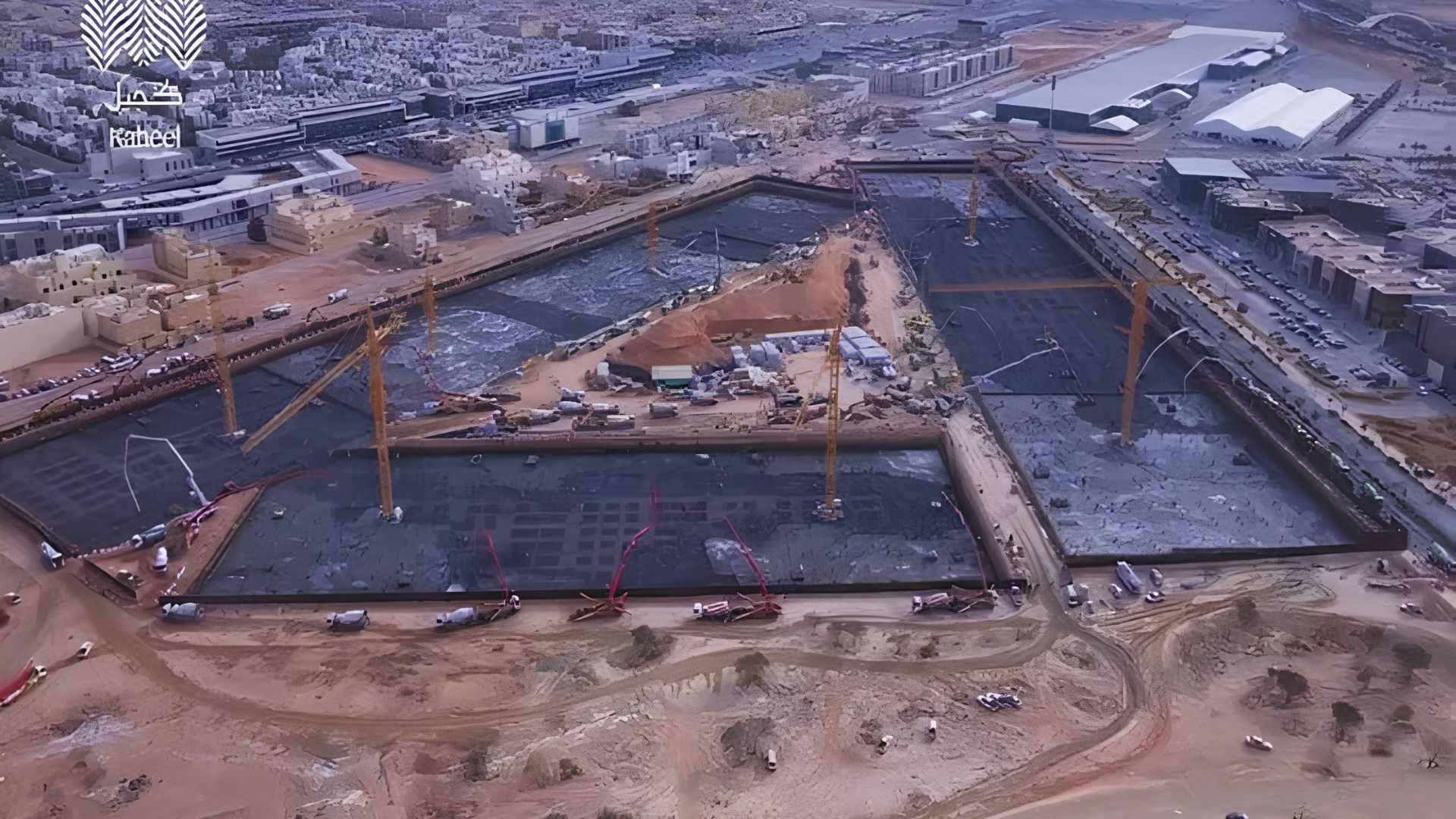
More than 6,000 trucks poured nearly 70,000 cubic meters of concrete without interruption for 72 hours to create the largest continuous concrete pour in history and erect a megaproject in Saudi Arabia.


And finally (this will certainly worsen the issue of port stocks), Vale of Brazil announced last week that it has discarded its production target for iron ore for 2020. Now, this number is expected to drop according to Vale itself, indicating that things would not be much better in 2021.
Mining: Manufacturing In China On The Rise, Increasing Demand For Iron Ore
In November, the Purchasing Managers’ Index for mining in China rose to 52.1 (50 being the mark that separates growth from contraction in production). This was much better than consensus forecasts. Another regular survey, this time about export activity in the mining industry in China, reached a 10-year high of 54.9 in November.
As Dhar points out, base metals and iron ore are the most leveraged for an industry-led recovery in China. China continues to invest heavily in infrastructure – three weeks ago, for example, it announced the construction of a new 1,100 km railway line from the Sichuan Province to Lhasa, Tibet.
Infrastructure accounts for up to 25% of Chinese steel demand (with another 20% coming from manufacturing). Such is the demand for iron ore that two private (but dormant) iron ore mines in the Northern Territory are being reopened.
The Roper Bar mine resumed mining at the beginning of November, while the Frances Creek mine, which has a history of intermittent mining over several decades, will be back in business in early 2021.