






 Portuguese
  Spanish
  3 min of reading
  0 comments


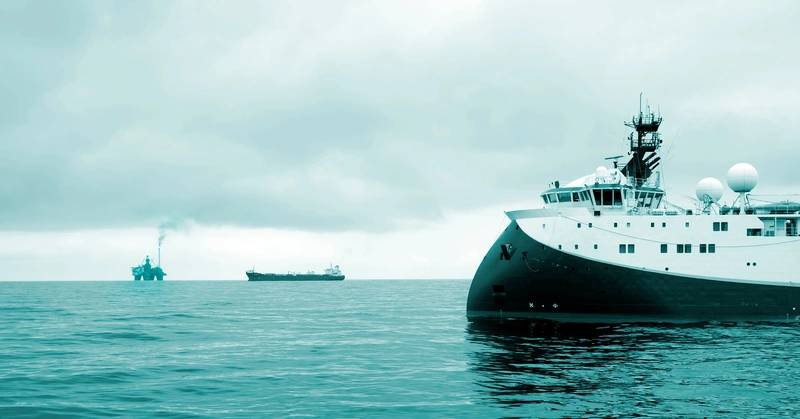
Offshore Ships Have In Common Complexity, Like Offshore Support Vessels. Innovations in Shipyards Make Design and Construction Less Inconsistent.
The challenges of the oil and gas industry are many, but innovation and complexity are at the heart of operations. From extraction to transportation, oil and gas require advanced and technologically sophisticated solutions to ensure efficiency and safety. The search for new ways to develop and manage projects is constant, in order to meet the growing demands of this critical sector.
Oil companies face constant challenges, but they also have great opportunities for growth and development. The oil and gas industry is constantly evolving, seeking new ways to manage risks and minimize manual work. Innovation is key to the progress of the oil and gas industry, and companies are committed to finding effective solutions to drive the sector into the future. Geert Schouten, Director of Shipbuilder: ‘Innovation is essential to address the challenges of the oil and gas industry and ensure the ongoing development of effective solutions.’
Risk Reduction in Offshore Shipbuilding for the Oil and Gas Industry
In this article, we will explore how risks during the construction of offshore ships for the oil and gas industry can be effectively reduced. Shipbuilding for the oil and gas industry is a complex and challenging process, taking into account the massive amount of data circulating in the shipyards before and during the construction of these vessels.
-
Oil production grows in Rio, but reserve replacement raises a warning sign

-
Petrobras is expected to complete the drilling of the Morpho well in the Foz do Amazonas in August 2026, the first well in the Equatorial Margin, an oil frontier that the ANP estimates at more than 30 billion barrels and could redraw the map of Brazil.

-
Oil returns to the center of concerns with tension between the US and Iran

-
IEA reduces forecast for global oil demand in 2026 after impacts of the Middle East crisis


- Challenges in the Oil and Gas Industry: Shipbuilding of Offshore Vessels
Geert Schouten, Director of Shipbuilding, emphasizes the complexity of the documentation and data required during the construction of offshore vessels for the oil and gas industry. With thousands of documents and pages involved, along with numerous drawings and millions of data elements, monitoring becomes a significant challenge. Oil companies, aware of these complexities, face the need for innovative solutions to ensure the success of these projects.
- Oil Companies and the Challenges in Offshore Shipbuilding for the Oil and Gas Industry
Furthermore, Geert highlights the importance of consistent information supply, pointing out inconsistencies in documentation as a financially avoidable risk that can be critical to the successful delivery of a vessel. Effective management of these challenges represents a significant opportunity for oil companies in the oil and gas industry.
- Improvements Through Digitalization in the Oil and Gas Industry
Considering these challenges, digitalization emerges as a viable solution to mitigate risks and drive innovation in the oil and gas industry. As exemplified by the Dutch Navy, innovative digitalization processes can filter and adjust inconsistencies in data elements, resulting in faster development and more innovations in shipbuilding. Proper utilization of digitalization can prevent inconsistencies and significantly reduce risks while driving innovation and efficiency for oil companies.
Operational and Financial Benefits of Digitalization in Shipbuilding for Oil and Gas
Thus, the effective adoption of digitalization in the oil and gas industry promises a considerable reduction in risks while driving innovation and operational efficiency. Companies that prioritize and effectively implement digitalization are in a unique position to avoid unnecessary risks and thrive in the dynamic environment of the oil and gas industry. Digitalization not only reduces risks but also enhances innovation, significantly benefiting the industry. Companies that adopt these solutions will be ahead and more competitive in the oil and gas industry.
Technology Shipbuilding Abroad








Be the first to react!