






 Portuguese
  Spanish
  4 min of reading
  0 comments


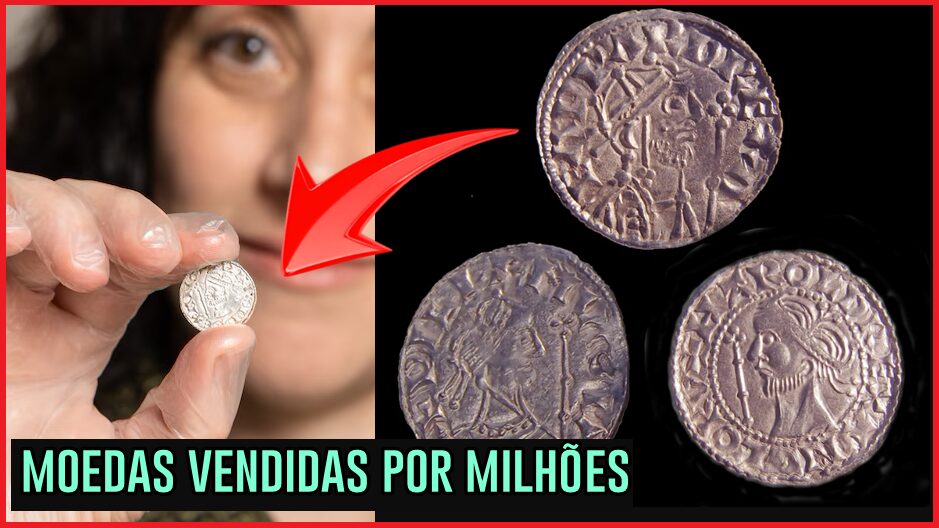
Treasure Hunters Found 950-Year-Old Coins That Were Sold for $5.6 Million. Learn How This Discovery Became One of the Most Valuable Finds and the Historical Impact That These Coins Have!
In January 2019, seven friends in search of adventure with their metal detectors stumbled upon an extraordinary find in Chew Valley, southwest England. On a typical winter day, cold and rainy, the group of amateur treasure hunters discovered something they could never have imagined in their wildest dreams: silver coins dated 950 years ago, specifically from the years 1066 to 1068.
This treasure, considered the most valuable ever recorded in the United Kingdom, was recently acquired by the South West Heritage Trust for £4.3 million (equivalent to $5.6 million).
The Discovery and Its Importance of Historical Coins
The friends were walking through the fields with their metal detectors when they heard a sound indicating something was buried. When they dug, they came across several coins.
-
An empty spacesuit was launched from the ISS and became a “ghost astronaut” in orbit: the SuitSat floated alone around the Earth transmitting radio signals before burning up in the atmosphere.

-
Dissatisfied with seeing laptop batteries go to waste, a man collects more than 650 units and transforms the electronic waste into a solar energy storage bank to power his house.
-
Accessible only by boat, an old house from 1862 is up for sale for R$ 19.4 million in the USA with a famous artist’s studio, pier, and over 10 preserved hectares.
-
Scientists create the world’s first nuclear clocks and open a new frontier in time measurement





By the end of the day, they had collected 2,584 silver coins from the 11th century, a tumultuous transitional period between Saxon and Norman rule in England. The discovery would soon become one of the greatest historical treasures in the country.
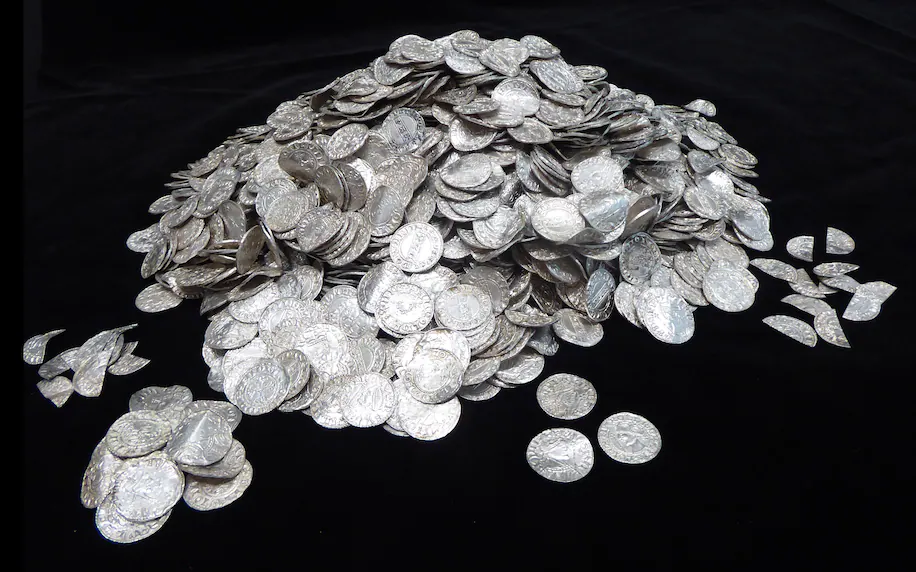
The coins were sold to South West Heritage Trust, with the sale announced at the beginning of the month. Under British law, the group that found the treasure will keep half the profits from the sale, while the other half will go to the landowner where the coins were found.
The Chew Valley treasure holds a unique significance, symbolizing one of the most crucial moments in English history: the Norman Conquest, which drastically altered the social and political landscape of the country.
Sam Astill, CEO of the South West Heritage Trust, stated that this is “one of the most remarkable discoveries ever recorded” since a 1996 law allowed finders of valuable historical items to receive a share of the profits when such items are sold to museums or collectors.
What the Treasure Reveals About Medieval England?
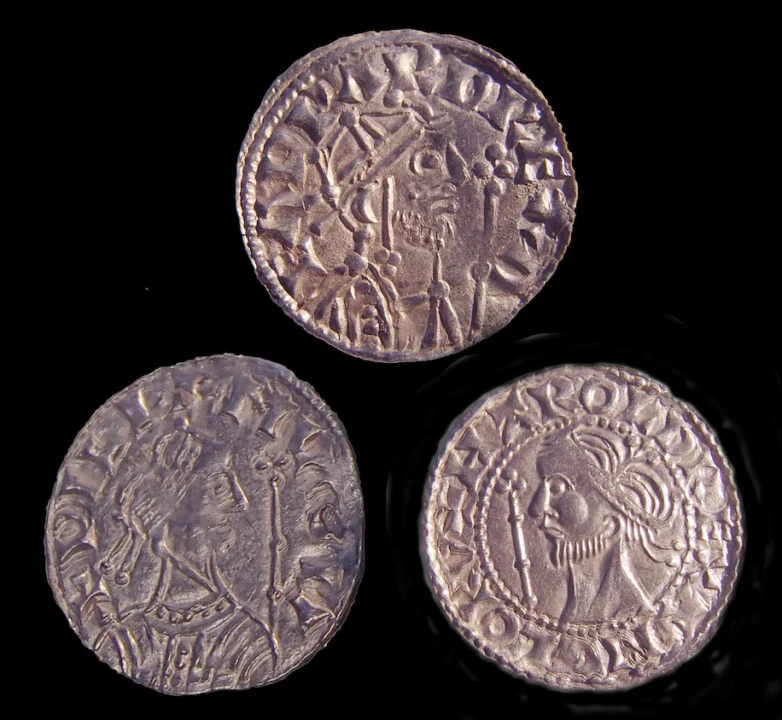
The total weight of the treasure is about 3.4 kilograms, containing coins depicting three rulers: William I, known as “The Conqueror” and the first Norman king; Harold II, the last Saxon king of England; and, in some cases, Edward “The Confessor,” the last monarch of the House of Wessex, who was canonized after his death. These kings were key figures in the history of England, marking the end of one era and the beginning of another.
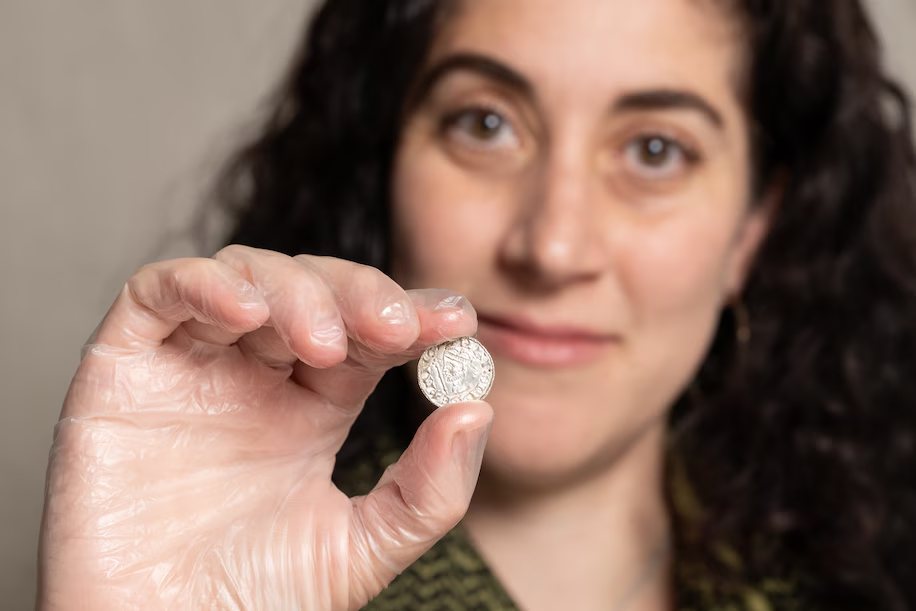
Lisa Grace and Adam Staples, the leaders of the group that found the treasure, told the BBC that this was a 15-year dream that finally came true. In an interview with The Guardian, Staples revealed that they had decided to take a trip to Chew Valley with some friends to teach how to use the metal detector.
The initial idea was just to spend the weekend, have a few beers, and enjoy time together, but the surprise was enormous when they stumbled upon one of the largest archaeological finds in the country.
The Impact of Treasure Hunters in the United Kingdom
The practice of treasure hunting, known in the UK as “dirt fishing,” is not uncommon. The popularity of metal detectors and a growing awareness of the historical importance of such discoveries have made these finds more frequent.
In 2022, the Department for Digital, Culture, Media and Sport recorded 1,378 treasure finds, the highest number since laws on this subject were established in 1996.
This particular treasure offers a unique insight into British history, especially regarding the turbulent period of the Norman Conquest.
According to Chris Bryant, the British Minister responsible for historic heritage, this discovery “gives us a profound insight into our rich history and one of the most important moments in our journey, when these islands were thrown into a period of chaos by the Norman invasion.”
Next Steps: Where the Treasure Will Be Displayed?
The coins were likely buried around 1067 or 1068, during local rebellions against the new Norman king. To protect their wealth, someone decided to bury them in the soil of Chew Valley, where they remained for almost a thousand years.
Now, after a brief exhibition at the British Museum in London, the treasure will travel to other museums in the UK before being permanently exhibited at the Museum of Somerset. This decision aims to ensure that people from different regions have the opportunity to learn about this significant part of British history.
Additionally, part of the funding for the purchase of the coins came from the National Lottery Heritage Fund, which allocates resources raised through the state lottery for historical preservation. The Art Fund and the Somerset Archaeological and Natural History Society also contributed to the acquisition.
This treasure is undoubtedly an impressive find that, beyond its monetary value, brings with it an invaluable wealth of historical knowledge.






Be the first to react!