






 Portuguese
  Spanish


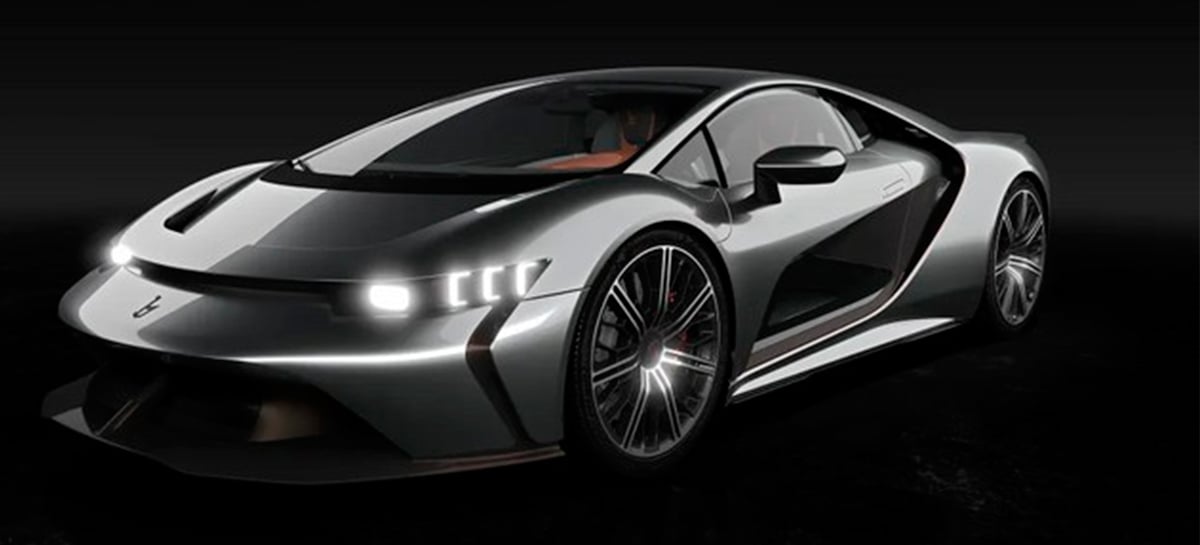

Bertone Is Working on a Supercar That Can Reach Almost 400 km/h Powered by Fuel Made from Plastic Waste. Only 33 Units of the Model Will Be Produced.
Bertone, a well-known automotive designer and manufacturer, plans to launch a supercar that uses fuel made from plastic waste. The vehicle will be named GB110 in honor of the 110 years the Italian brand is celebrating. Founded in 1912, Bertone now has new owners, Mauro and Jean-Franck Ricci.
Plastic Waste-Powered Car Can Reach 380 km/h
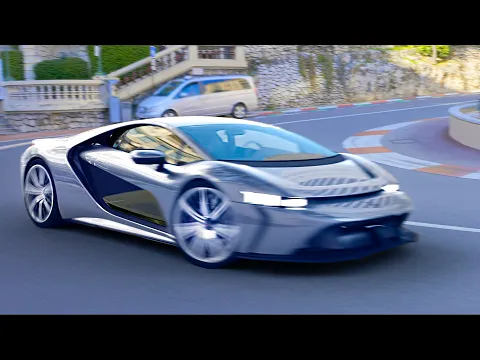

The executives at Bertone are responsible for the resurgence of the Italian firm that produced iconic car designs such as the Lamborghini Countach, but now seeks to project itself into the future. The new car is presented as the first in a series of limited edition supercars that Bertone will launch and is responsible for the “turning of the page” in the company’s history.
The model will be capable of exceeding a maximum speed of 380 km/h, and only 33 units will be produced. With distinctly sporty lines and designed to provide its exclusive owners with an excellent dose of adrenaline, the GB110 deviates from what is common in the automotive industry, mainly due to the type of fuel it uses, which is made from plastic waste.
-
Banco do Brasil and Uber Launch Cashback Program Offering Up to 3.5 Loan Installments Back, Drivers Gain Access to New Cars Worth Up to $30,000 Through Move Brasil Initiative

-
Looking for a Car for Dirt Roads? Fiat Uno, Strada, and Volkswagen Gol Offer Durability and Affordability

-
MG Motor to Produce Two Electric Cars in Brazil with $75 Million Investment, Creating 600 Jobs
-
Nissan Kicks S Direct 2018: Affordable Used SUV with Over 13 km/l Fuel Efficiency, 432-Liter Trunk, and CVT Automatic Transmission


The Italian car will be able to go from 0 to 100 km/h in just 2.79 seconds. The company has released some renderings of the model and reveals a design very similar to the beautiful Lamborghini Aventador. For now, there are no details about the model’s price, but it seems that it will be a very expensive model.
Bertone Supercar Features 1,100 Horsepower
Its powerful 1,100 horsepower engine will benefit from the partnership between Bertone and Select Fuel, a company that developed and patented the technology that transforms plastic waste into fuel. Based in Nevada, USA, Select Fuel is developing fuels from plastic waste that can be used in aviation, heavy vehicles, and even in automotive competitions.
According to Jean-Franck Ricci, the CEO of Bertone, the model was developed with sustainability as the main focus. It is believed that pollution control will require diverse solutions with various technologies.
Plastic waste needs to create added value and be treated as a valuable resource. Through the partnership, the company utilized what was waste and returned it to its original form.
Vehicles Seek Sustainability with Uncommon Fuels
Although it is powered by synthetic fuel generated from plastic waste, the company has not revealed the model’s range. The idea of this type of propulsion is very interesting; however, it would also be important to know how many kilometers the car can travel with just one liter of fuel.
This way, it would be possible to have a better understanding of the cost-benefit of the vehicle, in addition to sustainability in fuel use. As unusual as it may seem, other companies are advancing with synthetic fuels, such as NanoFlowcell, which achieved a new milestone this year with its technology focused on the automotive sector, completing 350,000 km with the Quantino 48 Volt car, which is powered by saltwater without any problems.
Inventor Nunzio La Vecchia now estimates that his technology, which uses a type of saltwater to store electrical energy, will start to be recognized by the industry as a more viable, efficient, and cheaper alternative than others, such as lithium-ion batteries or hydrogen fuel cells, which also do not produce any type of harmful emissions or noise.


