






 Portuguese
  Spanish




Low-Investment Plant Transforms Small Properties and Conquers International Market at Accelerated Pace
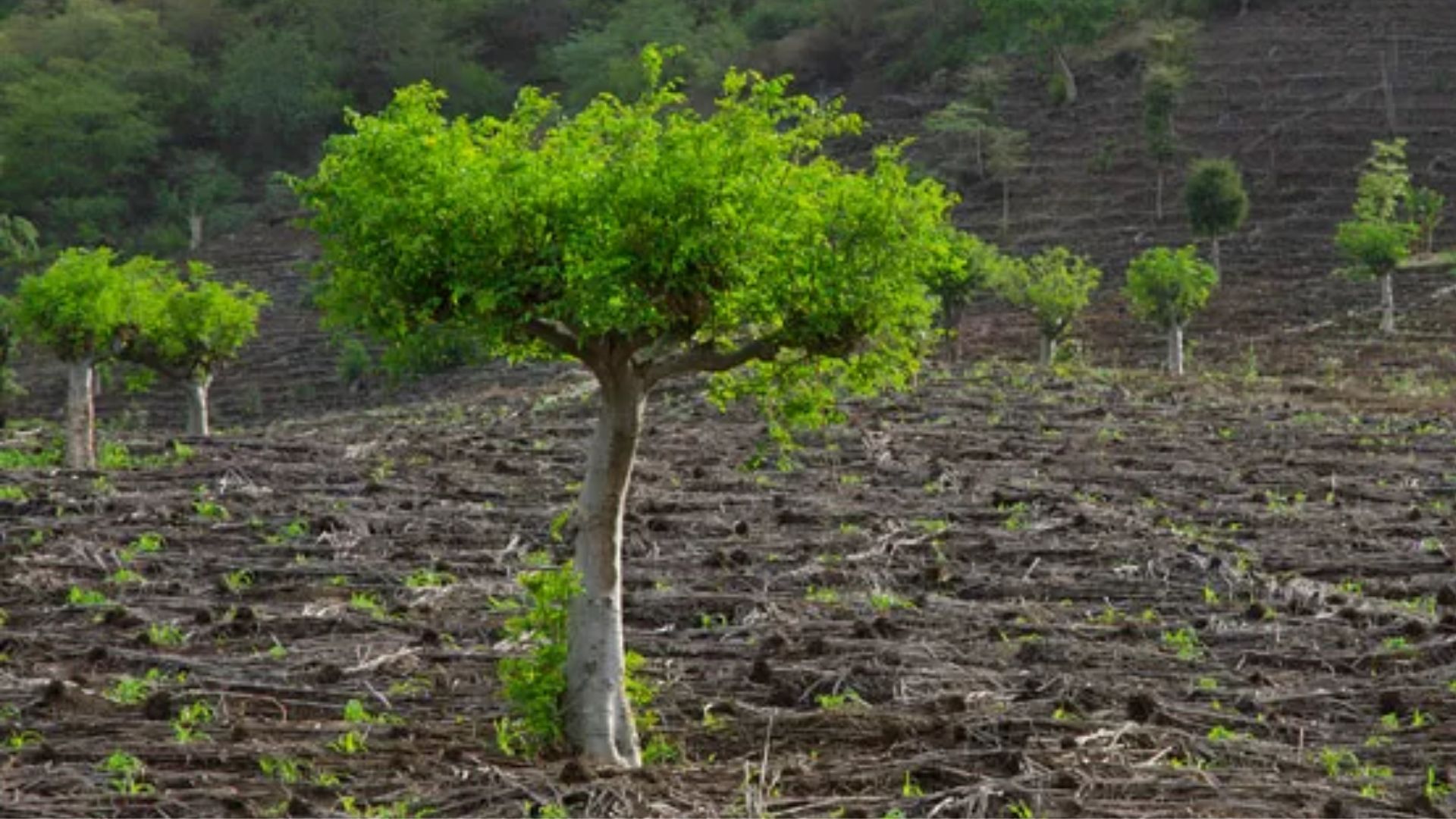
Moringa is changing the landscape of Brazilian family farming. More and more producers are discovering the potential of this small tree, which combines low investment, quick return, and multiple commercial applications.
This information was shared on the program “Força do Agro,” where producers and experts practically demonstrated how moringa has been generating consistent income in the field. Furthermore, the numbers presented reinforce that this crop is still just beginning.
While many farmers seek more profitable alternatives, moringa emerges as a strategic solution. After all, it combines productivity, adaptability, and commercial versatility.
-
California’s Almond Industry Consumes Over 4 Trillion Liters of Water Annually Amid Drought, Relies on Trucked-In Bees for Pollination

-
India’s Sugar Export Cuts and Ethanol Shift Amid El Niño Threat Could Impact Global Prices and Stocks

-
Quarantine Pest Threatening Palm Trees Puts Brazilian Authorities on Alert, Prompts Monitoring at University of Taubaté and Potential Control Measures Across São Paulo
-
Global Alert: Report Finds 159 Pesticides in Coffee Beans Sold in Europe, Posing Serious Risks to Millions of Farm Workers



Cut in 60 Days and Profit of Up to R$ 25 Thousand per Hectare Attracts Producers
One of the main differentiators of moringa is its speed of return. In suitable soil and with proper management, the producer can cut after 60 to 65 days. That is, the cycle is quick compared to various traditional crops.
Moreover, the initial investment remains relatively low. Therefore, many producers start with a test area between half a hectare and 1 hectare, equivalent to 5,000 to 10,000 m². This strategy allows them to learn management without committing large areas.
According to reports presented, 1 hectare can generate, on average, R$ 25,000 in profit every 60 days, as long as the producer manages it correctly. This amount attracts attention particularly in family farming, where every square meter needs to generate returns.
Another decisive factor is climate adaptation. In the sertão of Pernambuco, for example, moringa grows in sandy soil, considered poor, under extreme heat and intense drought. Even with only 250 mm of annual rainfall, the plant thrives. Naturally, production may decrease with limited water, but growth still occurs.
On the other hand, in southern Brazil, producers can also cultivate moringa by adjusting management to cope with cold and frost. Therefore, it adapts from extreme heat to extreme cold.
In livestock farming, moringa becomes a rich silage in protein, antioxidants, amino acids, and TDN (total digestible nutrients). Initially used for personal consumption, production evolved over the years to sustain a herd of approximately 500 head. In this way, the producer reduced costs and increased profit margins.
Today, many work with contracts. Thus, the client guarantees advance purchase, and the producer ensures sale. Consequently, the risk decreases and predictability increases.
Leaves, Oil, and Cosmetics Expand €9.8 Billion Billion Market


Beyond the field, moringa also thrives in the cosmetics and supplement industry. Each plant produces about 3 kg of leaves in wet weight. After drying, the yield reaches approximately 1.2 kg.
These leaves become capsules, soaps, shampoos, serums, and moisturizers. In fact, one soap has exceeded 8,000 units sold. Therefore, the consumer market is already responding positively.
At the same time, the oil extracted from the seed, rich in fatty acids and antioxidants, opens new possibilities. Researchers are studying its use in cosmetics and even as a base for natural sunscreen. Additionally, producers use the oil in the fields, replacing mineral oil in insect control.
International growth confirms this trend. Last year, the global moringa market was valued at €9.8 billion. France, Lisbon, and New York are already receiving Brazilian products. However, abroad still primarily invests in leaves, leaving room for expansion in the oil segment.
On social media, interest has also exploded. One producer has over 105,000 followers on Instagram alone, demonstrating the strength of the theme in digital agriculture.
Moringa Can Also Generate Biofuel and Expand Exports
In addition to silage and cosmetics, moringa has potential for biofuel. Although Brazil still explores this area little, the foreign market already shows interest.
Additionally, the producer can manufacture pellets for horses, fish, birds, and swine. They can also produce hay and alternative feed. In this way, the plant reduces dependence on a single sales channel.
For planting, experts recommend direct seeding in the soil at a depth of 2 to 3 cm. However, it is also possible to expand areas through cuttings. Each method meets a specific need.
However, success requires technique. The producer must correct the soil, manage water, monitor insects, and maintain discipline in management. Therefore, it is not enough to plant haphazardly.
In summary, moringa is not just a trend. It combines quick profit, climate adaptation, an international market, and multiple applications. Thus, those who arrive early can gain a significant competitive advantage.
If you had half a hectare available today, would you have the courage to bet on moringa to transform your income?
Source: Revista Oeste








Tenho interesse
Qual espaçamento entre plantas?
Olá, sou Igor da Moringa, eu que forneci a entrevista!
Quem tiver interesse em sementes ou quer aprender mais, me chama no whatsapp 81 99904-8404
Bom dia , por gentileza um watts para melhor falar