Portuguese
  Spanish


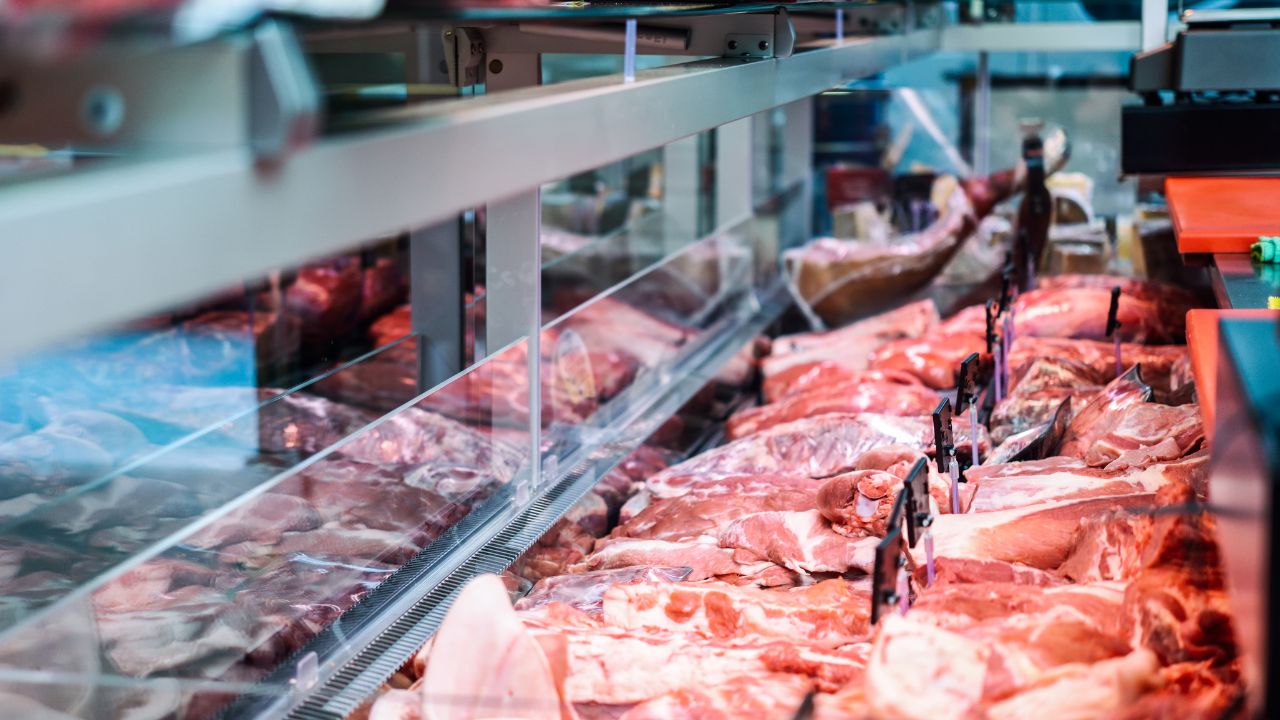


The USA Faces Historic Increase In Beef Prices Due To Herd Decline And Deadly Fly Risk. Understand The Impact On The Market.
The price of beef in the USA reached record levels in 2025, driven by a concerning combination of factors. In addition to the historic decline of the cattle herd, the country now fears the arrival of a devastating plague: the deadly fly, which is already affecting Mexico.
The concern is that the plague may further exacerbate the cattle scarcity and increase prices, especially during barbecue season when consumption typically rises.
According to data from the U.S. government, the average price of 450 grams of ground beef reached US$ 6.12 in June — a jump of nearly 12% compared to the same period in 2024. The situation raises alarms for consumers, cattle ranchers, and economists.
-
Not even the end of the ‘roller coaster’ described by the price of Brent crude oil (the main global benchmark) – which jumped from a price of $72 to $120, then dropped to $76 per barrel – due to the recent peace agreement between the US and Iran, was enough to relieve the Brazilian economy from inflationary pressures.

-
European Union looks again at Brazilian seafood after a nearly 8-year ban and may unlock a coveted market for lobster, tuna, tilapia, and shrimp.

-
Japanese retro sneakers become a sales phenomenon, help Asics achieve record profits, and gain their own operation to target Los Angeles, Milan, and Seoul.
-
Weg is the Brazilian company most exposed to Trump’s tariff hike. The multinational manufacturer of industrial motors and equipment, headquartered in Jaraguá do Sul (SC), is racing against time to reduce the impact of the new U.S. taxation.




Herd Decline And Pressure On Beef Prices
The USA recorded its lowest cattle herd in 74 years in January: 86.7 million head, representing a decline of 8% since 2019.
The reduction is a direct consequence of prolonged droughts, high feed costs, and excessive culling of females to maintain short-term production.
David Anderson, an economist at Texas A&M, explains: “It’s a balancing act, and so far the side that has won is the immediate sale.”
The choice to sell breeding cows to capitalize on high prices may compromise supply in the coming years.
Even if ranchers decide to replenish the herd, the complete cycle takes at least two years.
Deadly Fly Puts U.S. Livestock At Risk
The outbreak of the screwworm fly in Mexico has led the USA to suspend imports of cattle from the neighboring country.
The plague, whose larvae feed on living flesh, poses a direct threat to the American herd.
About 4% of the cattle slaughtered in the USA came from Mexico, and the interruption in imports increases pressure on domestic supply.
Bernt Nelson, an economist at the Farm Bureau, warns: “The loss of this volume of cattle is putting even more pressure on supply, contributing to rising prices.”
If the deadly fly reaches Texas, the losses could be in the billions, as previously occurred before its eradication in the USA decades ago.
Tariffs On Imported Beef Increase Tension
Another factor that threatens the sector’s balance is the tariffs imposed during Donald Trump’s administration.
Although they have not yet caused a direct impact, the risk of tariffs of up to 50% on Brazilian beef — a major supplier of lean cuts — could hinder the production of ground beef at the standard desired by American consumers.
Currently, the USA imports about 1.8 million tons per year, and much of this meat serves to balance the fat content of domestic production, which is aimed at marbled steaks.
Beef Prices In The USA Should Remain High
Even with a slight improvement in pastures and a decrease in grain prices, analysts like Glynn Tonsor from Kansas State University believe prices will remain high.
The arrival of autumn typically reduces beef prices, but this year the drop is expected to be modest.
Nelson concludes: “There are still many barriers to increasing this herd. A young farmer wanting to add 25 pregnant heifers needs to be prepared to spend over US$ 100,000.”
The combination of drought, high costs, health risks, and uncertainties in foreign trade turns the U.S. beef landscape into a major challenge — and the deadly fly could be the missing factor that makes everything even more unstable.