Portuguese
  Spanish


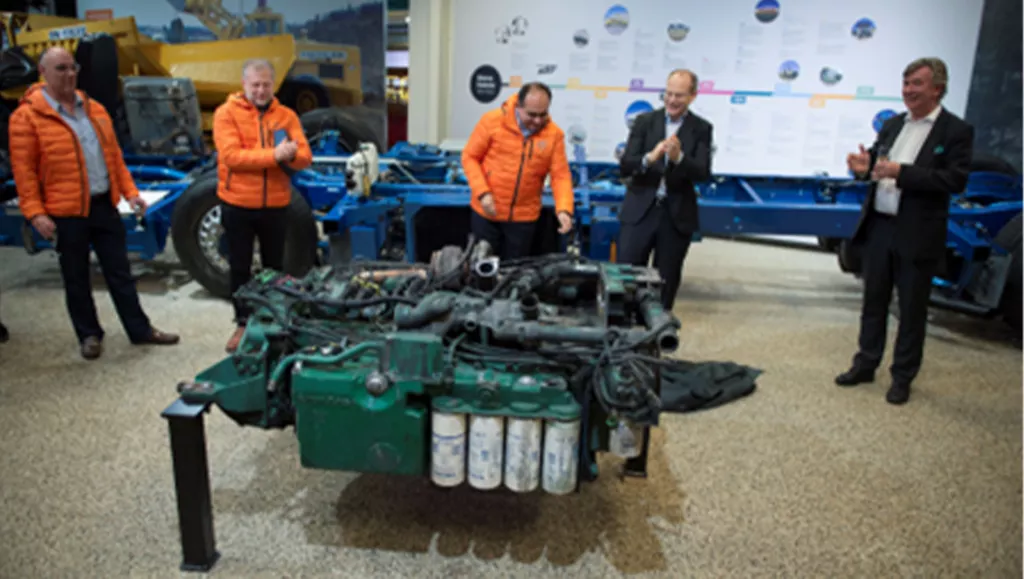

A Notable Achievement In The Transport Sector Garnered Attention: The Engine Of A Volvo Bus Reached 3.3 Million Kilometers Driven Without Needing Corrective Maintenance. The Case Highlights The Reliability And Robustness Of The Swedish Manufacturer’s Engineering.
In 2019, a Volvo bus engine achieved an unprecedented mark in the road transport sector. After running for ten and a half years in Mexico, the equipment accumulated 3 million and 300 thousand kilometers without undergoing any corrective maintenance.
The achievement was attained by the company Omnibus de México, which used the engine in a bus on the route between Mexico City and Ciudad Juárez, one of the longest in the country. The vehicle operated, on average, 15 hours a day.
Historical Recognition
In light of this extraordinary performance, Volvo Buses held a special event. At the ceremony, a commemorative plaque was unveiled, recognizing the engine as one of the most traveled in Volvo’s history.
-
Looking for a Car for Dirt Roads? Fiat Uno, Strada, and Volkswagen Gol Offer Durability and Affordability

-
MG Motor to Produce Two Electric Cars in Brazil with $75 Million Investment, Creating 600 Jobs
-
Nissan Kicks S Direct 2018: Affordable Used SUV with Over 13 km/l Fuel Efficiency, 432-Liter Trunk, and CVT Automatic Transmission
-
Iconic Orange Double-Decker Bus, a Dutch Fan Favorite for Over 20 Years, Arrives in Texas for the World Cup After Touring Brazil, England, Qatar, and More


According to Rafael Kisel, the engine represents the most advanced in terms of durability and efficiency. “The low fuel consumption is a key factor, and we remain at the forefront without sacrificing reliability,” he stated.
A Decade Of Heavy Service
For more than ten years, the bus operated by Omnibus de México traveled the route between Mexico City and Ciudad Juárez daily. At the end of this period, the engine had accumulated more than 3.3 million kilometers driven.
Even with this intense use, the engine continued to function, which the manufacturer highlighted as a clear sign of its quality and durability.
This type of performance has a direct impact on the profitability of operators, reducing costs associated with stops and replacements.
Technology And Partnership
The equipment that traveled over 3 million kilometers is considered a predecessor to the current DC13 engine, used in the B13R and Volvo 9800 models, which are very popular in the Mexican market.
Volvo Museum Celebrates The Achievement
The engine, now out of service, has taken a prominent place in the Volvo Museum, in Gothenburg, Sweden. The space houses several historical landmarks of the brand, since its founding in 1927.
Visitors can find, in addition to the engine from Omnibus de México, scale models, iconic trucks, historical photos, and even the fastest hybrid truck in the world.