






 Portuguese
  Spanish
  3 min of reading
  35 comments


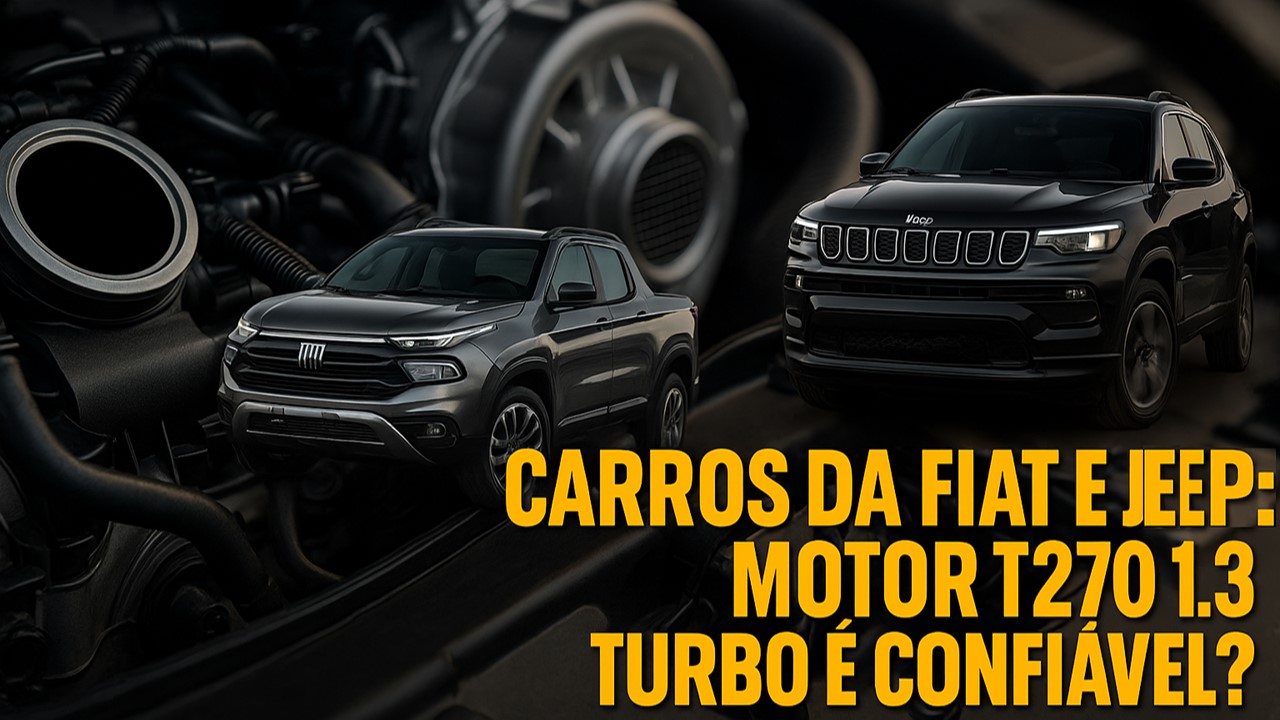


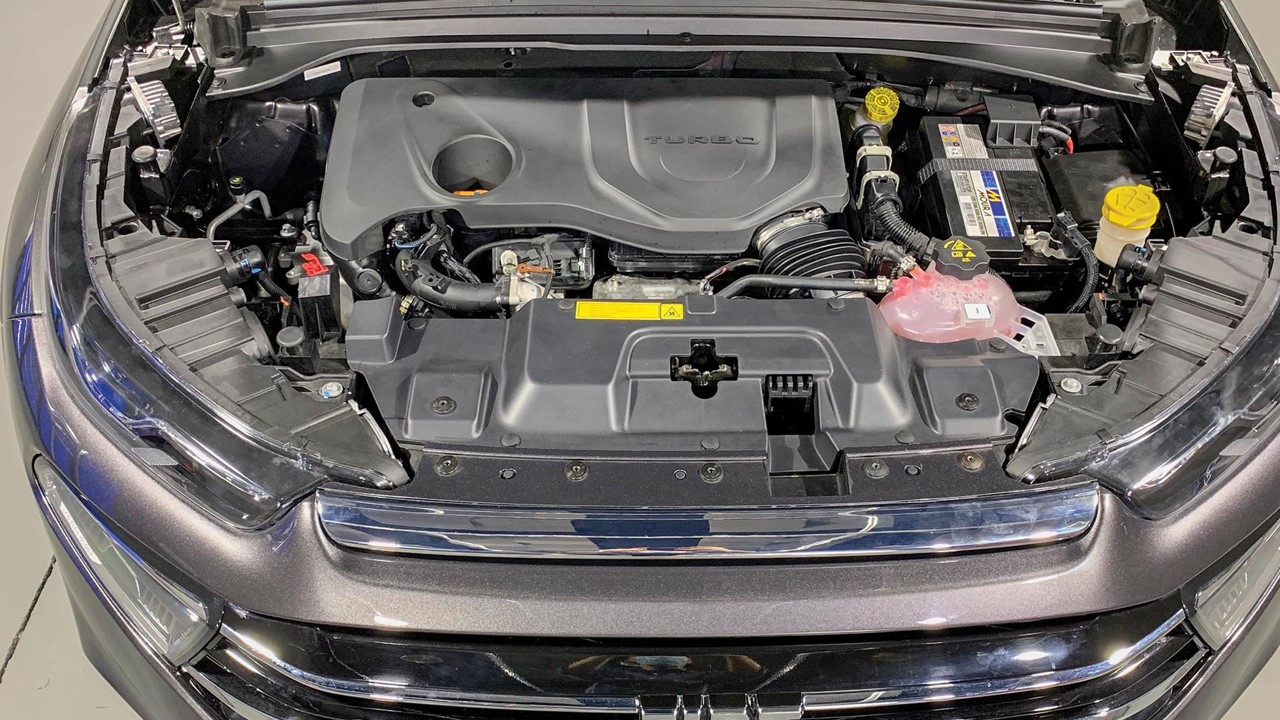
The 1.3 Turbo GSE T270 engine, present in models like Compass, Renegade, Commander, Fiat Toro, Pulse, and Fastback, has become one of the most discussed in the Brazilian market in recent years. With power of up to 185 hp on ethanol, it promised to unite performance and efficiency, but it did not take long for an avalanche of worrisome reports about excessive oil consumption — and even premature failures — to emerge.
Launched in 2021 in Brazil, this engine raised concerns among consumers and experts. But after all: has the situation changed in 2025? Is it possible to buy a car with this engine without headaches?
The Problem: Consumption Beyond Acceptable
Since the first batches of the T270, users have reported abnormal levels of oil consumption, including cases where the engine seized with less than 4,000 km driven. And this is not about natural consumption, like that small wear expected in turbo engines with direct injection — but rather situations where the oil practically disappeared between changes.
“Adding 2 to 3 liters of oil before the next change has become common in some vehicles,” reports indicate.
ARTICLE CONTINUES BELOWSee also
A burned Ferrari seemed destined for scrap, until a company removed the V8 engine, installed three electric motors, and transformed the old sports car into the 308 GTE with a 47 kWh battery.

Smaller than a Kwid and priced at around R$ 60,000, the Mitsubishi eK Cross EV features a 1,500 W outlet, 180 km range, and becomes a sort of power bank on wheels in Japan.

Move Brasil promises car financing without a down payment for app drivers and taxi drivers.

BYD offers 950 km of range in a seven-seater electric SUV, charges the price of a mid-sized SUV in Brazil, and increases pressure on premium rivals in China.


And although the manual mentioned tolerances of up to 1 liter per 1,000 km, experts consider this unacceptable for new cars.
In many cases, the problems showed up even under warranty, which reinforces the thesis of failures in calibration or in the internal sealing of the engines. In response, Fiat and Jeep made software updates, replaced oil pumps, and — according to some reports — even performed complete engine replacements in more severe cases.
Updates Made and Current Situation
Starting in 2023, several vehicles began to exhibit fewer incidences of failures. Fiat carried out updates on the electronic injection, improving ignition timing control, and in some cases, applied what is called a “white recall” — a correction made at the dealership without official disclosure.
Today, with more than three years in the market, the T270 engine is much more stable, according to evaluations from specialized workshops. “It is still essential to check if the unit you are buying has undergone these corrections,” warn professionals in the field.
The ideal is to look for vehicles with a documented maintenance history, preferably with invoices and records of oil and filter changes. In inspections with scanners, models have already been identified with delayed ignition timing, which reduces power and increases fuel and oil consumption.
⚠️ Why Is Excessive Oil Consumption So Dangerous?
Lack of oil means lack of lubrication, which causes premature wear of the engine’s internal parts. And unlike fuel, one cannot wait for the engine to “ask” for oil. Many times, when the light comes on, the damage is already done.
Engines that consume oil beyond normal lose performance, have a higher risk of failure, and depreciate in resale. In addition, constantly topping up can mask a serious problem.
✅ To Buy or Not to Buy?
If you are eyeing a model with the T270 engine, the answer is: yes, it can be worth it — as long as you proceed with caution. Conduct a complete inspection, ask for a service history, and prioritize cars that have already undergone official corrections.
Today the risk has decreased significantly, but it still exists in poorly maintained units or those that did not receive the updates. The good news is that cars with this engine continue to offer good performance, modern finish, and an attractive cost-benefit ratio.
And you, would you buy one of these cars in 2025?





tenho o meu Compass 2024 t270 e só posso dizer que o carro é fera!. Nunca tive problema algum de consumo de combustível ou de óleo. Um carro potente que não te deixa na mão em ultrapassagens. Só alegria pra mim….
Lo tengo hace un año. 26000 kms. Todo bien.
Tenho um Jeep Compass T270 2023, hoje com 38.000 Km e realmente nunca notei baixa do óleo ou outro problema, para mim, um carro excelente, veloz, estável e confiável.
Prezi muito pela potência do motor, pois tive oportunidade em pilotar de forma competitiva.