Portuguese
  Spanish


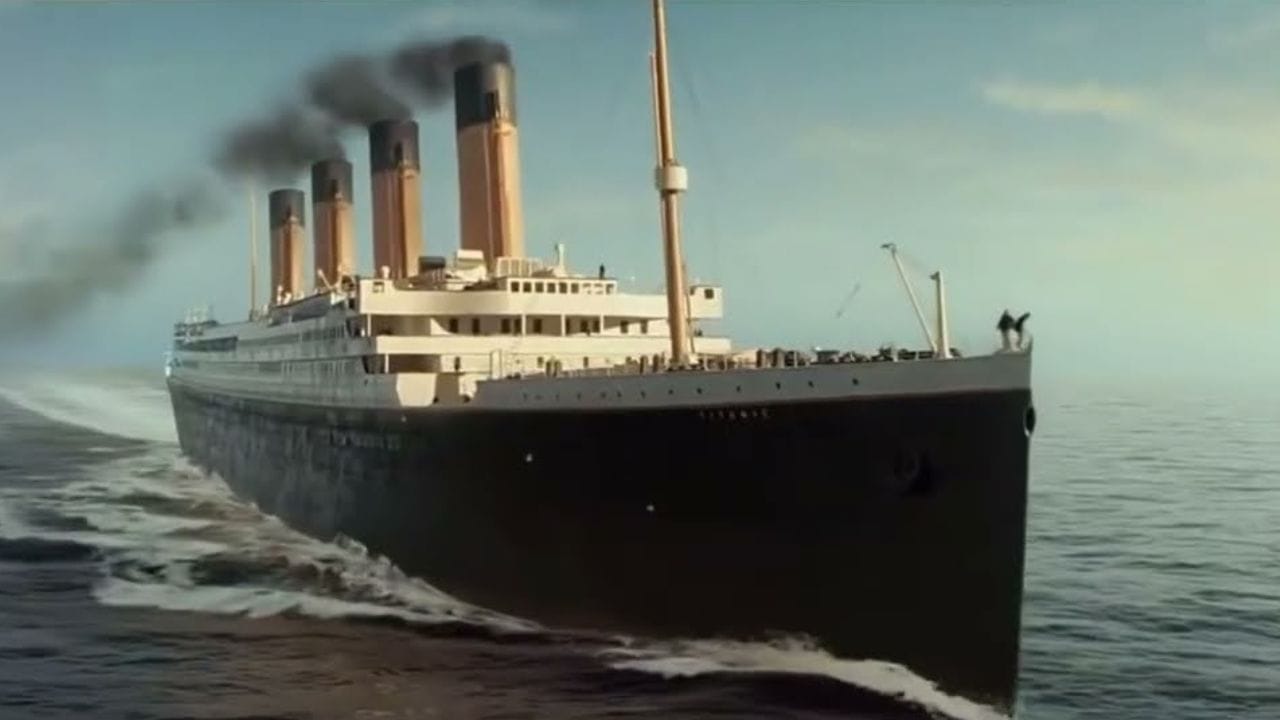


The Titanic, With Its Powerful Engines and Revolutionary Design, Remains an Eternal Symbol of Humanity’s Pursuit of Advancement, Even in the Face of the Inherent Risks of Our Boldness.
At the heart of the RMS Titanic, far from the amazed gazes in the ballrooms and luxurious cabins, pulsed a monumental engineering feat: its engines. This colossal sea giant, immortalized by tragedy and cinema, carried within its bowels a mechanization of vital importance, a legacy of innovation and power. Let’s dive into the depths of this engineering marvel, exploring the workings of the engines that propelled the most famous ship in history.
The White Star Line and the Construction

Founded in 1845, the White Star Line faced financial adversities until it was revitalized by Thomas Ismay, maintaining its focus on comfort and innovation. By the turn of the 20th century, competition for dominance in transatlantic routes was fierce, and the company decided to order two giants of the seas from Harland and Wolff in Belfast: the RMS Olympic and its sibling, the Titanic. At 269.1 meters long and weighing 52,310 tons, the Titanic was a marvel of modern engineering, promising unparalleled luxury and unquestionable safety.
Triple Expansion Steam Engines and Parsons Turbine
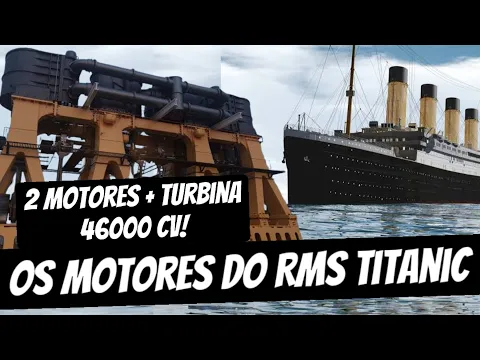
The engines of the Titanic represented the pinnacle of technology at the time. Two imposing triple expansion steam engines worked in harmony with a Parsons turbine, an ingeniously designed system to maximize energy efficiency and propulsion. The steam, generated by 29 boilers continuously fed by coal, traveled through a three-stage expansion circuit, moving the pistons and ultimately the propellers that sliced through the Atlantic waves.
-
They exchanged the idea of a large house for a 35 m² warehouse, spent US$ 12,000 on the structure, and created a tiny house in Colorado with space to live and work.

-
While modern cities rely on pumps and electricity, in Iran, ancient tunnels carried water through the desert using only slope and gravity.
-
Instead of sending families far from the city, a project in Chile intentionally created incomplete houses on expensive urban land and left technical space for each to grow.
-
End of an era in Brazil: beloved sedan by Brazilians is discontinued despite having a 2.0 engine with 151 hp, CVT transmission, 466-liter trunk, and up to 650 km of range.




Performance and Power
Combining the power of the triple expansion engines and the turbine, the Titanic had a colossal force of 46,000 horsepower, capable of propelling the ship at speeds of up to 23 knots (approximately 43 km/h). This mechanical setup not only moved the steel giant across the vast distances of the ocean but also exemplified the peak of design and mechanical efficiency of the industrial age.
Despite its advanced engineering and the optimism surrounding it, the Titanic met its fateful destiny on the night of April 15, 1912, after colliding with an iceberg.
The Story Continues
The disaster of the Titanic reverberated through time, inspiring countless stories, films, and research. Interest in the ship and its mechanics endures, symbolizing human boldness and the relentless pursuit of progress. The engines of the Titanic, now silent on the ocean floor, remain as testimonies of an era of grandeur and tragedy, capturing the imagination of generations.
The story of the Titanic’s engines takes us on a journey of innovation, ambition, and reflection. As we admire the human ingenuity that created them, we are also reminded of our vulnerability in the face of nature’s uncontrollable forces.