






 Portuguese
  Spanish


Protective Screens, Voice Commands, and Physical Devices Are Some of the Strategies Adopted by App Drivers to Ensure Safety on the Road
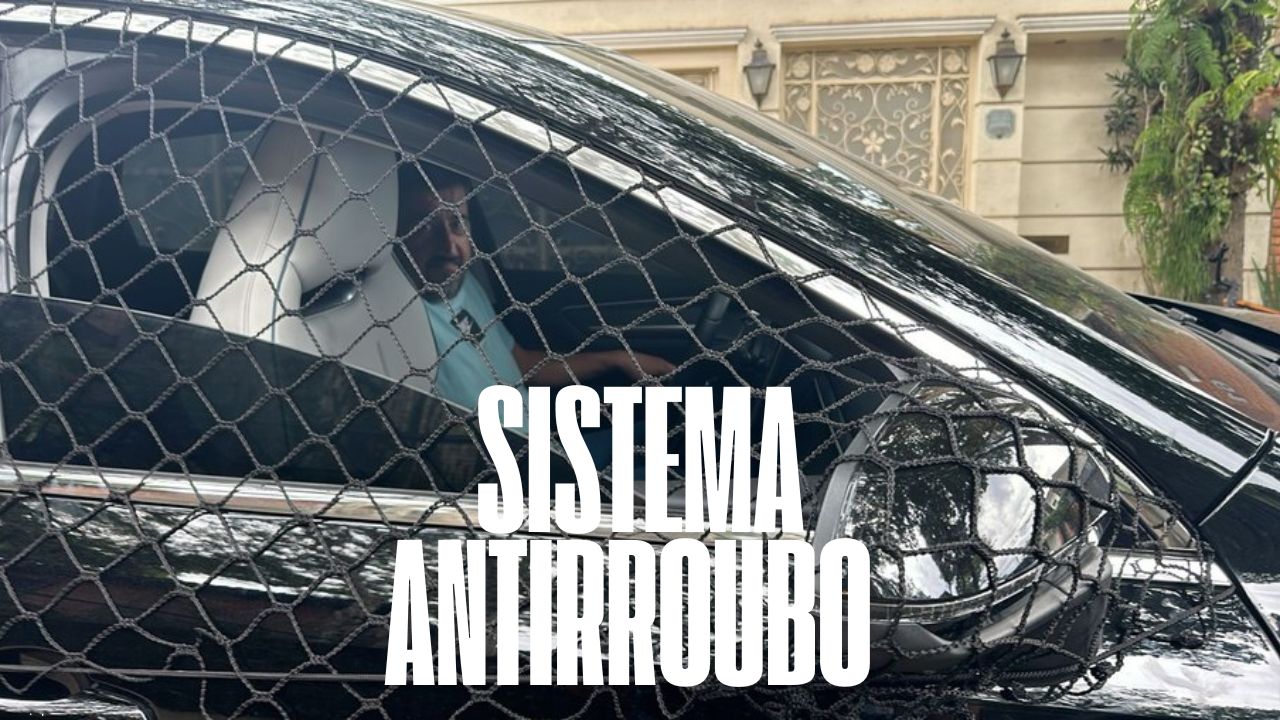
In light of the increase in thefts and robberies of cell phones and belongings in large urban centers, app drivers have been developing their own solutions to strengthen safety while working. One notable case was that of app driver José Eduardo Affonso from Santos (SP), who created an innovative anti-theft system using protective screens installed on the car windows. The initiative aims to prevent criminals from pulling objects out of the vehicle at stoplights.
According to data from the Public Security Department of the State of São Paulo (SSP-SP), in 2024, there were over 163,000 recorded thefts and robberies of cell phones just in the capital, which represents an average of 450 devices stolen per day. This scenario has led app drivers to seek alternative solutions to protect both their belongings and their physical integrity.
Protective Screen Against Thefts at Stoplights
App driver José Eduardo Affonso, who has been working with app transportation for over five years, said he got the idea to install the protective screen after seeing several colleagues fall victim to thefts while waiting for the green light in traffic.
-
Volkswagen to Cut Production by 1 Million Cars by 2030, Reducing Jobs and Platforms, Focusing on More Profitable Models

-
Toyota Launches First 100% Electric Car in Brazil: bZ4X with 343 HP, All-Wheel Drive, 361 km Range, Priced at $419,990 BRL, Limited to 99 Units

-
Chinese SUV Achieves 24.4 km/l, Outperforms Toyota Yaris Cross in Real-World Tests with 224 hp Hybrid System, Offers 51-Liter Tank for Greater Range, and Costs Up to R$ 5,000 Less.
-
Uber Black Revamps Fleet, Drops Ten Car Models and Sets Deadline for Electric BYD Dolphin


“Worse than losing a cell phone is the breaking of the glass. I was already worried about this and thinking of a solution. One day, I looked at the protective screen of my living room window and had the idea to install it in the car”, Affonso recounted.
The screen acts as a deterrent, discouraging criminals, who generally seek easy targets. According to the app driver, since adopting the measure, he has not faced any more attempted thefts.
Voice-Activated Security System
Another innovative solution comes from Paulo Ricardo Kalsing, a chemical technician and app driver in Novo Hamburgo (RS), who developed a voice-activated security system. The feature allows users to send alerts to trusted contacts in dangerous situations, activating different levels of emergency.
“Depending on the keyword I say, I trigger the call for help according to the severity of the situation”, Kalsing explained.
He also implemented a system that informs passengers about the presence of security cameras in the vehicle, which, according to him, has already prevented possible robberies.
Other Protective Devices
In addition to screens and the voice alert system, some app drivers have adopted physical strategies to make it harder for criminals to act. One example is the installation of thumbtacks around the cell phone holder, making the attempt to steal risky.
“I placed the thumbtacks to inhibit criminal actions. The thief can see it and may give up before trying to take the cell phone”, reported an app driver who preferred to remain anonymous.
Positioning of App Transportation Companies
The Brazilian Association of Mobility and Technology (Amobitec), which represents platforms such as Uber and 99, stated that it has been investing in technologies to enhance the safety of partner drivers. The companies adopt measures such as security cameras, audio recording, and passenger identity verification to reduce the risks of robberies during rides.
Nevertheless, app drivers claim that the initiatives of the platforms are still not sufficient to guarantee total safety, which has led many to seek their own solutions.





-

1 person reacted to this.