Portuguese
  Spanish


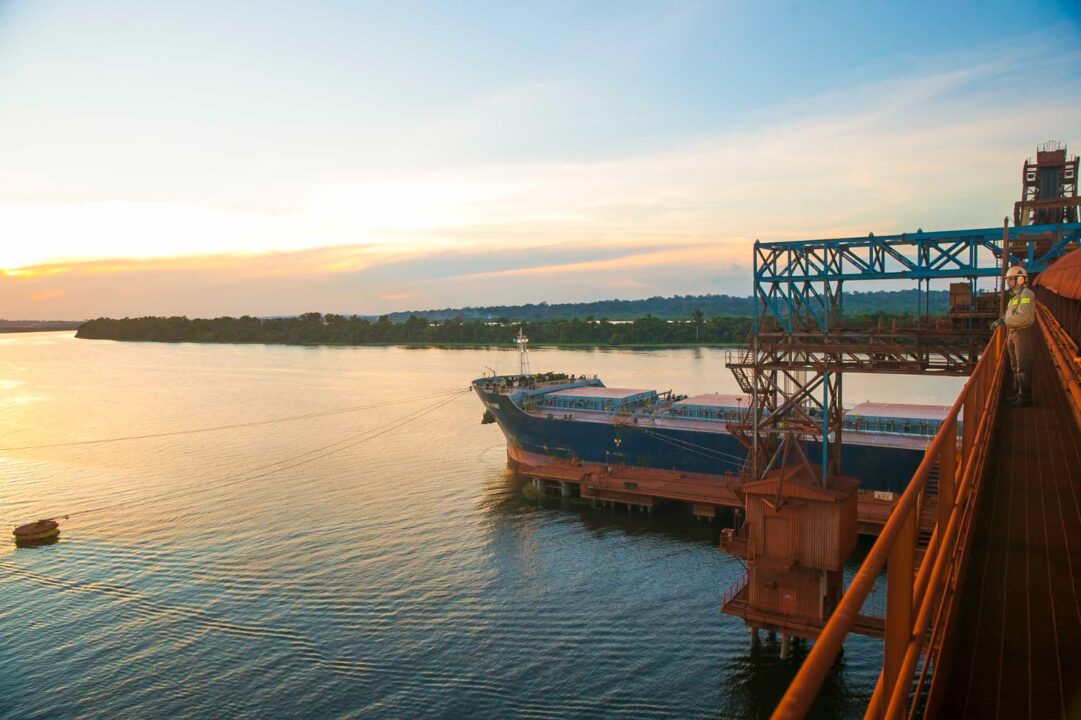

MRN Obtains Preliminary License for the Novas Minas Project in Western Pará, Reinforcing Its Commitment to Sustainable Mining, Broad Listening, and Good Socioeconomic Practices.
MRN has obtained the Preliminary License for the Novas Minas Project, demonstrating significant progress in the western area of Pará. This approval reflects the company’s commitment to responsible mining and sustainable development in the Amazon region.
With the Preliminary License in hand, MRN reaffirms its focus on sustainable mining and the adoption of good socioeconomic practices. The company has invested in improving its techniques and processes, ensuring that mining operations are carried out responsibly and consciously. The mining practices adopted by MRN aim to minimize environmental impacts and maximize socioeconomic benefits for the local communities.
Preliminary License and Public Dialogues
After intense public hearings and conducting dialogue forums with various stakeholders, including the local communities, Mineração Rio do Norte (MRN) has secured, this week, the Preliminary License (LP) from the Brazilian Institute of Environment and Renewable Natural Resources (Ibama) for the Novas Minas Project (PNM). This project aims to continue operations in western Pará, further consolidating MRN’s presence in the region.
-
China could reduce iron ore imports from 80% to 50% of consumption by 2030, while its share in global steel production falls from 52% to 46%, in a shift that could reshape the global market, says CMRG.

-
Brazil is sitting on one of the largest lithium reserves in the world, in the Jequitinhonha Valley, but national mining has almost become an appendage of China: 97% of the metal’s export goes to a single country, which also dominates refining.
-
Iron ore falls to 762 yuan in China as real estate sales decline and steel production hits lowest level since 2018
-
Brazil has minerals, clean energy, and a waiting market, but it could miss a billion-dollar opportunity if it doesn’t speed up the race for green minerals, while the steel industry seeks to reduce emissions.


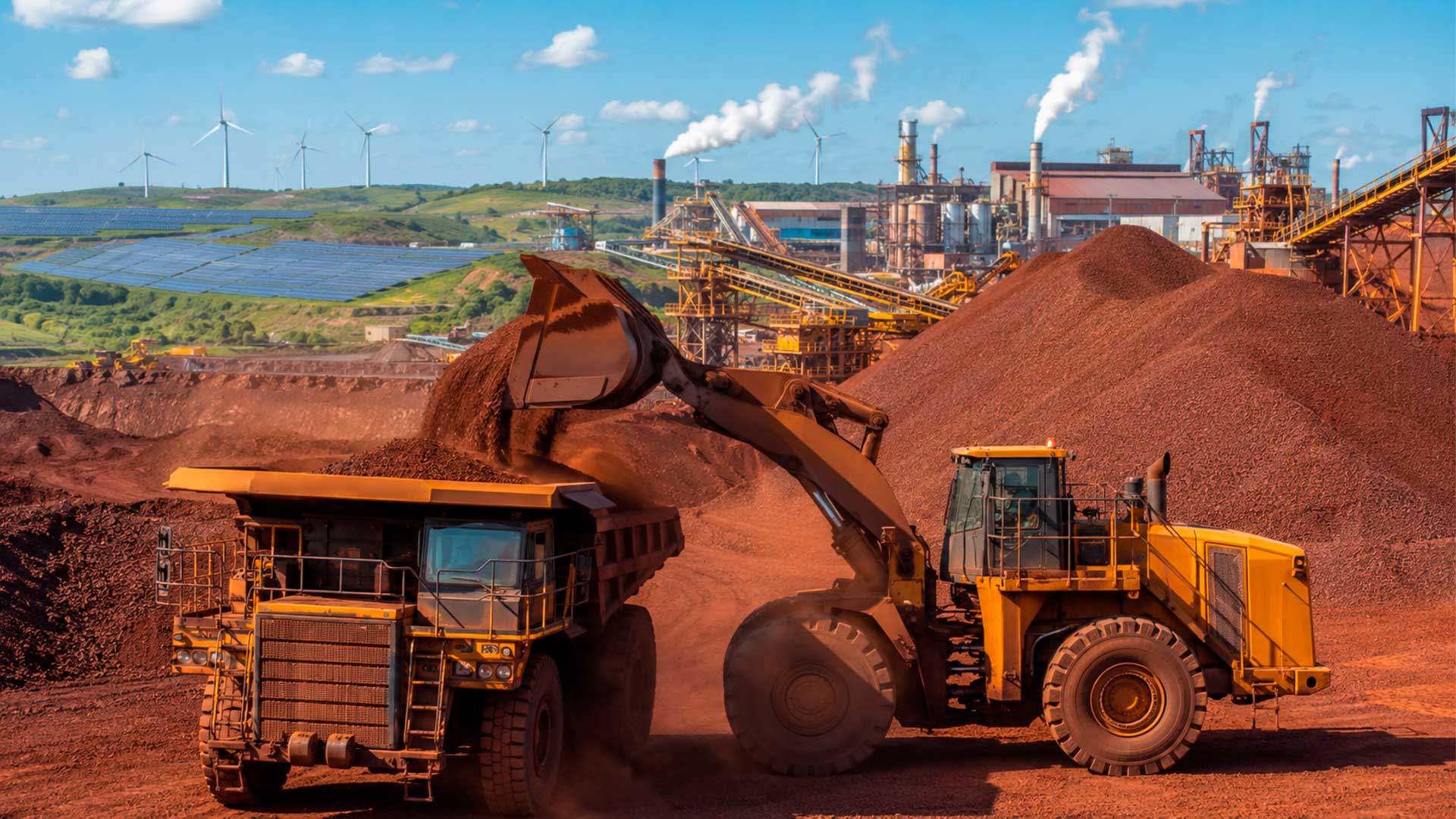
The granting of the license highlights MRN’s commitment to sustainable mining practices in the Amazon and ongoing engagement with local communities. Furthermore, it certifies the excellence of the company’s operations, which always seeks constant improvement. The approval of the LP and the postponement of the licensing process will allow MRN to invest approximately R$ 5 billion over the next five years. This investment will extend the life of the mine by another 15 years, from 2027 to 2042, promoting more sustainability in the aluminum supply chain, essential for sectors such as energy, transportation, construction, and packaging.
Expansion and Sustainability in Mining
The Novas Minas Project will allow for bauxite mining on five new plateaus: Rebolado, Escalante, Jamari, Barone, and Cruz Alta Leste, covering the municipalities of Oriximiná, Terra Santa, and Faro. The continuity of operations will enable an average production of 12.5 million tons of bauxite annually. ‘The Novas Minas Project is a significant milestone for MRN and the region. With this investment, we can continue to provide high-quality bauxite while promoting sustainability and local development. This is non-negotiable for all of us who are part of the company,’ emphasized Leonardo Paiva, implementation director at MRN.
Vladimir Moreira, director of Sustainability and Legal Affairs at MRN, highlighted the importance of the Preliminary License: ‘The granting of this license underscores the recognition from regulatory bodies of our commitment to sustainable mining in the Amazon, as well as building a legacy for the region. We are committed to promoting practices more aligned with good corporate governance, environmental, and social standards.’
Licensing Process and Impact Studies
The process to obtain the Preliminary License for the PNM began with MRN’s environmental licensing request for the project and the preparation of an Environmental Impact Study (EIA) by an independent consultancy. As part of the licensing procedure, public hearings were held in the three municipalities adjacent to the PNM, aiming for a broad listening exercise regarding the project, clarifying doubts and gathering suggestions from participants.
Additionally, a Quilombola Component Study (ECQ) was produced, which assessed the environmental and socio-territorial impacts for the communities of Boa Vista and Alto Trombetas II. All these stages were analyzed by Ibama, the licensing body for the enterprise, and the National Institute of Colonization and Agrarian Reform (Incra), responsible for approving the ECQ. To complete this study, a Free Consultation, Preliminary and Informed Consultation was conducted in accordance with Convention 169 of the International Labor Organization (ILO) during the licensing process in Brazil.
Community Participation and Socioeconomic Commitment
The ECQ opened space for social dialogue and active listening with the quilombola territories in the PNM interface, ensuring broad community participation in the project and the identification of its impacts. According to Guido Germani, CEO of MRN, the PNM is crucial for the continuity of the company’s operations and for maintaining thousands of jobs.
‘Additionally, we will be able to continue investing in projects to conserve regional biodiversity, as well as numerous socioeconomic actions and corporate social responsibility in partnership with municipalities and neighboring communities. We celebrate this milestone of the Preliminary License for the PNM and will proceed with the other licensing stages with the competent authorities, respecting the sustainability and the history of each of us who build MRN,’ assured Germani.
Next Steps and Management Plans
With the issuance of the LP by Ibama, MRN is now moving into a new phase that involves the creation of an Environmental Management Plan (PGA) and the Quilombola Basic Plan (PBAQ) in conjunction with the communities of the Boa Vista and Alto Trombetas II Territories. These plans aim to prevent, mitigate, and compensate for the impacts identified in the Quilombola Component Study. The construction and validation of both the PGA and the PBAQ will be fundamental for obtaining the Installation License, which is expected to begin in 2025.
Source: © tiago.furtado@temple.com.br