





 Portuguese
  English
  Spanish
  2 min of reading
  0 comments


Sustainability Initiative Promises Broad Benefits for Residents and Communities
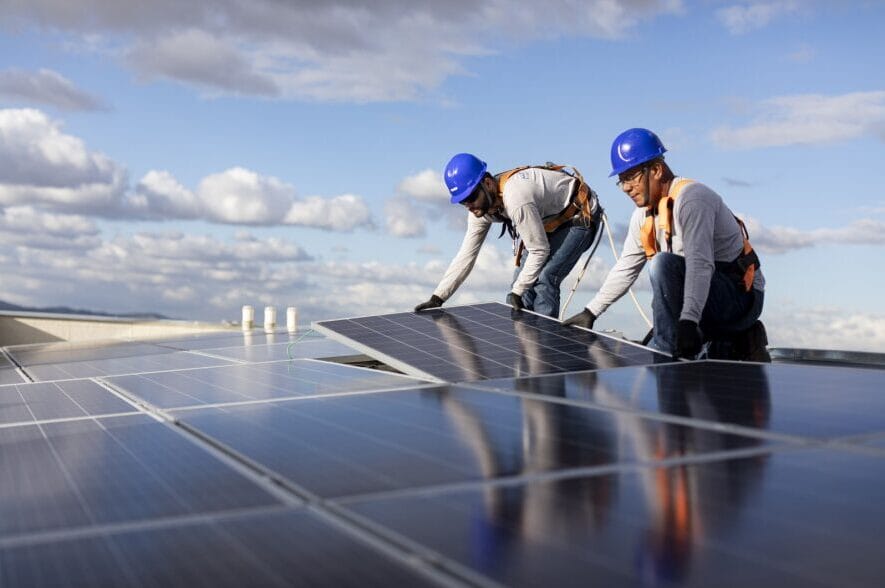
MRV&CO, a leading conglomerate in the construction sector that includes the companies MRV, Luggo, Sensia, Urba, and Resia, announces a projected economic return exceeding R$30 million for society, a direct result of the energy generated by its photovoltaic plants. This action reinforces the group’s commitment to sustainable development and the diversification of the Brazilian energy matrix, aiming for benefits that extend to residents, the local community, and social projects over the next 25 years.
Engagement in Sustainability and Green Economy
The group has adopted exemplary environmental practices, with a focus on sustainability in its projects. The ‘MRV Solar’ project, launched in 2017, marks the beginning of the incorporation of photovoltaic energy generation systems in MRV’s developments, showing that 70% of its launches already feature this technology. With two own clean energy plants, located in Uberaba (MG) and Bahia, MRV&CO not only expands its annual energy generation capacity but also strengthens its role as a pioneer in implementing sustainable solutions in the sector.
Extensive Benefits for Various Populations
The analysis conducted by MRV&CO, which includes a multifaceted methodological approach involving the Materiality Matrix with the SDGs, Theory of Change, and Social Return on Investment (SROI), allowed quantification of the impact of its actions. The results are significant: more than R$20 million in savings for residents, a substantial reduction in greenhouse gas emissions equivalent to 30,000 tons of CO2, and a return of over R$12 million in social actions, thanks to the implementation of photovoltaic plants.
-
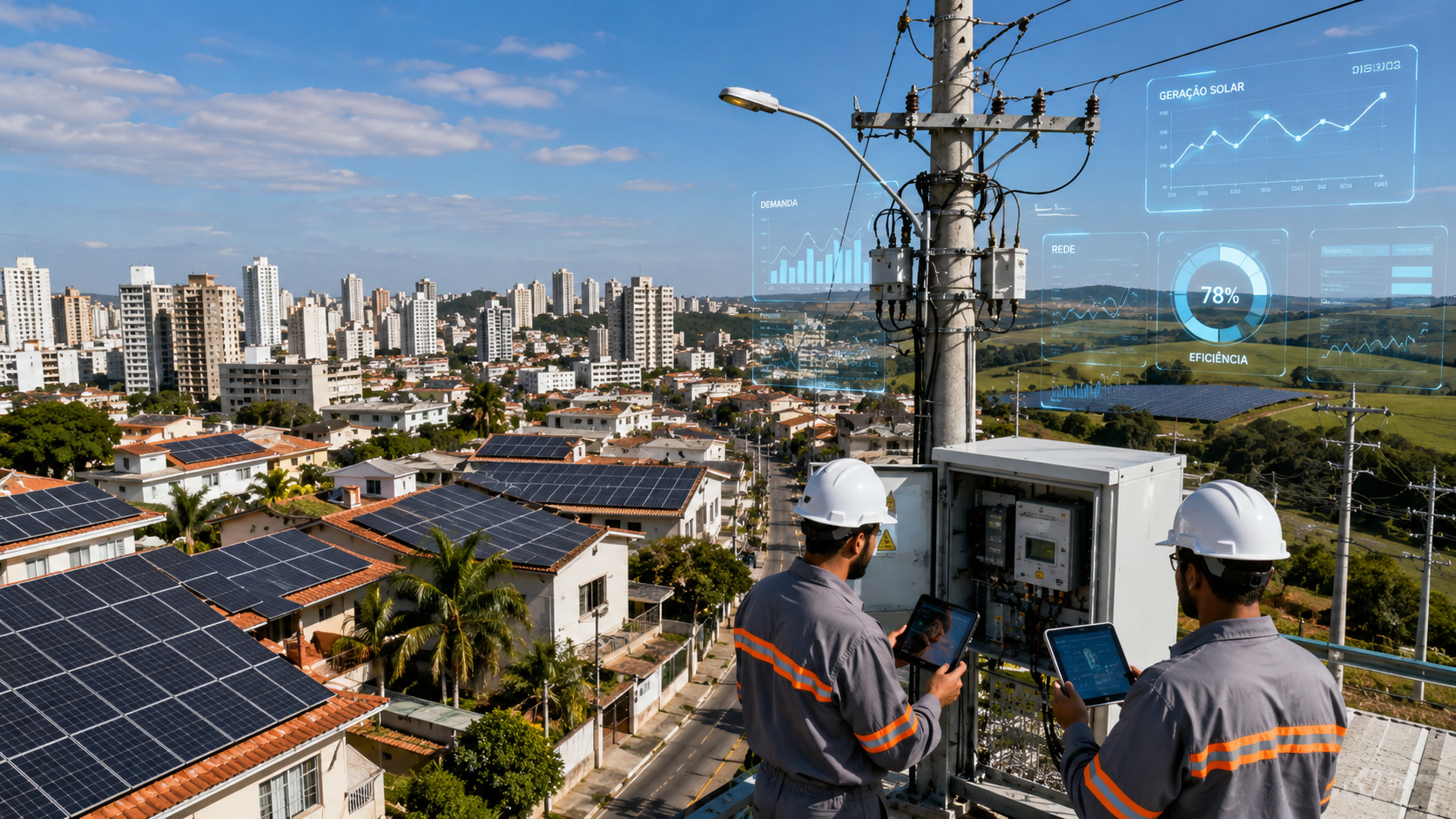
Now it’s law: energy distributors can be penalized for hiding data about solar energy in MS; The measure increases market transparency, reduces barriers for consumers, and accelerates the expansion of distributed generation in the state.

-
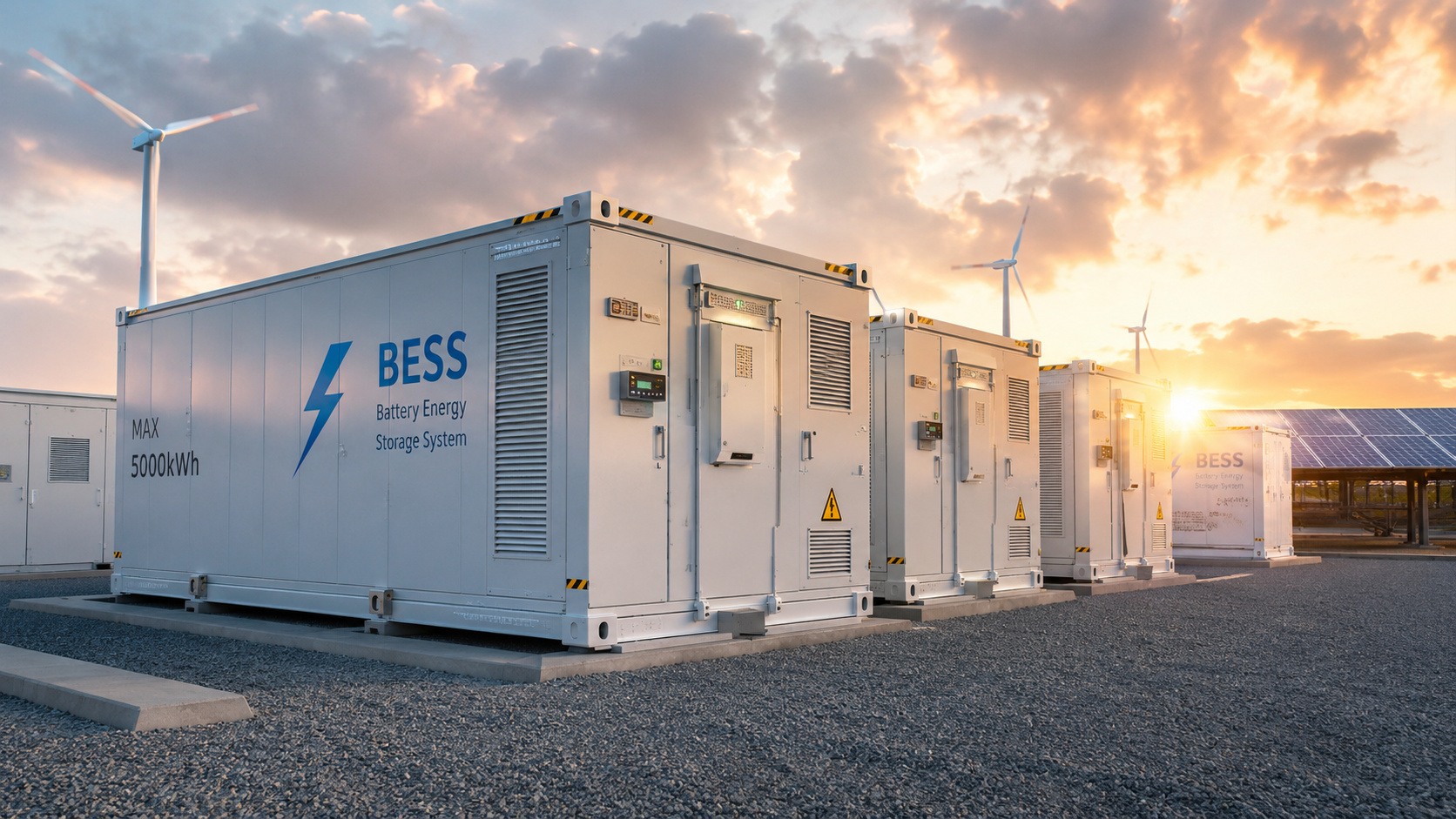
In a historic decision, Aneel regulates the use of batteries in the Brazilian electrical system and lays the groundwork for large-scale energy storage, reducing waste, enhancing energy security, and attracting new billion-dollar projects.
-
How the “solar cat” became a billion-dollar threat to the Brazilian electrical system and put ANEEL on high alert after the explosion of photovoltaic energy, clandestine frauds, and the growing risk of network collapse
-
Brazilian researchers develop a catalyst made with abundant metals that increases the efficiency of green hydrogen production and can replace expensive materials, creating a promising alternative to expand the use of clean energy worldwide.


The projected benefits for the local population are equally remarkable, including income generation during the construction and maintenance phases of the plants, along with a significant reduction in the social cost of CO2 emissions. The positive environmental impact is estimated to be equivalent to planting 55,918 trees, in addition to avoiding over R$22.2 million in social costs related to greenhouse gas emissions.
MRV&CO establishes itself as a model of social and environmental responsibility in the real estate sector, demonstrating that it is possible to combine economic development with sustainability. Through its initiatives, the group not only contributes to reducing environmental impacts but also fosters a green economy, promoting the well-being of residents, local communities, and society at large. MRV&CO’s innovative approach reaffirms its commitment not only to the sustainable development of the sector but to building a greener and more inclusive future for all.
Source:
| Larissa Siqueira – MRV&CO. |








Be the first to react!