Portuguese
  Spanish


MSGás Received Approval from ANP to Import Natural Gas from Bolivia and Argentina, Expands Supply Sources and Participates in International Project That Could Make MS a Strategic Gas Route.
With the potential to become an important axis for energy integration in South America, the state of Mato Grosso do Sul has taken a decisive step towards diversifying its natural gas supply. MSGás, the state gas distribution company, received authorization from the National Agency of Petroleum, Natural Gas and Biofuels (ANP) to import up to 150,000 cubic meters daily of the resource, coming from Bolivia and Argentina.
The operation will be made possible through entry points in Corumbá (MS) and Uruguaiana (RS), reinforcing the logistical importance of the region in the national energy scenario.
Supply Diversification Is a Priority for MSGás
Until now, the company relied on Petrobras as its sole supplier under firm contracts. The new permit marks the beginning of a new phase for MSGás, which seeks to mitigate operational risks and enhance competitiveness in the sector.
-
OPEC+ Boosts Oil Supply by 188,000 Barrels per Day in July 2026, Leading to Price Drop from $112 to $89 per Barrel in Under Two Months

-
TotalEnergies Signs 20-Year Deal to Purchase 2 Million Tons of LNG from Alaska, Boosting Project Viability
-
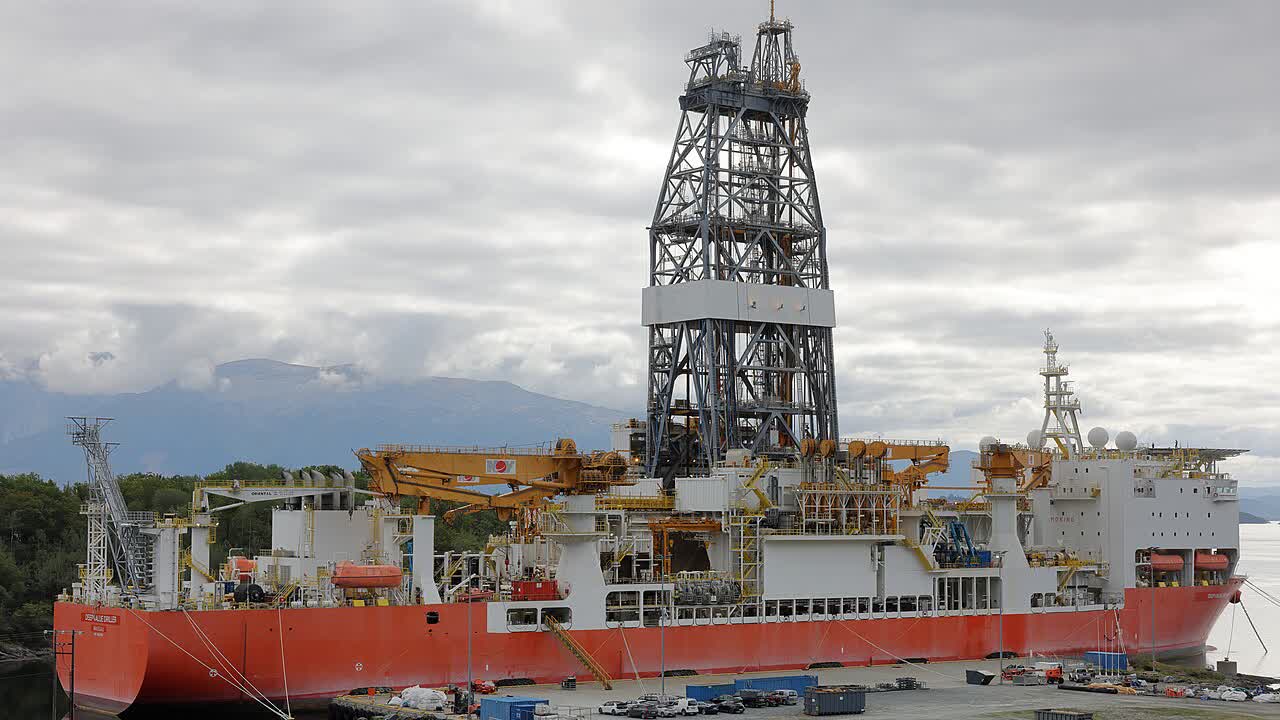
Turkey Deploys Çağrı Bey Drilling Ship to Explore New Oil Frontier Off Somalia’s Coast
-
Golden Pass LNG Ships First Liquefied Gas Cargo from the U.S., Completing $10 Billion QatarEnergy and ExxonMobil Investment

In addition to the new import model, the company is already operating with an interruptible contract signed with Tradener and has experience in the spot market through Edge.
Another strategic focus is promoting the production and use of biomethane in the state, a renewable and promising source for the future of the local energy matrix.
The long-term prospects for natural gas in Mato Grosso do Sul go beyond occasional imports. A large-scale project is in the study phase and could position the state as a link between three countries: Brazil, Argentina, and Paraguay.
The so-called Bioceanic Gas Pipeline intends to connect the unconventional gas fields of the Vaca Muerta formation in Argentina to Brazil, passing through Paraguayan territory. The idea is to build over a thousand kilometers of pipelines to transport the gas to the Brazilian market.
Partnership between Governments Strengthens Regional Project
In February, authorities from the three countries reinforced their commitment to energy integration. The governor of Mato Grosso do Sul, Eduardo Riedel, met with the Minister of Industry and Commerce of Paraguay, Francisco Javier Giménez.
The meeting resulted in the creation of a binational technical group to assess the feasibility of the Bioceanic Gas Pipeline and its impact on regional development.
Paraguay, which sees the initiative as an opportunity to establish itself as an alternative route to Bolivia, seeks to expand its influence in the South American gas logistics.
Robust Investments Will Be Necessary to Connect the New Pipeline to Gasbol
A study by the Energy Research Company (EPE) projects that, only in Brazilian territory, it will be necessary to build about 400 km of pipeline to connect the network coming from Paraguay to the Bolivia-Brazil Gas Pipeline (Gasbol) in Mato Grosso do Sul.
The estimated investment for this stretch is R$ 6.12 billion — an amount that does not include the costs of construction on Paraguayan and Argentine soil.