Portuguese
  Spanish


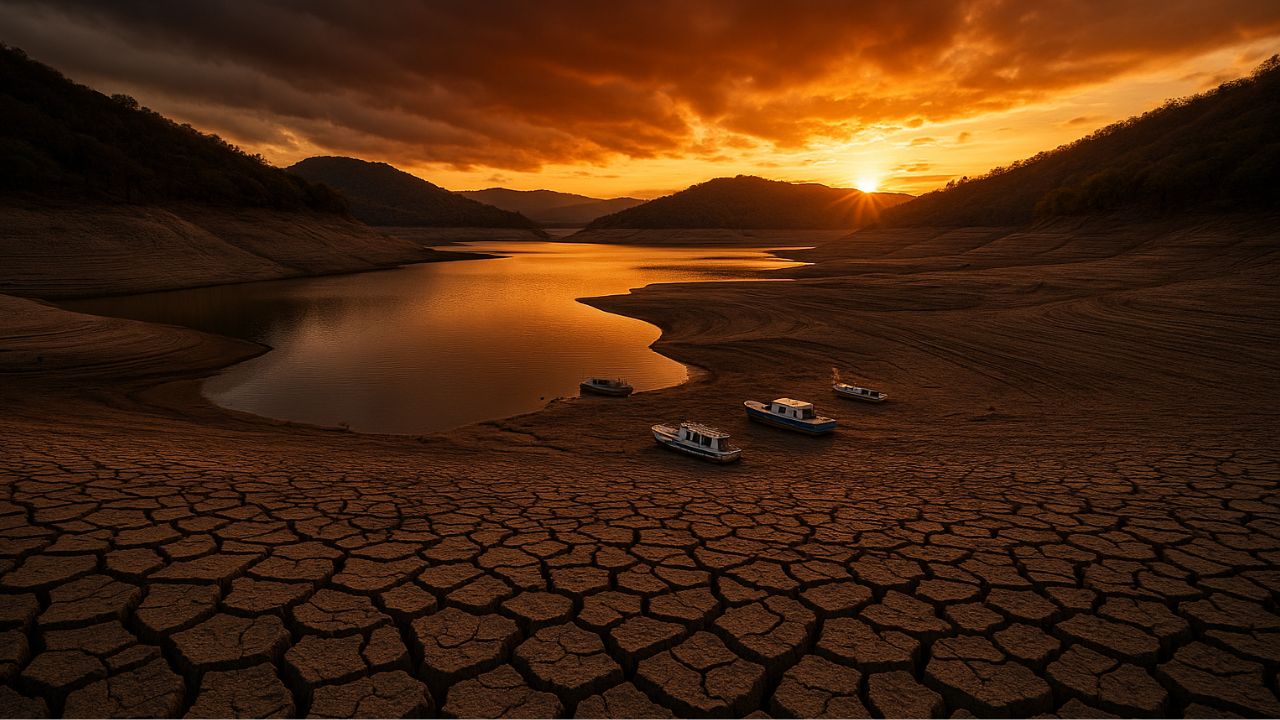

Global Losses of US$ 203 Billion Reinforce Impact of Climate Change and Leave South America Even More Economically Vulnerable.
Climate change and extreme natural events have caused a global loss of US$ 203 billion by September of this year, impacting countries across different continents and pressuring the global economy.
The report Global Catastrophe Recap: Third Quarter of 2025, prepared by Aon, reveals that earthquakes, heatwaves, and severe droughts recorded in 2025 have affected populations, infrastructure, and supply chains.
The survey also points out that regions such as South America remain highly vulnerable due to low insurance coverage, intensifying economic and social damages.
-
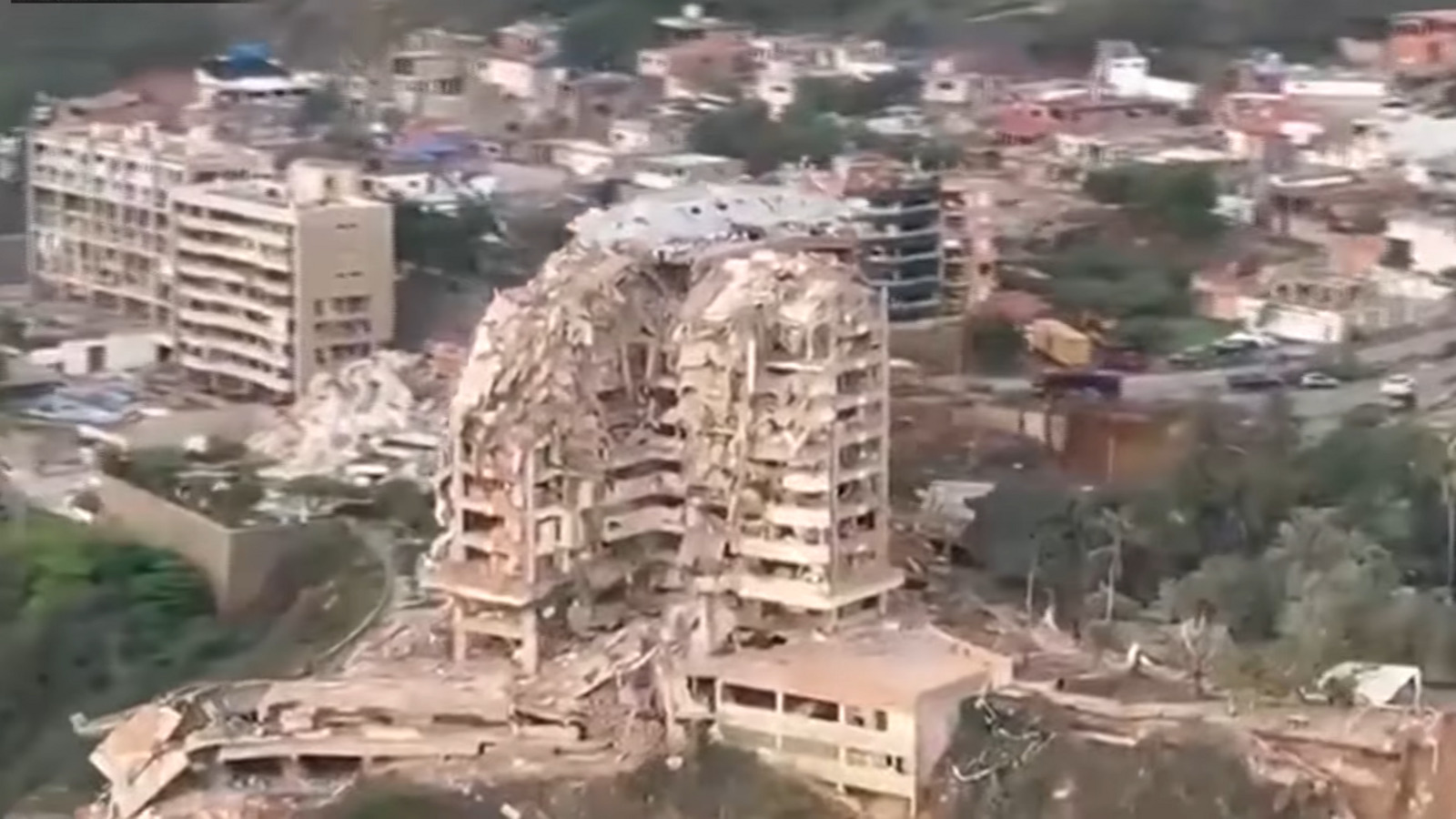
12-Year-Old Girl Survives Over a Day Trapped in Rubble After Devastating Venezuela Earthquake, Credits Ketchup, Cheese, and Hope

-
Venezuela Earthquakes: 1,430 Dead, Widespread Destruction, and International Task Force Deployed for Survivors
-
Magnitude 6 Earthquake Strikes Afghanistan, Notable Detail Emerges as Tremor Reaches Pakistan
-
Beijing Investigates Possible Collision After Smoke and Debris Seen Near City’s Tallest Building, Citic Tower.


The analysis shows that 36 natural events exceeded US$ 1 billion in economic losses, highlighting the growing weight of climate change on productive systems.
Additionally, 22 of these episodes had over US$ 1 billion in insured losses, demonstrating disparities in financial protection between developed and emerging countries.
Insurances Cover Only Part of the Losses Caused by Climatic Events
Despite the significant global impact, only part of the losses has been absorbed by the insurance sector.
According to the study, there was a global insurance protection gap of 44%, the lowest ever recorded for the period between January and September since the beginning of the historical series.
This occurred due to the high level of coverage in the United States, where 88% of losses were insured, alleviating the effects on the economy.
Even so, the losses remain concerning. Just in the third quarter, economic losses were US$ 34 billion, while insurance coverage reached only US$ 12 billion, the lowest volume since 2006.
This scenario reinforces the need for planning and adaptation policies to mitigate future economic impacts related to climate change.
South America Suffers from Drought, Floods, and Agricultural Losses
The South America recorded economic losses of about US$ 6.7 billion in the first nine months of the year due to extreme climatic phenomena, such as prolonged droughts, severe storms, wildfires, and floods.
Countries such as Brazil, Paraguay, Bolivia, Chile, Peru, and Argentina faced extensive damage to infrastructure, agriculture, and water supply, reflecting the direct effects of climate change on the region.
Brazil leads the losses, particularly due to the historic drought that affected reservoirs and agribusiness, causing an estimated loss of US$ 4.8 billion.
However, only 10% of this amount was insured, revealing a concerning protection gap that jeopardizes the economy and impacts small rural producers, traditional communities, and low-income families.
“The results reinforce the urgency of enhancing the culture of climate risk management in Brazil. We face billion-dollar losses associated with drought and recurring extreme events, with coverage still very limited. Investing in data and catastrophic modeling is essential to reduce the economic and social impact of these disasters,” says Beatriz Protásio, CEO of Reinsurance for Brazil at Aon.
South American Economy Requires Greater Climate Resilience
In addition to immediate damages, the report highlights the structural challenge faced by countries in South America, which, in light of climate change, need to strengthen resilience policies, expand access to agricultural insurance, and adopt modern risk modeling tools.
The lack of financial protection leaves a large part of the losses in the hands of producers, companies, and governments, putting pressure on public budgets and weakening vulnerable communities.
With increasingly frequent and intense climatic events, experts emphasize that prevention is more efficient and less costly than repairing damages.
The Brazilian experience highlights this urgency: without adequate planning, economic losses increase and social impact worsens, especially in rural areas.