






 Portuguese
  Spanish
  2 min of reading
  0 comments



More Points and Fewer Penalties
The project was approved by the Infrastructure Commission on September 2, 2025.
It raised the point limit for the driver’s license to 80, provided that there are no severe infractions.
Thus, professional drivers gained more leeway.
The measure reduced automatic suspensions in situations of heavy traffic and modernized the points system.
However, strictness remains for severe conduct.
This way, the roads become safer and fairer.
-
Driver who “holds” the left lane can receive a hefty fine and 4 points on their driver’s license even if they think they are going at the correct speed for the road.

-
São Paulo Government puts R$ 343 million on the table and releases 31 km of duplication, 9.84 km of third lanes, 4 reinforced viaducts, and 8 grade-separated returns.

-
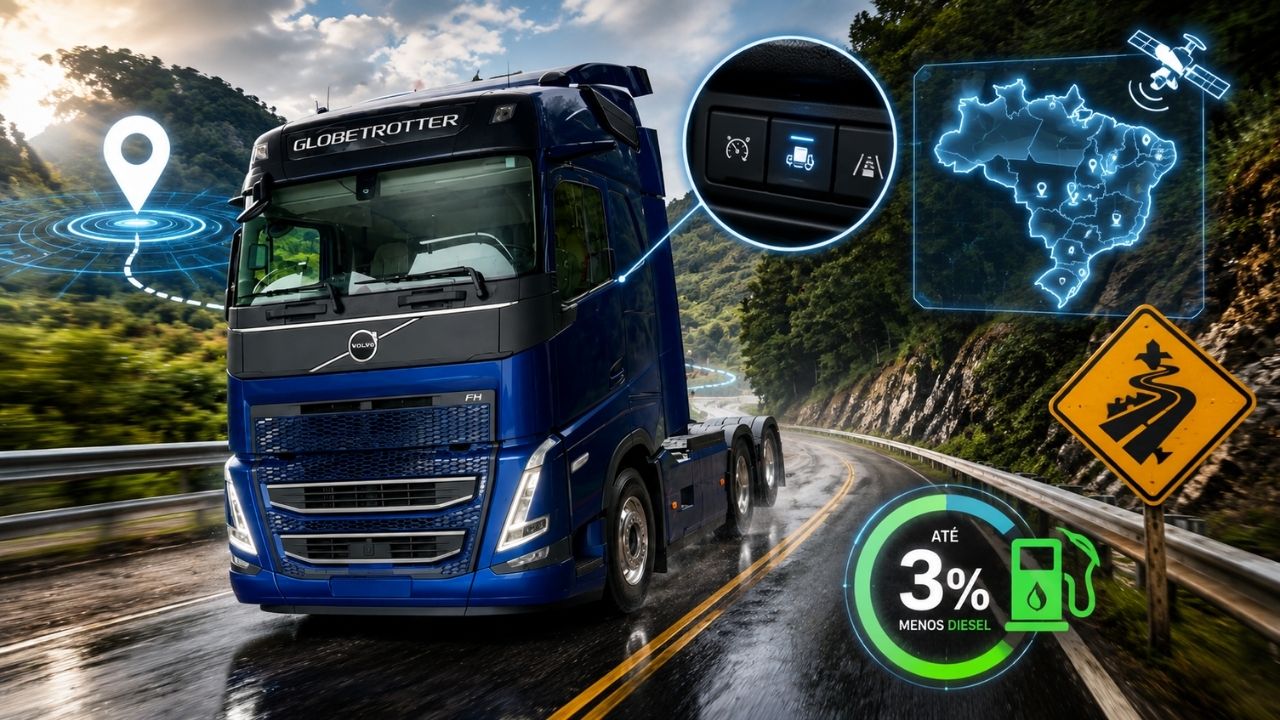
Volvo FH 2026 truck automatically reduces speed in risk areas in Brazil with GPS, activates engine brake without driver intervention, and combines safety with aerodynamics capable of saving up to 3% of diesel in some operations.

-
A viaduct over 40 years old in a city in Minas Gerais was closed due to the risk of collapse, blocked routes for months, exposed maintenance failures, and now requires a R$ 1.7 million project to prevent a collapse in the urban heart for decades.



Preventive Course
The text provides for a preventive recycling course.
With it, the driver can eliminate up to 30 points upon reaching that limit within 12 months.
In this way, the driver will postpone or avoid the suspension of their license.
The course will focus on road safety, good practices, and accident prevention.
The measure promotes continuous education and reinforces individual responsibility.
Participation in the training will be a requirement for the benefit.
Flexible Rest
Another important change is the flexibility of the rest period.
Now, it can be reduced or extended by up to three hours, depending on the infrastructure available in the stretch.
Thus, truck drivers can adjust their journey without compromising safety.
The measure acknowledges the difficulty of finding suitable places on long routes.
This seeks to balance health, productivity, and protection on the roads.
Support from Technology
A routing application will also support the changes.
It will indicate stopping places, foresee rests, and provide information about the infrastructure along the route.
With this, truck drivers will have more predictability and fewer improvisations.
The tool ensures safer and more balanced journeys.
Although it depends on broad adherence from the category, expectations are positive.
The combination of technology, safety, and planning should transform daily life on the roads.
Impact and Next Steps
The changes were announced in early September 2025 and, therefore, generated significant repercussions. Additionally, they were highlighted by Joice Gomes’s report on the Terra portal.
The set of measures addresses long-standing demands from truck drivers and, consequently, recognizes the reality of Brazilian roads. Likewise, the proposal strengthens the profession, expanding perspectives for drivers.
However, implementation still depends on processing in the National Congress. Therefore, the transportation sector will continue to monitor the process closely, awaiting each vote and political negotiation.






Be the first to react!