






 Portuguese
  Spanish


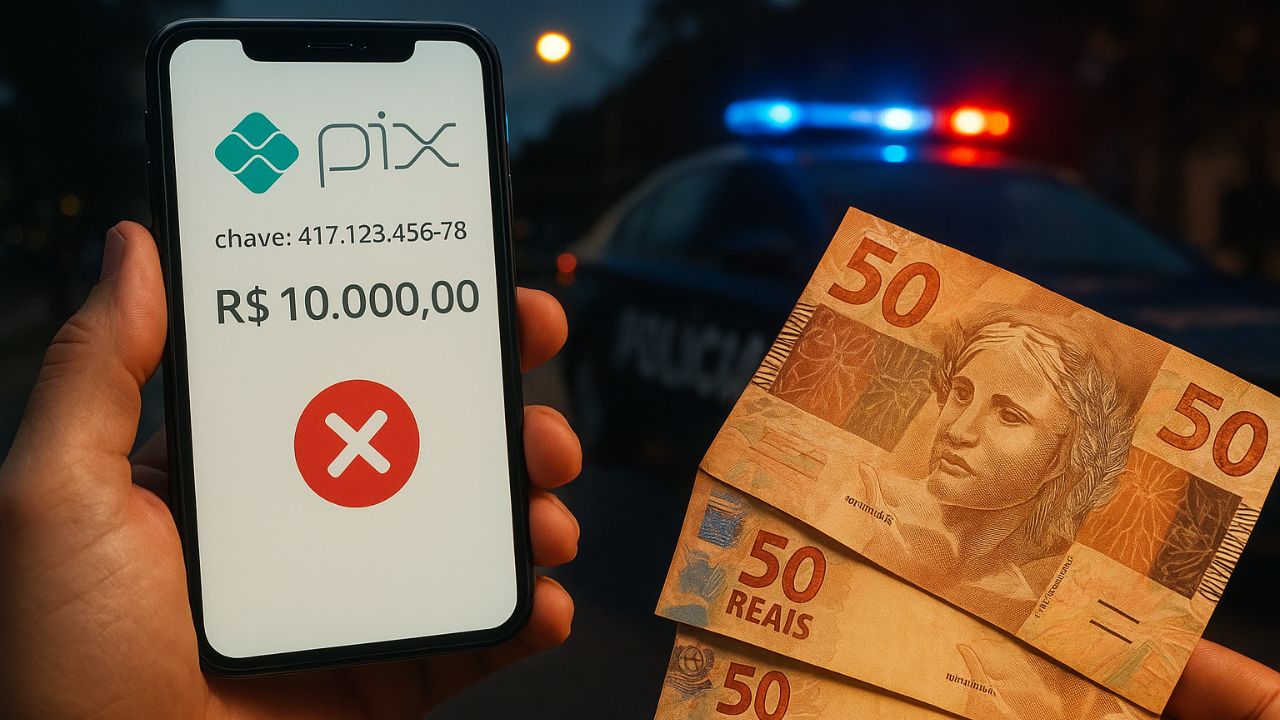


Case That Became Police Report in Brasília Raises Alert About the Crime of Embezzlement in Instant Transfers and the Lack of Support for Those Who Commit the Mistake.
A woman mistakenly transfers R$ 10 thousand to an unknown person’s account in Brasília and is now facing a battle to retrieve the money. The case, reported by Record Brasília, exposes the vulnerability of a fast payment system and what happens when honesty fails. The recipient, identified as a 54-year-old architect, simply refuses to return the amount that does not belong to her.
The amount was intended for the payment of essential family bills, such as health insurance, school tuition, and credit card bills. After an attempt at amicable contact was immediately blocked, the victim, named Bruna, filed a police report at the 21st Police Station. What started as a typing error is now formally being investigated as a crime of embezzlement.
The Error of a Digit and the Immediate Refusal
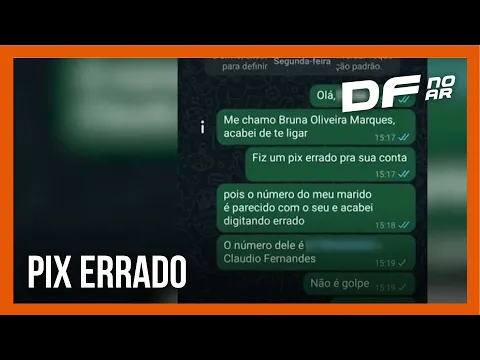

Everything happened in a moment of routine. Bruna needed to transfer her share of the monthly expenses to her husband, who centralizes the payments. While typing the Pix key, which was his cell phone number, one digit was swapped. Instead of “20” at the end, she typed “10”. The error, seemingly small, sent all the money, the result of a whole month of work, to the account of an unknown person.
-
Brazil’s 2026 Tax Refund: Record 9.58 Million Filers in Largest Payout Ever, But a Key Detail on Priority Recipients Draws Nationwide Attention

-
Itaú Alters Hybrid Work Model, Increasing Office Days from 2028, Prompting Employees to Adjust to New Routine
-
Facing Labor Shortage, Japan Plans to Invest $34 Million to Attract Foreign Workers in Construction, Healthcare, Industry, and Commerce

-
Brazilian City Makes Remarkable Leap, Becomes 4th Wealthiest in the Country with GDP of R$ 134.1 Billion




As detailed in the report from the program DF no Ar, from Record Brasília, Bruna realized the mistake only 12 minutes later. “I tried to contact the person, quickly explained the situation, and she hung up and blocked me“, she reported. Despair set in, as that was the money to cover all the obligations for the month. In a social media appeal, she vented: “I made a mistake and now I have this huge problem because I have no one to help me except the person who received the wrong Pix”.
Embezzlement: What Does the Law Say?
Although receiving a Pix by mistake is not, by itself, a crime, the refusal to return the amount completely changes the legal scenario. The attitude of the architect who received the R$ 10 thousand falls under the crime of embezzlement, as provided in Article 169 of the Brazilian Penal Code. The legislation is clear: appropriating movable property belonging to another, of which one has possession or detention, is a crime with penalties of imprisonment from one month to one year, in addition to a fine.
According to a lawyer consulted by the report from Record Brasília, once the person is notified about the mistake and refuses to return the amount, they commit an illegal act. The Central Bank itself, the creator of the Pix system, although lacking a specific rule for refunds in cases of payer errors, confirms that the non-return of money constitutes the crime of embezzlement, and it is up to the victim to seek police and judicial avenues to recover the loss.
Banks and the Powerlessness of the Payer
One of the points that generates the most frustration in cases like Bruna’s is the feeling of helplessness from financial institutions. “I contacted the bank, and they said they couldn’t do anything, that I just had to contact the person who received the Pix”, she told Record Brasília. The same response came from the Central Bank, which stated that support is only available for fraud cases, which does not apply to a user’s own error.
This limitation occurs because the transaction was initiated and confirmed by the payer, with a password and authentication. The banks cannot simply reverse the operation without the recipient’s consent or a court order, to ensure the legal security of the system. Therefore, the path for anyone who makes a wrong Pix and does not find honesty from the other side is invariably to file a police report and, if necessary, initiate legal action.
A typing error can happen to anyone, but the decision to return or not the money is a test of character. Have you ever been in a similar situation or know someone who has? What would you do in the place of the person who received the R$ 10 thousand? Share your opinion in the comments.








