






 Portuguese
  Spanish




After Losing Job And Questioning Stability, Lauren Hurst Leaves Washington, Cuts Expenses, Faces Rigorous Winter And Reports Adaptation, Practical Challenges, New Professional, Community Routine, And Redefinition In Interior Alaska
Lauren Hurst, 29, surprised many when she decided to abandon a stable urban routine in Bellingham, Washington, to live alone in a cabin without infrastructure in the interior of Alaska in July 2023, seeking to cut costs, rethink personal priorities, and rebuild her relationship with work, housing, and community.
A Journey Marked By Constant Moves
Before the move, Hurst worked remotely for a consulting company and was trying to establish herself after years of seasonal contracts in National Parks and Forests across the country.
She told PEOPLE that she spent her youth moving cities annually for work, but always returned to Bellingham between opportunities, seeking some sense of continuity.
-
Twin Earthquakes of Magnitude 7.2 and 7.5 Strike Venezuela, Leaving Over 1,400 Dead and Affecting Millions, Potential Losses Estimated at $6.7 Billion

-
Latin America’s Largest Residential Complex Located in São Paulo Boasts 1,160 Apartments, 72 Shops, 22 Elevators, and 104 Staff Members

-
Rare 1747 Lutheran Bible from Germany, Preserved in Southern Brazil, Showcases Unique Engravings and Handcrafted Techniques
-
Before Japan Became a Football Powerhouse, Zico Transformed the Amateur League, Boosted the J.League, and Was Honored with a Statue at Kashima Antlers



After securing a permanent job and stable salary, Hurst tried to build what she considered a “stable” life by renting a two-bedroom apartment in downtown.
During this period, she started a relationship, began sharing housing, and invested a significant portion of her income in furniture and items to create a sense of belonging to the space.

Job Loss And Personal Questioning
This arrangement began to crumble when Hurst lost her job, which triggered a period of introspection and also the end of the relationship she was in.
According to her, the situation forced her to evaluate whether those choices truly brought happiness or security, as the social model of stability promised.
Hurst realized she felt overwhelmed by the high cost of rent, the amount of accumulated belongings, and the distance from the natural environment present in her previous jobs.
This realization led to a radical decision: to sell everything that wouldn’t fit in her Honda CR-V and return to Alaska.
Influence Of Social Media On The Decision
The move was facilitated by contacts made in 2021 when Hurst worked at Denali National Park and began following creators on TikTok.
Among them was artist AnnMarie Young, known as @annmyoung.arts, who shared experiences of seasonal work in Alaska.
Even after leaving the park, the two kept in touch through social media, exchanging information about routines and local challenges.
When Young started living permanently in a cabin without infrastructure, Hurst saw there a concrete possibility for her own transition.
The Opportunity Of The Cabin Without Infrastructure
Upon considering the move, Hurst contacted Young, asked detailed questions, and eventually received the offer to occupy the cabin when she needed to move.
For Hurst, seeing another young woman living alone in a cabin in Alaska reinforced the sense of feasibility of the choice.
She states that sharing her own journey also aims to inspire others to feel capable of seeking alternative paths.
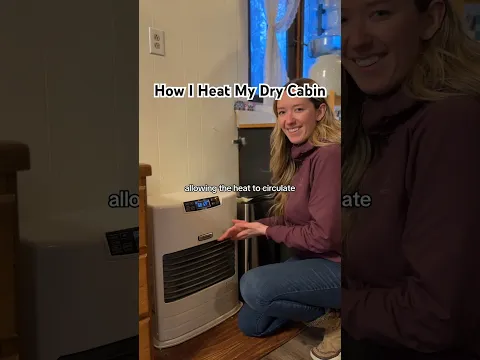
The permanent move occurred in July 2023, when Hurst settled into what is called a “dry cabin.”
How Dry Cabins Work In Alaska
According to Hurst, this type of housing is relatively common in the interior of Alaska and tends to be cheaper than other options.
The low cost is directly related to the absence of running water and plumbing, requiring manual handling of basic resources.
She sought a fresh start without the financial stress of high rents, which could force her to quickly accept an unsuitable job.
After selling her belongings, Hurst planned the move in a short time, as soon as the cabin became available.
Initial Adaptation And Arrival Of Winter
The first three months were dedicated to small renovations, exploring the area, and building new local social relationships.
Despite enjoying her free time, Hurst reported nervousness as she approached her first winter in the interior of Alaska.
To create routine and face the short, cold days, she decided to seek work before the harsher period arrived.
She found a job that utilized her degree and allowed access to remote areas of the state.
In-Person Work And New Routines
Hurst began working in topography, traveling to distant villages and using single-engine planes to reach survey areas.
The transition was significant, going from a completely remote setup to unemployment and then to intense in-person work.
Despite the initial shock, she believes the experience was rewarding, both professionally and personally.
The new job allowed her to maintain a similar income to that of Washington, while living costs decreased significantly.
Practical Challenges Of Life Without Infrastructure
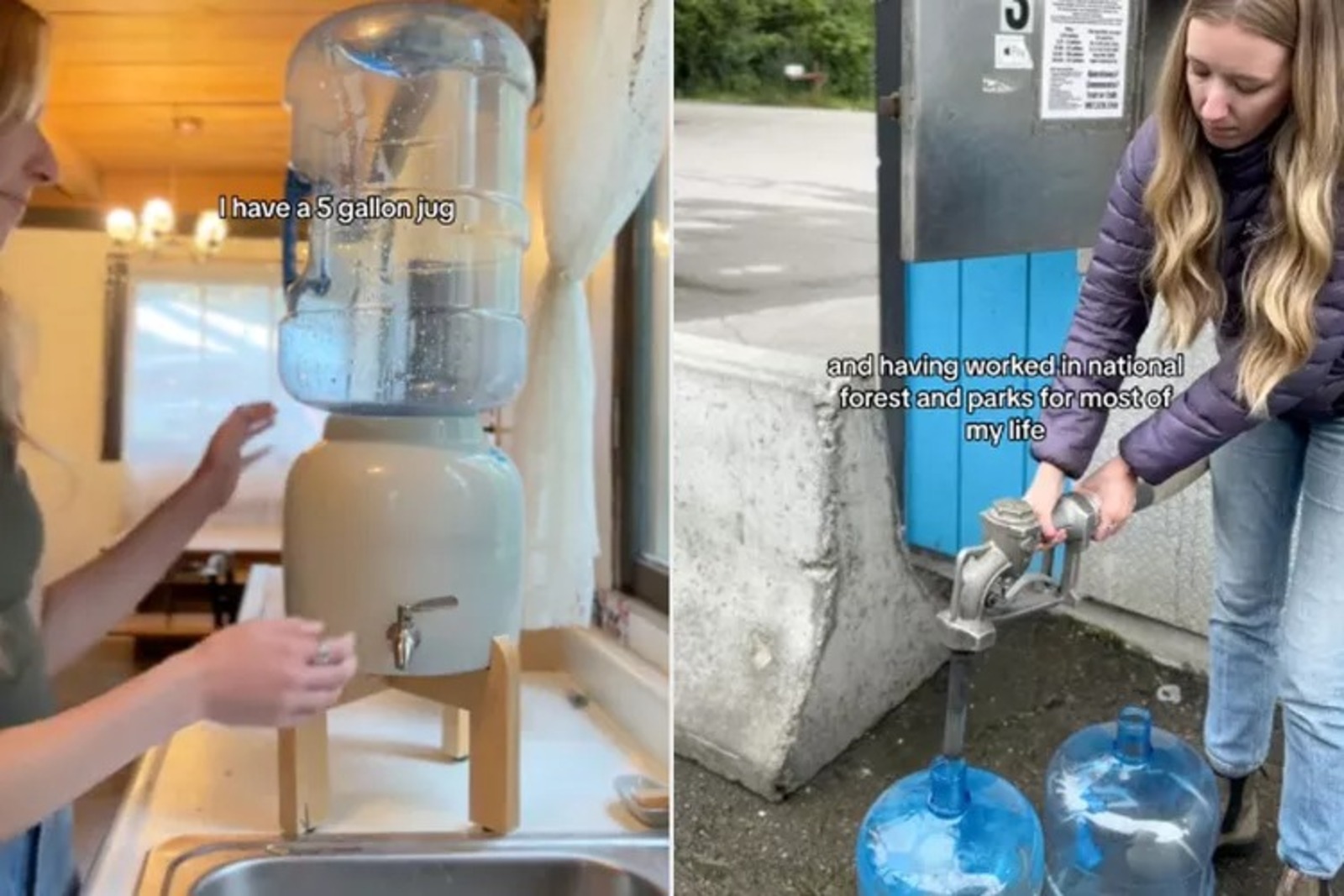
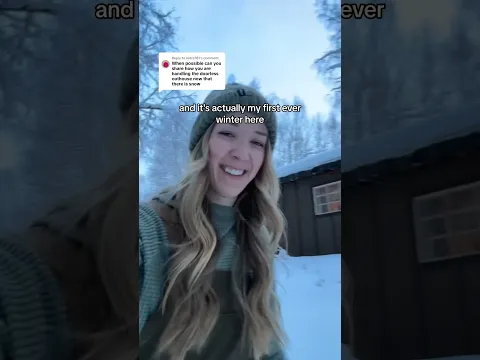
Currently, Hurst is facing her first winter in the cabin, with challenges centered primarily around water management.
Fetching water from town in -20 degree weather requires physical effort, especially in slippery and frozen areas, like the public water fountain.
She reports additional difficulties when car systems fail in the cold, making it hard to transport heavy jugs.
She also needs to manually empty the sink bucket, trudging through snow behind the cabin, making the routine tiring.
Perceived Benefits And Daily Limitations
Despite the challenges, Hurst says she enjoys the sense of accomplishment, the natural landscapes, and the significant reduction in monthly costs.
The new lifestyle has allowed her to save for retirement, plan to buy her own cabin, and expand extracurricular activities.
She also highlights the connection created with a new place and a specific group of people from the local community.
Among the disadvantages, she cites the impossibility of hot showers, limited water, and washing dishes in small buckets.
Embarrassments And Social Adaptation
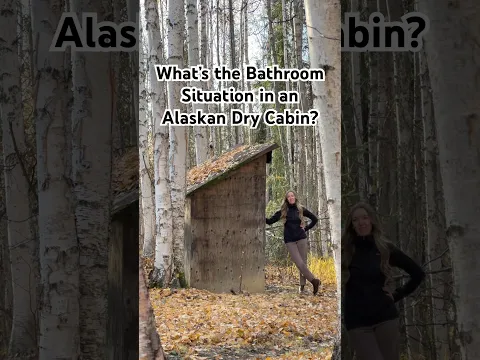
Hurst admits to feeling embarrassed when receiving friends due to the existence of a precarious outdoor bathroom.
Over time, she realized that most people in the area are used to this type of structure.
This normalization helped reduce discomfort and facilitated social integration into the new environment.
For her, emotional adaptation was as important as physical adaptation during this process.
Digital Community And Sharing The Experience
A large part of the positive aspect is also linked to the community built on TikTok, on the profile @explaurmore, with nearly 200,000 followers.
She states that sharing the routine in a cabin without infrastructure has been a gratifying and educational experience.
According to Hurst, people’s curiosity about different lifestyles drives online engagement and dialogue.
She acknowledges that it was this openness from others on social media that led her to the cabin where she lives today.
Redefining Success And Personal Expectations
Hurst intends to share more details about how she found a lifestyle aligned with her own definition of personal satisfaction.
For her, learning to adapt her vision of success has been the greatest lesson of this experience so far.
The move to Alaska represented stepping out of her comfort zone and pushing physical, emotional, and mental boundaries.
She emphasizes that facing a harsher environment required extra effort but brought significant personal growth.
Final Considerations About Life Choices
Hurst notes that living in dry cabins is not uncommon in her region and does not seek distinction for it.
The feeling of success, according to her, does not lie in accomplishing something unusual but in pursuing curiosity despite discomfort.
The experience reinforced her confidence to rise again and thrive, regardless of future circumstances.
These lessons complement her journey, marked by change, continuous adaptation, and redefinition of priorities.
With information from People.


