Portuguese
  Spanish


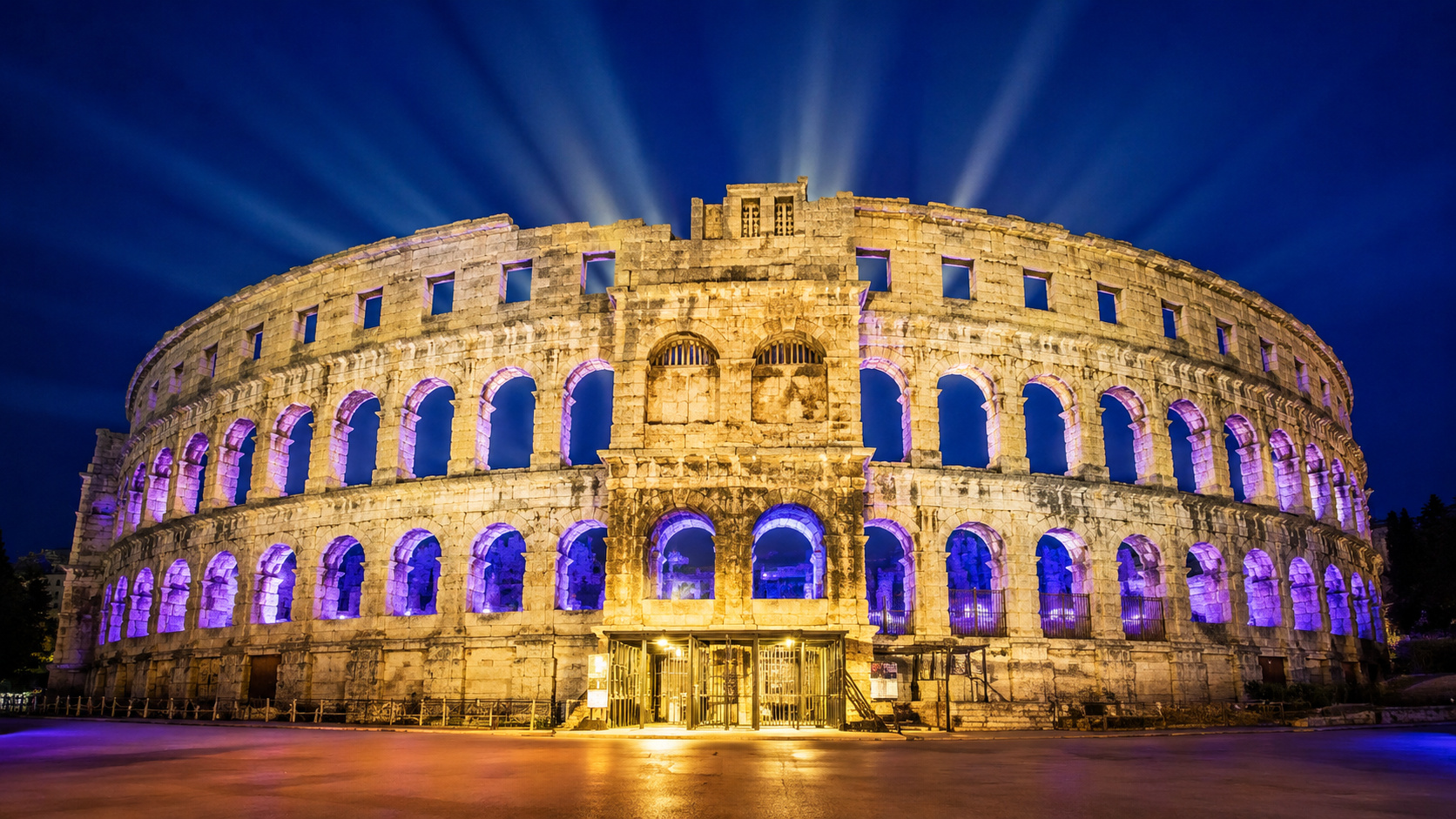

The preserved arena in the Adriatic reveals how Roman engineering, white limestone, and continuous use kept one of Europe’s most striking monuments standing
A Roman construction of great historical impact still dominates the landscape of Pula, Croatia, attracting visitors and scholars of ancient architecture. The Pula Amphitheater, erected in the 1st century, preserves continuous outer walls, three levels of arches, and four side towers that reinforce its monumental appearance. The arena was built in white limestone to host gladiator combats in front of about 23,000 spectators and, therefore, remains among the most preserved Roman structures on the Adriatic coast.
Roman engineering explains impressive preservation
The amphitheater’s resilience is linked to the solid foundation formed by large limestone blocks taken from quarries near the Adriatic Sea. The blocks were joined with lead and iron clamps, which helped maintain the structure’s stability over the centuries. During the Middle Ages, the monument was not completely dismantled to become building material, as it began to host fairs, tournaments, and public uses. This continuous function helped protect the three rows of external arches, which still form an almost complete façade.
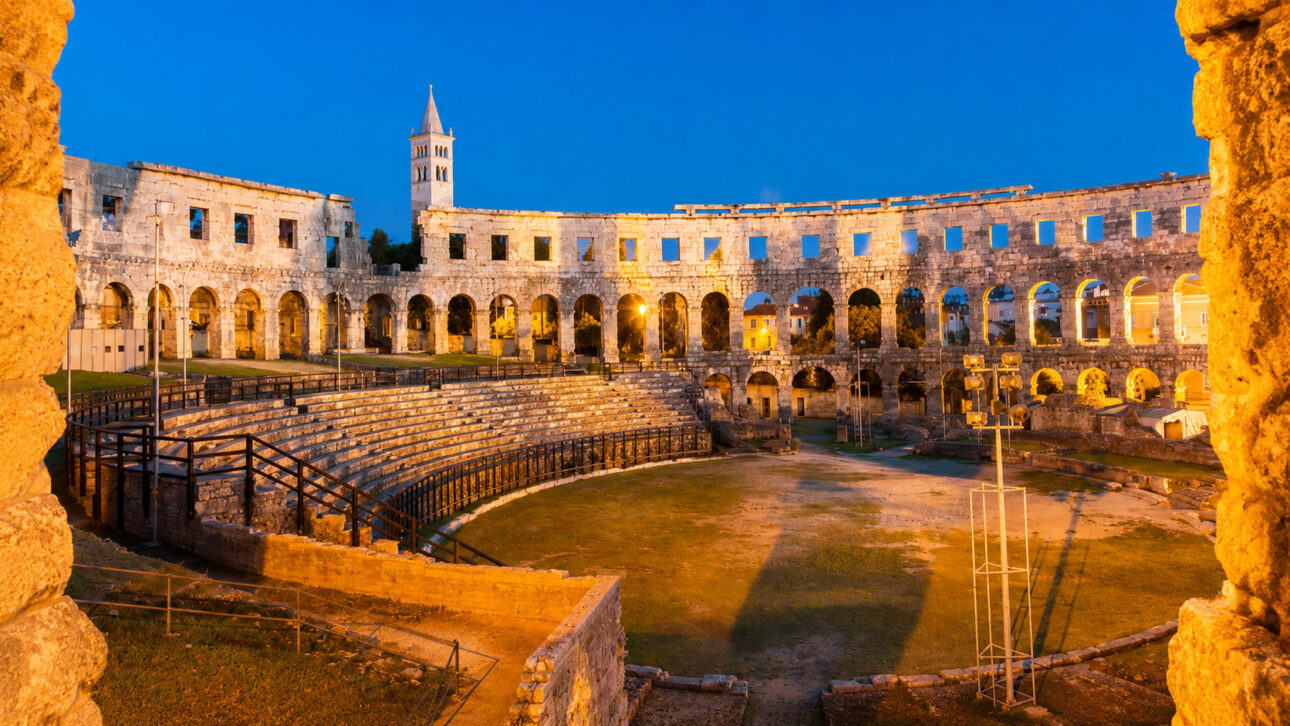
Side towers differentiate Pula from the Roman Colosseum
The Pula Amphitheater was built in the same imperial period as the Colosseum but has its own characteristics compared to the Roman icon. The presence of four rectangular side towers is one of the most visible points of this architectural difference. The Croatian arena also takes advantage of the natural slope of the coastal hill, while the Colosseum was erected on flat foundations. This detail shows how the Romans adapted their works to the available terrain, while Pula kept the external façade practically intact.
-
Coastal City in Rio de Janeiro Faces Slow Destruction as Sea Claims 500 Homes and Businesses

-
48-Year-Old Woman Wins Million-Dollar Prize, Gifts Neighbor First International Trip as Thanks for Years of Support

-
Women Once Mocked for Collecting Trash Form Group to Turn Organic Waste into Compost, Generate Daily Income, and Improve Market Cleanliness in One of the World’s Lowest GDP per Capita Countries
-
Archaeologists Uncover 40,000 Roman Bronze and Copper Coins from the 3rd Century in Fire-Destroyed French Neighborhood


Underground tunnels reveal the backstage of the shows
Under the sand of the arena, a system of stone passages organized the backstage of Roman spectacles. Gladiators, animals, and teams waited in these tunnels before entering the central area. Underground channels helped with drainage and prevented water accumulation in the combat space, keeping the arena functional. Currently, these tunnels house a permanent archaeological exhibition on Roman olive oil and wine production, bringing entertainment, economy, and daily life of ancient Rome closer.
Modern events keep the arena alive
The amphitheater ceased to be just a silent ruin over the centuries and gained new cultural functions. Today, the monument hosts shows, festivals, and outdoor events, transforming the ancient arena into a modern stage under the Croatian sky. The nighttime lighting enhances the visual impact of the facade over the port of Pula and creates a connection between current boats, ancient maritime routes, and preserved Roman heritage.

Tourism reinforces economic importance on the Adriatic coast
The Pula Amphitheater is one of the main tourist drivers in the Istria region, attracting visitors interested in classical history, ancient architecture, and coastal landscapes. Its preservation also stimulates investments in conservation, urban accessibility, and appreciation of the historic center. The monument strengthens Croatia’s image as a destination linked to Roman heritage in the Adriatic and keeps the relationship between heritage, tourism, and local economy alive.
Roman symbol continues to impress visitors
The Pula Amphitheater remains one of the most striking examples of the survival of Roman architecture outside Italy. Its continuous facade, side towers, and underground tunnels help explain why the monument arouses so much curiosity. The modern use in events shows that the structure still plays an active role in the cultural life of the city.
In front of a still-preserved 1st-century arena, how many other monuments can unite engineering, tourism, and living history in the same setting?