Portuguese
  Spanish


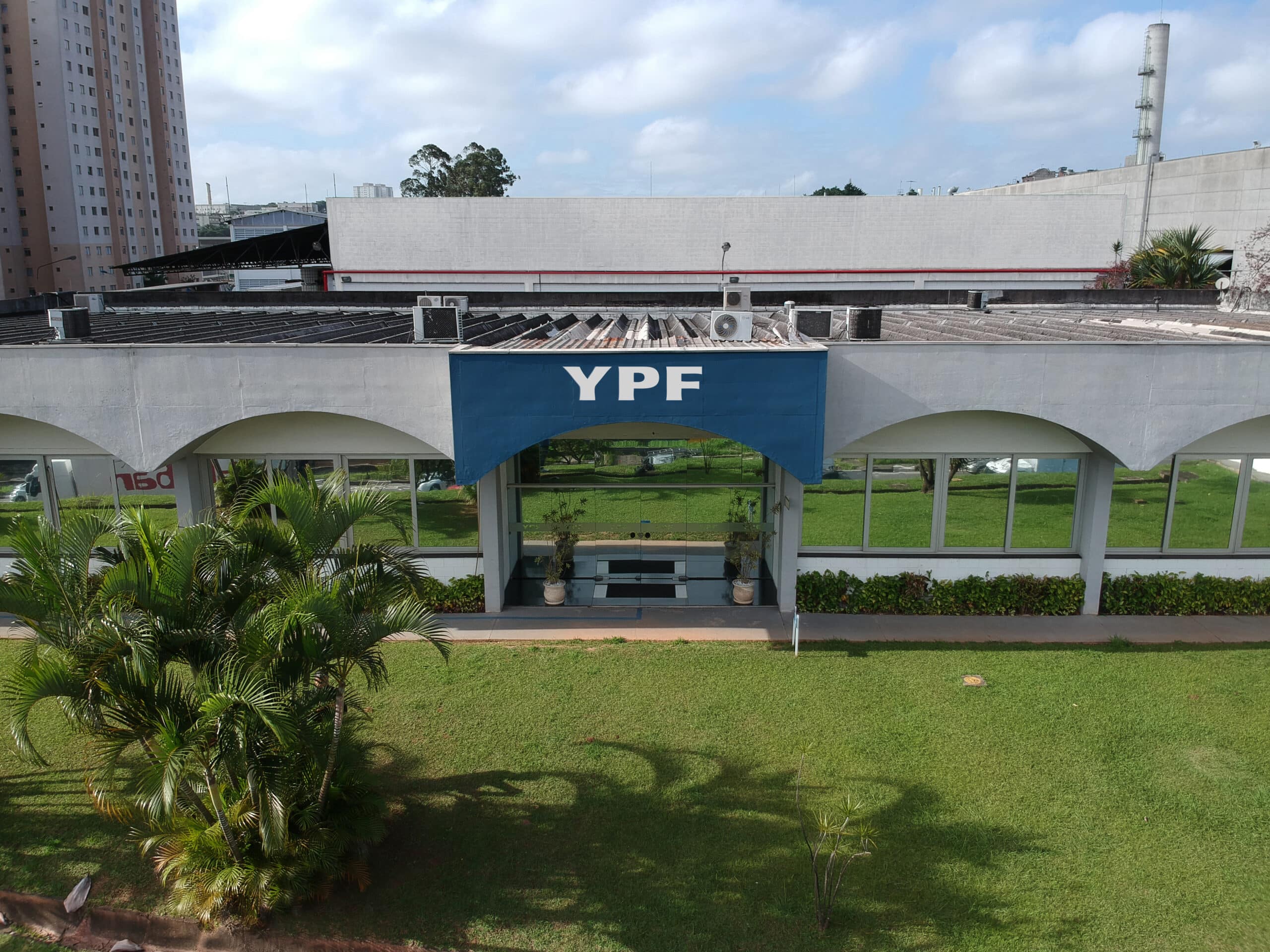

The Project Used at YPF’s Factory Started 5 Years Ago and Has Already Quadrupled the Company’s Automotive Lubricant Production Capacity
YPF, the Argentine multinational dedicated to the exploration, refining, and sale of oil and its derivatives, announced that it will restructure its factory in the country and make it more digital, in a reform with an estimated value of R$ 48 million in investments. Named “Future Plant,” the project, which started five years ago, has already quadrupled the company’s production capacity. Read this news: New Factory Specialized in Boat Construction Will Be Established in Paraíba. R$ 11.7 million Will Be Invested and 150 New Jobs Will Be Created
- Multinational MODEC Recruits Candidates Without Experience for Onshore Activity in Macaé (RJ); the Job Openings Today (09/29) Are for Recent Graduate Engineers
- Spanish Group Jealsa Invests R$ 53 Million to Open a New Factory in Ceará
- Autodesk and Globo Are Offering Dozens of Positions in Free Online and Distance Learning Courses
- Oil Company Enauta Reports That It Has Stopped Production at the Manati Field After a Gas Leak
- Petrobras’ Thermal Power Plant in Mato Grosso do Sul Is Shut Down Due to Risk of “Catastrophic Failure”
Increase in Production Capacity of Its Unit in Brazil
According to information released by the PetroNotícias portal, the project, which started five years ago, has already quadrupled the company’s production capacity at its factory, which previously produced about 1 million liters of automotive lubricants per month and now can reach the same amount in just one week of operation. By 2023, the expectation is to reach a mark of 10,000 cubic meters per month.
The technological improvements have allowed, in addition to the increase in production capacity, a reduction in errors caused by human actions through the inclusion of proactive machines and robots that not only prevent mistakes but also assist in the identification process of them. Another concern of YPF Brazil is the sustainable impact of the new factory on the environment. Currently, the company consumes 500 grams of liquefied petroleum gas to produce one cubic meter of lubricant, while competitors consume about 2 kilograms to produce the same amount of final product.
-
U.S. City Builds Tiny Home Village on Water Company Land to House 136 Homeless People: Inside the Social Housing Units

-
Woman Turns Shipping Container into Home, Embraces Rural Life to Cut Monthly Expenses to Just Over $330
-
France Revamps 530 Social Housing Units with Large Balconies and Glass Facades Without Demolishing Existing Buildings

-
Facing high rent, couple transforms parents’ garage into a fully functional apartment, creating a complete home at a fraction of the market cost.




Job Creation and Technology Investments in the Factory
According to the PetroNotícias portal, Fábio Lopes, industrial operations manager at YPF Brazil, said that with the expectation of having an increasingly intelligent and productive factory, the arrival of people from the fields of statistics, programming, and process engineering becomes an essential necessity to achieve these goals.
Although still under development, the reality brought by the changes in the factory’s layout is already included in the daily routine of the company’s employees. “Technology is important, but the people in this new structure we have built are the key to our success. We talk about Industry 4.0, but to be honest, I think the ideal is to build a plant where humans and technology can work side by side,” Fábio concludes. The first intelligent production line is the result of improvements from the “Future Plant” project and is scheduled to launch in December 2021.
Also Check This News: CAB Motors Will Invest R$ 100 Million in Building a New Jeep Factory in Santa Catarina
The Governor of Santa Catarina, Carlos Moisés, met with executives from CAB Motors to discuss the installation of a new jeep factory. The company that produces the Stark jeep intends to set up a plant in Imbituba, in the south of the state of Santa Catarina, with an investment of approximately R$ 100 million, expected to generate 300 direct jobs.
Executives from the group were received to discuss the matter with the state governor and secretaries. “We are excited about the project and want to be partners. We will form a working group to analyze the company’s conditions and try to bring this factory investment to Santa Catarina, which will bring more jobs and income,” the governor stated.