Portuguese
  Spanish



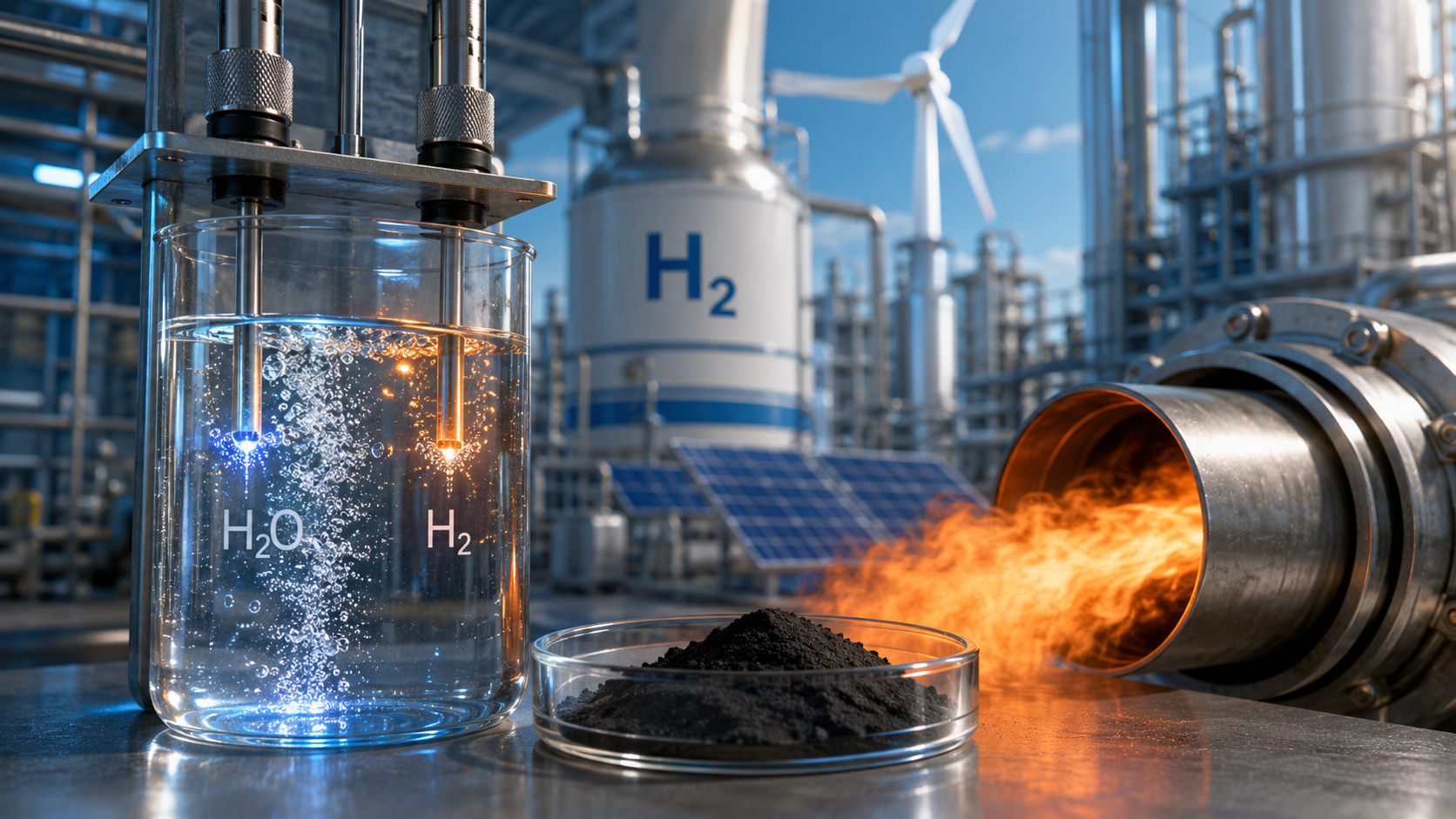
World’s Largest Liquefied Hydrogen Production Plant in South Korea Promises to Produce 250,000 Tons of Clean Hydrogen Annually
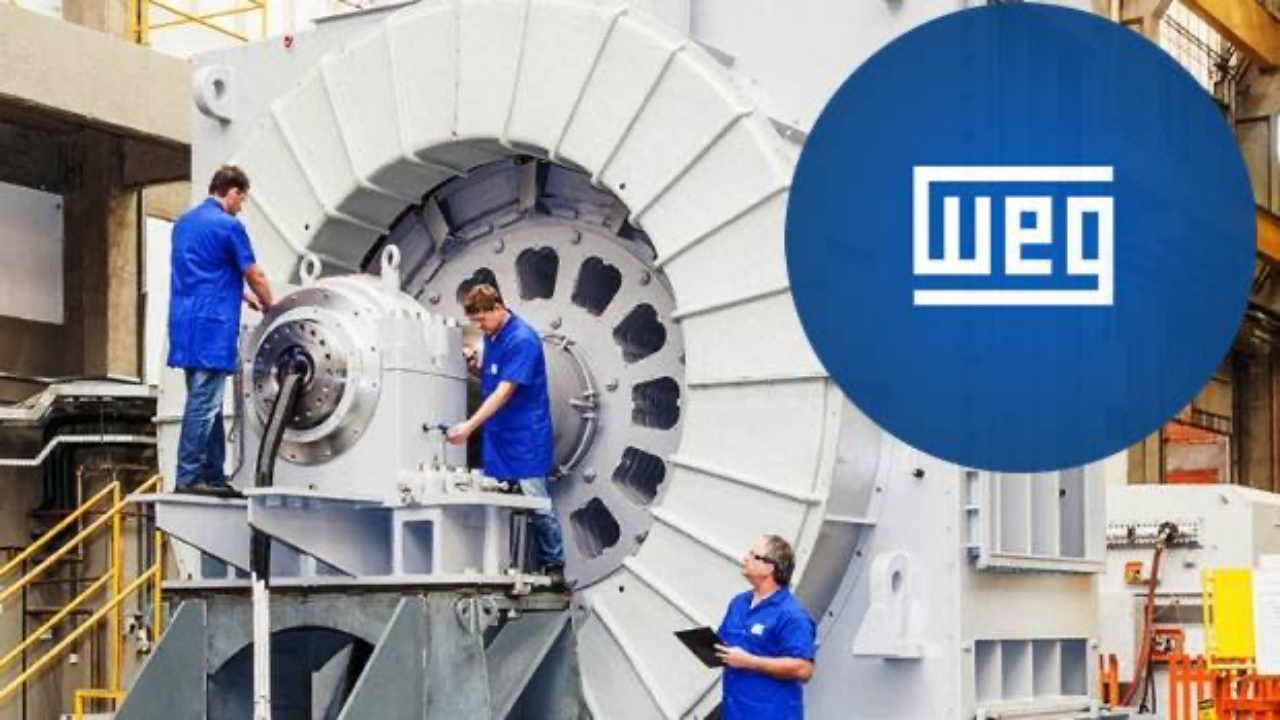
WEG, one of the largest electrical equipment manufacturers in the world, continues to contribute to global CO2 emission reduction through clean energy projects. Recently, the company provided three large synchronous motors for the world’s largest liquefied hydrogen production plant in South Korea.
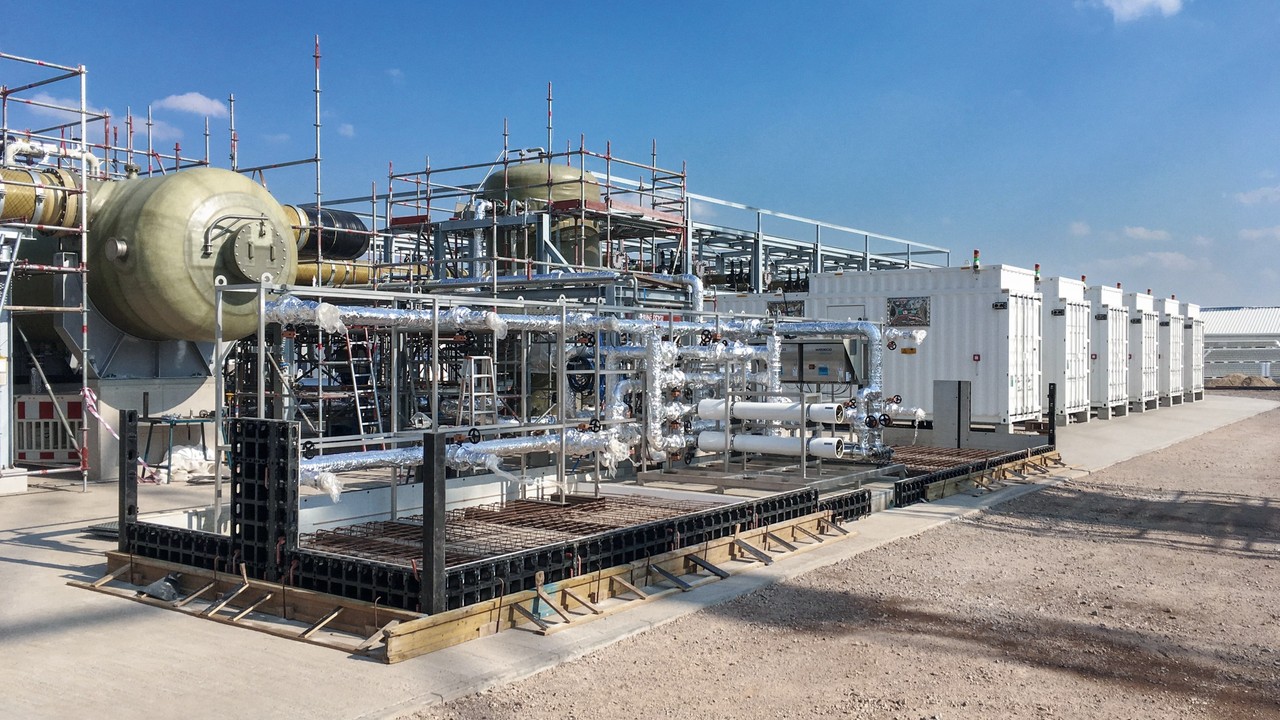
The project, led by a South Korean energy and chemical group, aims to meet the growing demand for hydrogen in the metropolitan area of Korea. The first phase of the plant, scheduled for completion in 2023, is expected to produce about 30,000 tons of liquid hydrogen, while the second phase, planned for 2025, aims to produce 250,000 tons of clean hydrogen per year. The plant includes a complete ecosystem ranging from production to distribution and residential, commercial, and industrial consumption.
WEG and Its Contribution to the Project
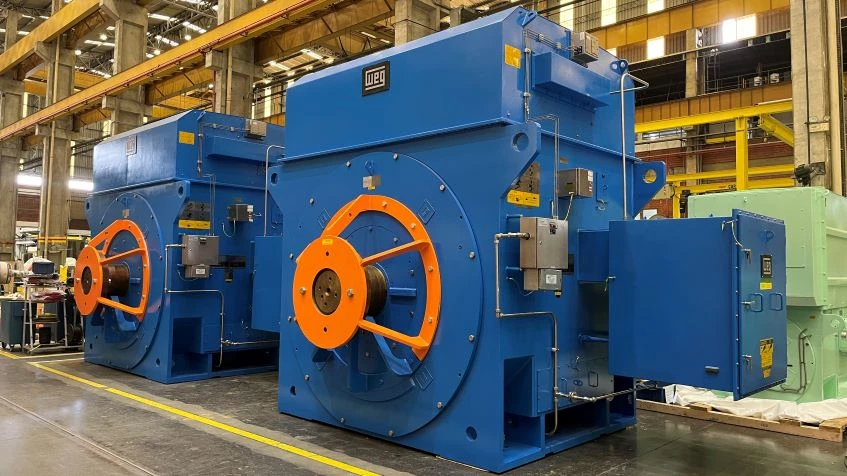
To contribute to this project, WEG provided three synchronous motors from the S series, with a power of 8,500 kW, voltage of 13,200 V, 20 poles, and 60 Hz. The motors were specifically designed to meet the application needs and will be used to drive the hydrogen production process.
-
Fired during apartheid and with a little borrowed money, an electrician started with a borrowed truck and transformed electrical services into a group connected to energy, real estate, and infrastructure in South Africa.

-
Wood has ceased to be just a construction material in Yale research and has become insulation for electrical transformers that face intense heat, aging, and increasing pressure from the renewable energy-powered grid.
-
More than 1,000 residents of a remote island in Kiribati now have clean water and electricity with solar systems operated by the community itself.
-
Ceará brings together 7 giants and R$ 66 billion to transform Pecém into the largest green hydrogen hub in Brazil, with final decisions expected by the end of 2026.

Additionally, WEG also delivered three induction motors from the W60 line, with a power of 4,765 kW, voltage of 13,200 V, 4 poles, and 60 Hz, which will be used to drive the compressors of the plant. All provided motors have Korean KOSHA certification for use in classified areas and features of protection method Ex pzc, Zone 2, Group IIC, and temperature class T3.
Production and Export of the Motors
The synchronous motors were produced at WEG’s factory in Jaraguá do Sul, weighing an average of 56 tons each. Due to their size and weight, specialized transportation was necessary to the port of Navegantes, where the equipment was exported and shipped to South Korea.
With this project, WEG once again demonstrates its commitment to contributing to the production of clean energy and reduction of CO2. The supply of these motors for the world’s largest liquefied hydrogen production plant in South Korea is an important step for the company, which continues to invest in technology and innovation to meet global market demands.