Portuguese
  Spanish




Event Organized by the Government Articulates Energy Transition Task Force to Support COP30 Focused on Renewable Energy Financing, Sustainable Mining, and Resilient Electric Grids
The Energy Transition Task Force marked the calendar of the Ministry of Mines and Energy (MME) on October 13, bringing together government, private sector, and academia to prepare Brazil for COP30, which will take place in Belém-PA.
The meeting addressed expansion and resilience of electric grids, mining for the transition, oil and gas industry solutions, energy access, and energy planning, according to a report published.
Special advisor Mariana Espécie emphasized seven solution plans that should feed into an ambitious, fair, and inclusive agenda. João Marcos Paes Leme from Itamaraty stressed that this COP needs to be about implementation, leveraging the advancements already achieved.
-
Farmer Revives Arid, Abandoned Land in Brazil’s Bahia into Thriving Forest, Demonstrates How ‘Syntropic Agriculture’ Can Transform Rural Futures

-
Study Reveals 40% of Brazilians Unaware of Circular Economy, Highlighting Challenges in Sustainable Transition and Recycling Expansion
-
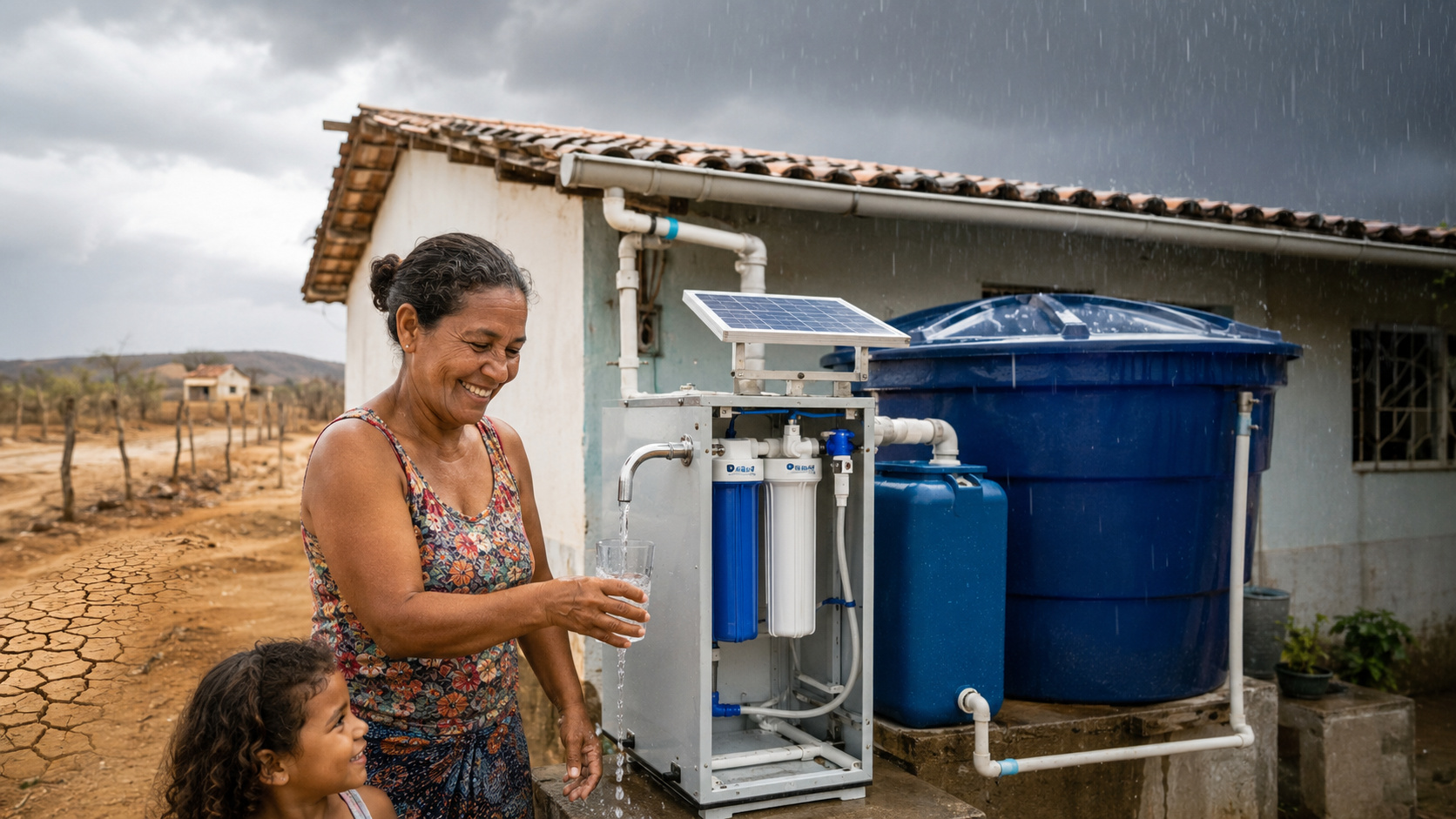
Brazilian Startup Converts Rain into Potable Water Without Chemicals, Surpasses 10 Million Liters, Joins $1.2 Million Project to Bring Simple Technology to Drought-Stricken Areas in Northeast Brazil
-
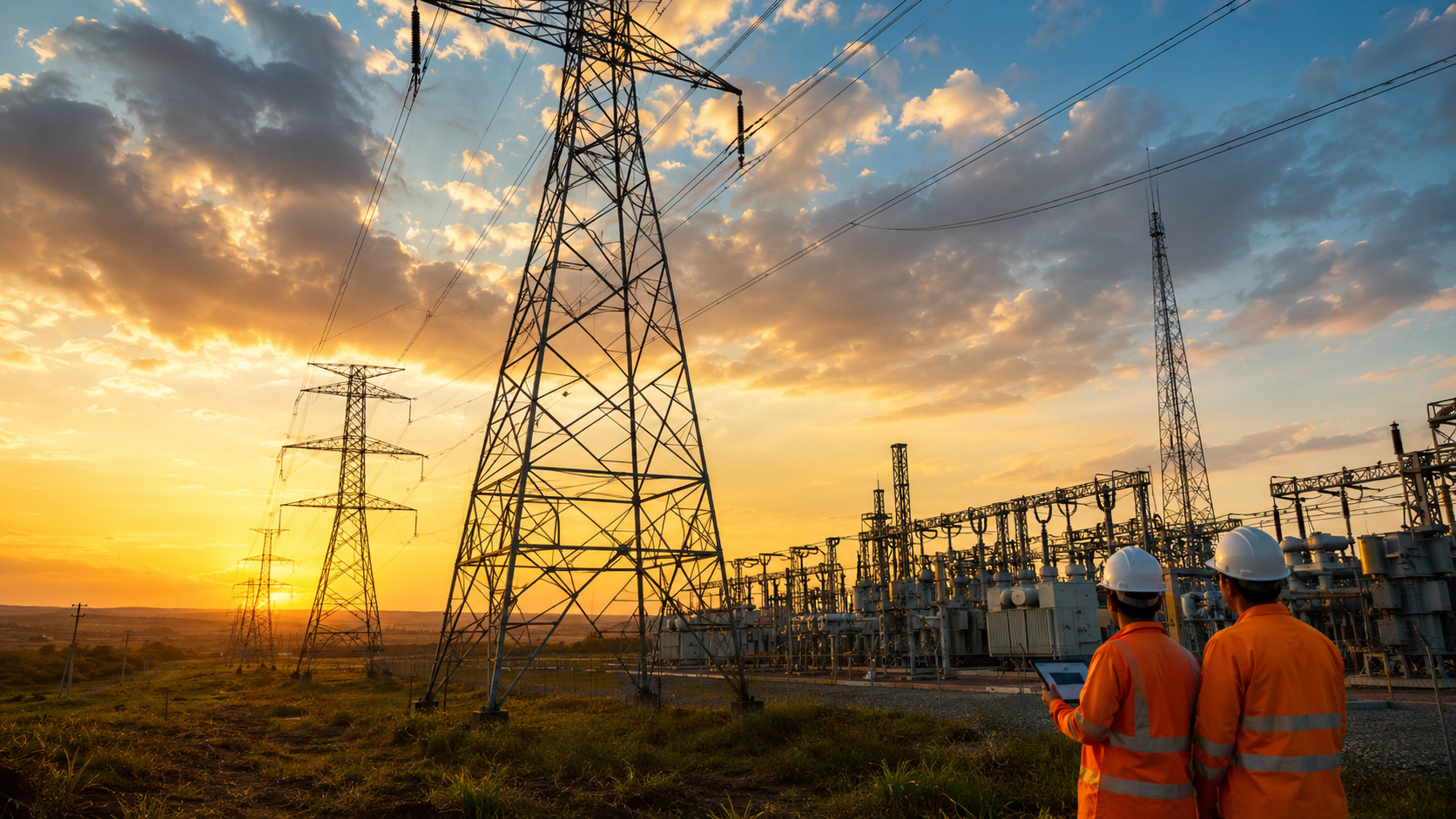
Brazilian Energy Auction Secures $4.6 Billion in Projects to Enhance Power Grid and Prevent System Bottlenecks, Achieving an Average Discount of 51.58%

Special envoy Elbia Gannoum reiterated that Brazil must showcase its leadership in a low-carbon economy.
During the Energy Transition Task Force, discussions arose about green energy certification, tax incentives, and regulated markets.
Participants also pointed out challenges such as high capital costs and regulatory hurdles. The day-long panels aimed to align goals and generate technical inputs for Brazil’s presidency at COP30.
Advancements in Energy Transition in Brazil and Sustainable Mining
In the first panel on energy transition in Brazil, experts discussed strategies to integrate renewable sources and ensure security for the national electric system.
The debate highlighted the wind potential in the Northeast and South regions and its positive impact on the electric grid. Representatives from ABEEólica presented studies forecasting a 25% growth in new wind installations by 2030.
The importance of sustainable mining was also discussed at the Energy Transition Task Force, particularly in lithium and nickel extraction, which are essential for batteries and fuel cells.
The role of energy efficiency and productive circularity to reduce waste and emissions in supply chains was emphasized.
Renewable Energy Financing and Strengthening the Sector
The second panel addressed renewable energy financing, a central point for enabling large-scale projects. Credit lines, tax incentives, and green funds supporting the expansion of solar plants and wind farms were presented.
BNDES and multilateral institutions explained new financing models with guarantees and insurance to reduce risks.
In this context, the Energy Transition Task Force encouraged dialogue between government and investors, seeking to simplify regulations and expedite project approvals.
Proposals include co-financing mechanisms and expanding sectoral guarantee funds, reducing capital costs and boosting investments starting in 2026.
Energy Transition Task Force: Resilient Electric Grid and Clean Energy Innovation
The final panel discussed the resilient electric grid, essential for integrating wind, solar, and green hydrogen sources.
Technicians presented modernization plans for lines and storage systems, utilizing sensors and smart grids.
The Energy Transition Task Force identified regulatory bottlenecks and proposed solutions to improve interstate transmission.
The agenda also included innovation in clean energy, highlighting the role of startups and universities in developing technologies that strengthen the decarbonization of the economy.
The results will be incorporated into the technical reports that Brazil will present at COP30, reinforcing the commitment to a sustainable and inclusive energy matrix.