






 Portuguese
  Spanish


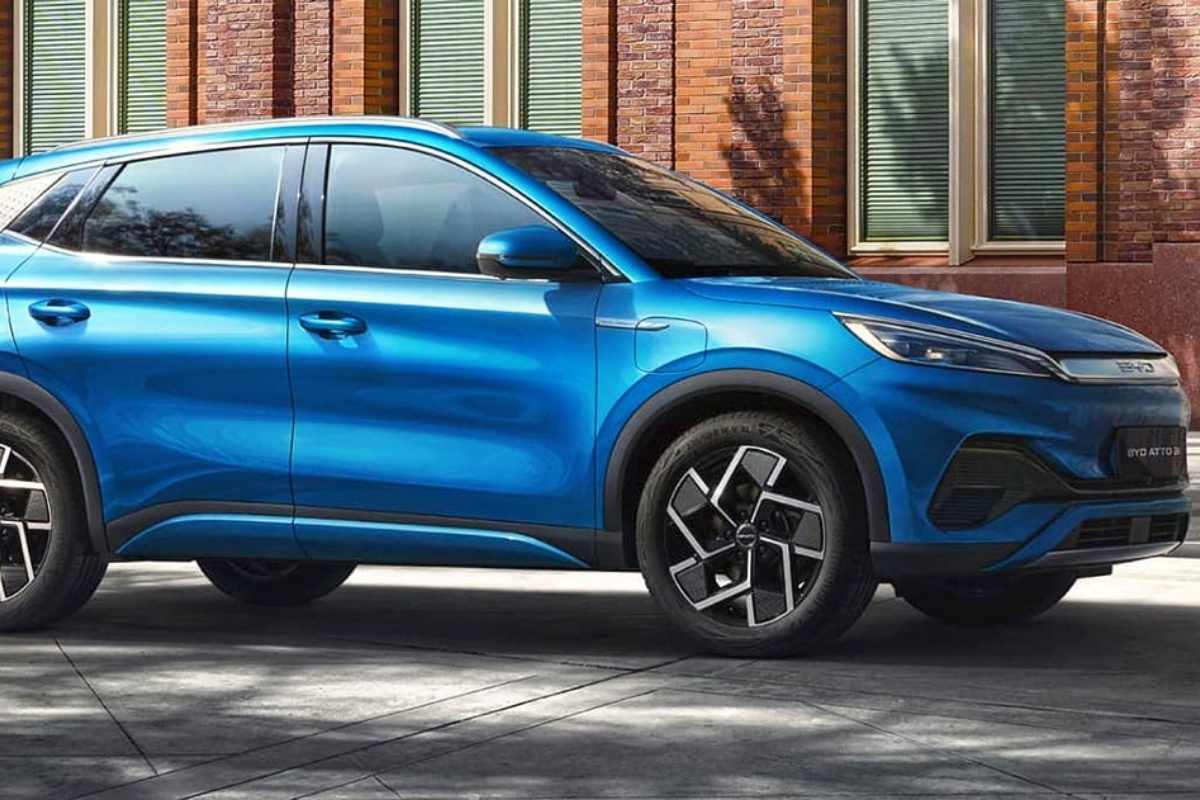
Forget Prejudice: Rigorous Tests by the Main Safety Authority in Europe Show That Models from Brands Like BYD and GWM Not Only Achieve Top Scores but Set New Standards for Protection.
Skepticism about the quality of “made in China” products has always been a barrier, especially in the automotive sector. However, this perception is quickly becoming a thing of the past. According to Euro NCAP, the most respected car safety assessment program in Europe, Chinese cars are not only safe, they are among the safest on the market, even surpassing models from traditional brands.
The statement, which may surprise many consumers, comes from within the organization itself. As reported by the news agency Reuters, a director from Euro NCAP made it clear that the quality and safety of Chinese vehicles arriving in Europe are of the highest level, breaking the old stigma once and for all.
The Expert Says: “Superior Quality”
The verdict that is changing market perception came from Matthew Avery, Director of Strategic Development at Euro NCAP. In a straightforward statement, he advised consumers to set aside the idea that Chinese cars mean inferior quality.
-
Toyota Launches First 100% Electric Car in Brazil: bZ4X with 343 HP, All-Wheel Drive, 361 km Range, Priced at $419,990 BRL, Limited to 99 Units

-
Chinese SUV Achieves 24.4 km/l, Outperforms Toyota Yaris Cross in Real-World Tests with 224 hp Hybrid System, Offers 51-Liter Tank for Greater Range, and Costs Up to R$ 5,000 Less.

-
Uber Black Revamps Fleet, Drops Ten Car Models and Sets Deadline for Electric BYD Dolphin
-
Chinese Giant Uses Metal Structures and Cranes to Deliver Over 700 Electric Cars to Brazil


“The quality of models from Chinese brands is superior to that of others,” Avery stated. This statement carries significant weight as it comes from the highest authority in crash testing and safety systems in Europe. When a car receives the coveted “five-star” rating from Euro NCAP, it means it has undergone rigorous assessments of protection for adults, children, pedestrians, and driver assistance technologies.
Why Have Chinese Cars Become So Safe?
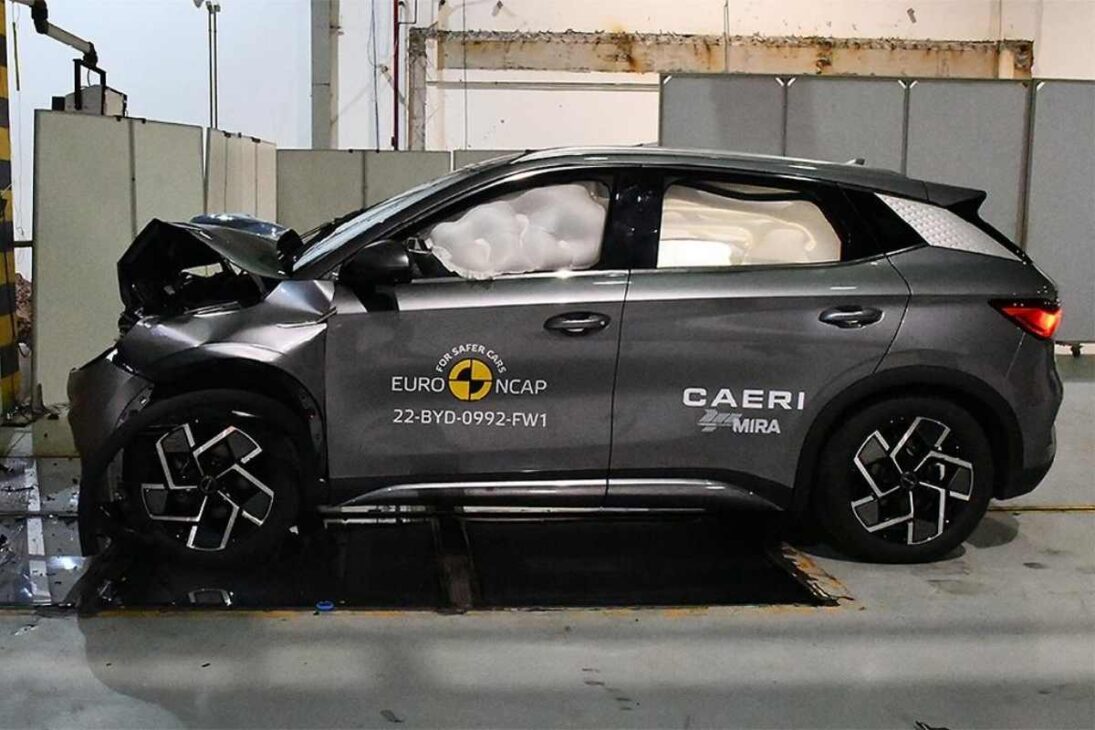
This evolution did not happen by chance. Several factors explain why Chinese automakers are standing out so much in safety:
- Stringent European Regulations: Since 2022, the European Union requires that all new cars sold on the continent come equipped from the factory with a robust package of safety technologies (ADAS). This includes autonomous emergency braking, lane-keeping assistance, and rearview cameras. Chinese brands, to compete, are already designing their cars to meet and exceed these requirements.
- Strategic Partnerships: Many Chinese manufacturers have formed joint ventures with Western giants, such as Geely (owner of Volvo) with Renault and SAIC with Volkswagen. This collaboration has allowed for rapid absorption of knowledge and technology.
- Focus on Electrification: The majority of Chinese cars entering the global market are electric. The architecture of these vehicles, with batteries in the floor, naturally contributes to a lower center of gravity and greater structural rigidity, improving performance in crash tests.
Chinese Models With Top Safety Ratings
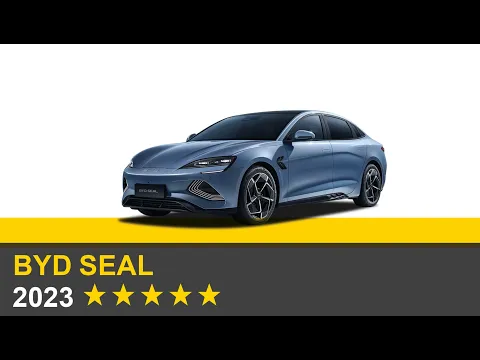

The results speak for themselves. In recent years, several Chinese models not only achieved the five stars from Euro NCAP but did so with impressive scores in all areas. Some standout examples include:
- BYD (Seal, Dolphin, Atto 3): The brand has an impeccable track record in testing, with their cars receiving praise for occupant protection.
- NIO (ET5, EL7): Another Chinese giant that consistently achieves top ratings.
- MG (MG4): The British-origin brand, now under Chinese control, also stands out with high safety models.
- Omoda/Jaecoo: Brands from the Chery group that have already arrived in Brazil and also achieved five stars in Europe.
What Still Needs Improvement?
Despite the undeniable advancement in structural safety, experts point out that the next step for Chinese brands is to refine driver assistance software (ADAS). Since these systems are “trained” on Chinese roads, they sometimes need better calibration to perfectly adapt to road conditions in other regions. The big question that time will answer is about long-term reliability and the quality of after-sales service.
What about you, do you still have doubts about the safety of Chinese cars? Has your opinion changed after seeing the test results? Comment below!


Be the first to react!