Portuguese
  Spanish


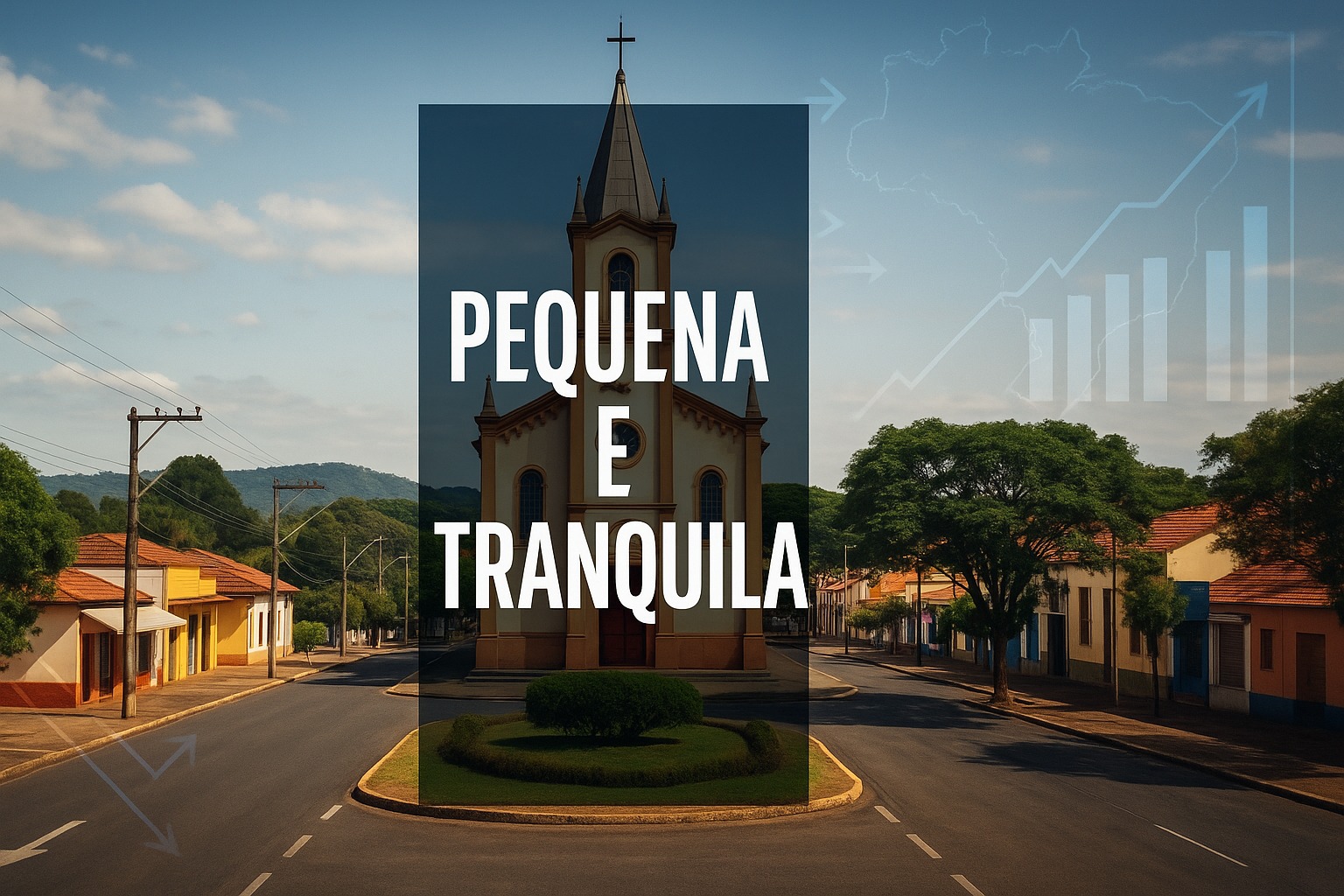


Paulista City Without Cemetery or Delegate Ranks 4th in National Quality of Life, Supported by Medicinal Waters
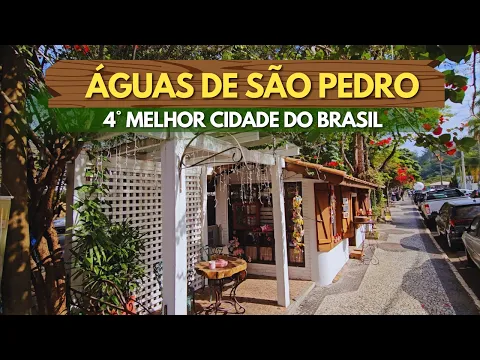
Just over two hours from the capital of São Paulo, Águas de São Pedro stands out for an unusual detail: the municipality has neither a cemetery nor a fixed delegate. With just over 80 years of emancipation, the tourist resort ranks 4th in the national quality of life ranking compiled by the Social Progress Index (SPI).
The routine is tranquil. Tree-lined streets, absence of traffic lights, and a community life that maintains traditions seldom seen in other cities.
Many residents highlight this tranquility as the main reason for staying.
-
11-Year-Old Entrepreneur Turns Fear of Bees into Honey Lemonade, Wins $60,000 on Shark Tank, Secures Whole Foods Deal, and Expands Brand Across U.S. Stores

-
9-Year-Old in Brazil Sells Homemade Sweets to Support Grandfather with Parkinson’s, Family Dreams of Buying Candy-Making Machine

-
Man Disguises as His Own Mother to Collect €3,000 Monthly Pension, but Makeup and Beard Stubble Raise Suspicions at Registry Office

-
Brazilian Airport to Receive $2.8 Million Investment, Completion Expected Within a Year






Clash of Realities
Marcelo Brega, 48, works as a freelancer and has lived in the city for two decades. He grew up in the capital of São Paulo and clearly remembers the change of pace when he decided to follow in his parents’ footsteps and move.
“It was quite a shock. As a good Paulistano, I was born and raised in traffic. Here we don’t even have a traffic light. There’s no violence or anything. My house has been left with an open door and nothing happened,” he says.
Security is one of the most impressive aspects. A rare situation in other municipalities, the local police station operates with little demand.
“There is one, but there is no delegate. There is a clerk and sometimes an investigator. It’s a police station that has little work,” explains retired Orlando Cirino, 85, who has lived there since 2004.
Safe City and Trusting Relationships
When there is a report of an occurrence, the population goes to the nearby São Pedro police station, which is 7 km away.
However, this is not frequent. The city is known for its calm and the trust among neighbors and merchants.
Cirino exemplifies this relationship with everyday stories. “The baker leaves the bread at the gate and I pay later.
It can be the next day or even the following week. No one distrusts it because everyone knows each other,” he reports.
This trust, combined with low crime rates, reinforces the idea that Águas de São Pedro still preserves an air of an inland town, even being close to large centers.
The Search for Black Gold
The current tranquility contrasts with the city’s history. In the 1920s, it was believed that the territory concealed oil deposits.
The state government began drilling, but only found water. The episode fueled rumors that Monteiro Lobato lost money in the region.
The failure did not erase the marks. The old drilling tower can still be seen and has become a historical site. But it was precisely the unexpected discovery that changed the course of the village.
From Frustration to the Charm of the Waters
In the 1930s, merchant Octavio Moura Andrade visited the region and encountered the dark, foul-smelling waters from the drilling sites.
The liquid, rejected as oil, drew attention because it was beneficial for livestock.
Fascinated by the effect, Andrade bought the farm and built what would later become the Grande Hotel São Pedro. The bet transformed the place into a hydro-mineral resort, giving rise to the municipality.
Decades later, research by the Technological Research Institute of USP confirmed the medicinal properties of the waters.
The City Where No One is Buried
The medicinal waters even influenced the urban organization. To avoid contamination, no cemetery has ever been built in the city.
When someone dies, the body must be taken to neighboring municipalities, like São Pedro or Piracicaba.
Marcelo Brega explains that there was once an attempt to open a funeral home, but the space was eventually deactivated and converted into a public building.
Today, the only exception is the founder himself. Octavio Moura Andrade was buried in the Chapel of Nossa Senhora Aparecida, located at the highest point of the municipality.
Despite its small size, the city maintains an active calendar of cultural and sports events. One of the traditional groups is the Chorões da Velha Guarda, formed by residents who cultivate samba and choro.
Orlando Cirino is a member and takes pride in the group’s history. “We have been playing samba and choro for almost 20 years. The group is made up of people who came from outside. One of the members was my acquaintance in Santos, whom I hadn’t seen in 30 years, and we reconnected here.”
A Lifestyle That Captivates
For residents, the greatest wealth of Águas de São Pedro is the way of life. Marcelo Brega sums it up: “Once you get used to it, it’s hard to want to leave.
In São Paulo, I can’t even walk much on the streets, I already lose patience with the traffic.”
It’s no coincidence that the city ranks well in the national quality of life ranking. The combination of security, community trust, and waters with medicinal fame has transformed the small municipality into a unique place.
For many, more than just an address, Águas de São Pedro represents a rare piece of enchantment in the inland region of São Paulo.
With information from UOL.