






 Portuguese
  Spanish


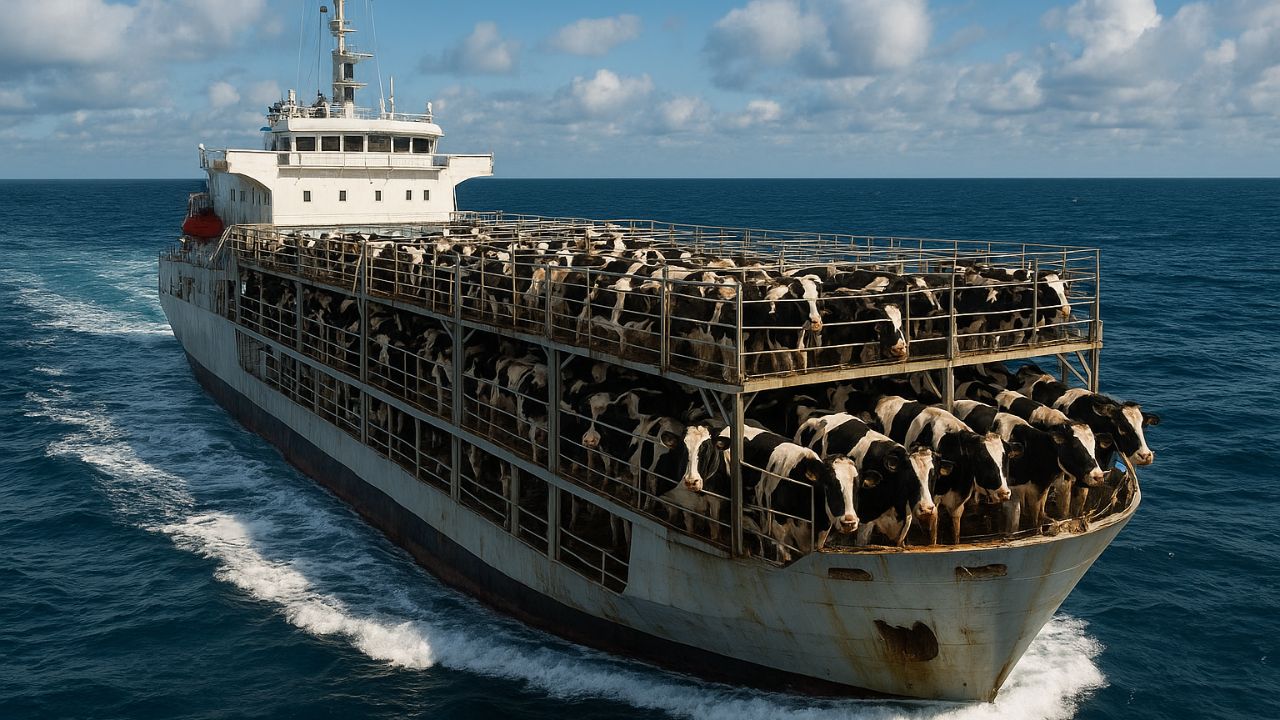


A Ship With Around 3 Thousand Cows Was Adrift For Two Months, With Deaths, Births, And Critical Conditions Onboard; Part Of The Animals Disembarked In Libya, According To Animal Welfare Organizations.
A cattle ship loaded with around 3 thousand cows was adrift for two months, facing deaths, births, and serious health issues, before being authorized to unload part of the animals in Benghazi, Libya.
The vessel, named Spiridon II, left Montevideo on September 20 and had been prevented by Turkey from disembarking due to irregularities in the health documents and identification of the cows.
The situation sparked protests from international animal protection organizations, which classify the transport as degrading and demand urgent measures to protect the animals.
-
How Many Outlets Should Each Room Have? Guidelines Suggest 6 to 10 in the Kitchen, One Every 3.5 Meters in Living Rooms, and Specific Recommendations for Bedrooms, Bathrooms, Laundry Rooms, and Outdoor Areas

-
Family Turns Homemade Cheese Bread Recipe into a $17 Million Frozen Foods Business with 200 Tons Monthly Production and Over 1,400 Clients

-
Ancient 4,000-Year-Old City in Brazil Grew Wealthier and Reduced Inequality, Study Finds
-
Lost Page from Archimedes Palimpsest Resurfaces in French Museum After Decades, May Reveal Hidden Mathematical Calculations with X-ray and Multispectral Imaging




Ship With 3 Thousand Cows: Deaths, Births, And Decomposition
According to the report from the Animal Welfare Foundation (AWF), at least 48 deaths occurred among the cows during the crossing.
Additionally, around 140 calves were born on the ship, which further exacerbates the situation, as these newborn animals may not survive the new journey.
Sources also reported strong odors, fly infestations, and the accumulation of decomposing organic waste in the compartments where the cows are kept.
Sanitary Inspection And Rejection In Turkey
The Spiridon II ship anchored in Turkey on October 22, but local authorities denied the disembarkation due to documentation flaws: 146 cows had illegible or missing ear tags, and another 469 did not have correct registration.
These inconsistencies in identification alarmed the health inspectors, who fear epidemiological risks and lack proper control over the animals’ origins.
Course Change And Arrival In Libya
After the Turkish rejection, the ship headed for the Dardanelles Strait and proceeded to Benghazi, Libya, where it was finally authorized to disembark part of the cows.
Organizations like Mercy For Animals (MFA) state that some animals may have already been sold in Libya, while others are expected to go to Egypt, where there is a health agreement with Uruguay for importing live cattle.
Sanitary Risks And Animal Welfare
Experts from the AWF warn of serious sanitary risks: leaks of bodily fluids, decomposition of bodies, and inadequate ventilation endanger not only the lives of the cows but also public health.
Veterinarian Lynn Simpson highlights that these conditions pose a danger for diseases and cross-contamination among the animals.
Furthermore, the AWF fears that overcrowding and heat stress put the newly born calves in critically vulnerable situations.
Debate On The Maritime Transport Of Cows
The case reignited criticism of the use of cattle ships, vessels designed to transport large quantities of live animals but frequently targeted for complaints due to poor conditions.
According to reports from various welfare organizations, the lack of strict enforcement favors overcrowding, deaths, contamination, and mistreatment during long crossings.
The episode also raises questions about the responsibility of importing and exporting countries, such as Uruguay, Libya, and Turkey, in controlling animal health and respecting international standards.
Impact On Brazilian Cattle Raising
The Spiridon II ship drew attention to Brazil’s role in the export of live cows.
According to MFA estimates, the country is expected to exceed 1 million cattle shipped in 2025, a number that could set a record.
In the Brazilian Congress, discussions around bills such as PLP 23/2024 and PL 786/2024 gained momentum after the episode, proposing more restrictions, taxes, and health requirements for the export of live cattle.
Animal protection organizations are calling for a thorough investigation into those responsible for the vessel, as well as legal accountability for mistreatment and deaths.
There are also calls for governments to address policies to ban or more rigorously regulate the maritime transport of live animals.
Finally, transparency in health agreements between exporting and importing countries is seen as key to preventing new episodes of animal suffering.
Source: Canal Rural




Coitados desses animais, imagino o quanto eles sofrem de sede, calor, medo e muita fome que vai matando aos poucos. Esse tipo de transporte precisa acabar. Um horror criado pelos **** humano.
Do you not proof read? Two thousand nine hundred and one (2,901) cows (nearly 3 thousand/3,000/3k, not “nearly 3”.
Vessel docked in Beirut on 27 November and remains there.
The Uruguayan government issued a statement that all live animals and all dead bodies were offloaded in Benghazi, though I’m not suggesting that they are inscrutable tellers of truth.