Portuguese
  Spanish


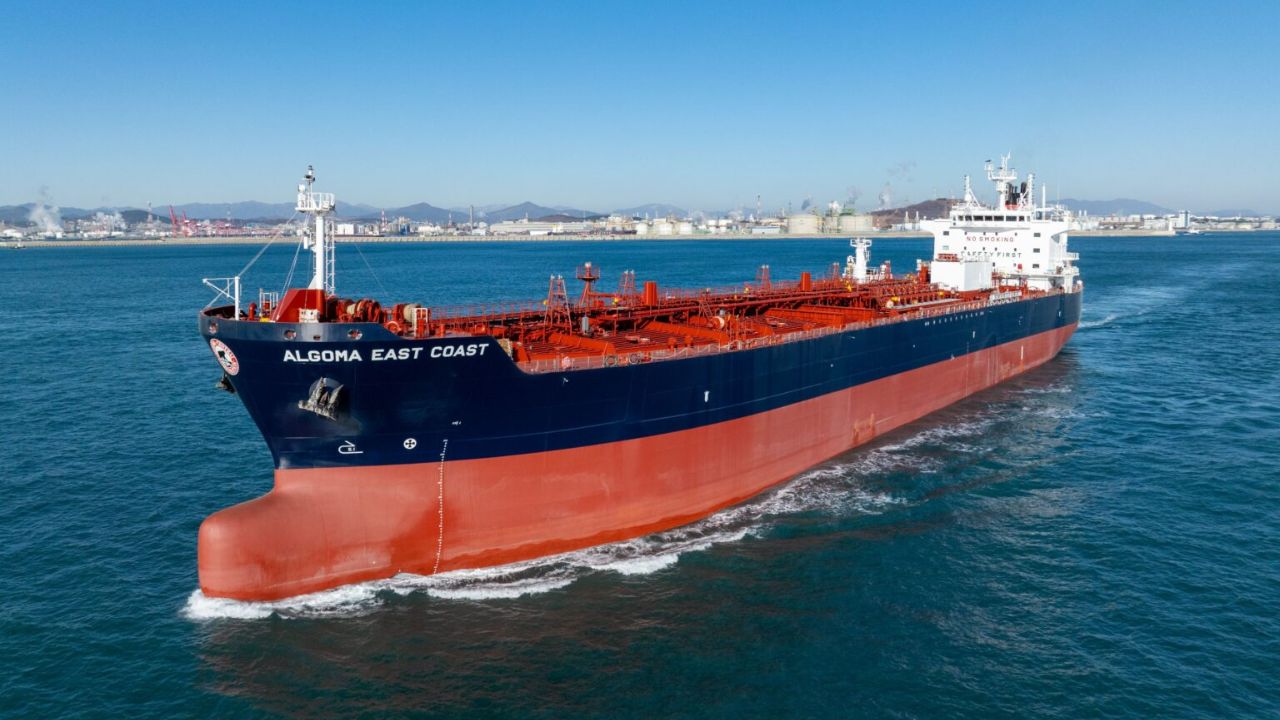

In Partnership with Irving Oil, New Tanker Arrives in Canada and Marks Progress in the Use of Alternative Fuels in the Maritime Sector.
Saint John (Canada), April 28, 2025 — Algoma Central Corporation has just added to its fleet the Algoma East Coast, a modern tanker with a deadweight tonnage (DWT) of 37,000 tons, designed to operate on methanol as fuel. The vessel arrived at the port of Saint John, Canada, and is already integrated into a charter contract with Irving Oil’s refinery. The information was released by the specialized website Offshore Energy.
Built in South Korea and Prepared for Extreme Cold
The Algoma East Coast was built at the Hyundai Mipo shipyard in South Korea and measures 184 meters in length and 27.4 meters in width. It received Ice Class 1B certification, enabling it to operate in maritime environments with ice, making it ideal for the Canadian Atlantic coast.
More than just robust, the tanker is technologically advanced: it is equipped to operate with shore power, significantly reducing carbon emissions while in port. It also features ballast improvement capabilities, specifically designed to optimize its performance in the Bay of Fundy.
-
The U.S. Navy Conducts Submarine Tests in Idaho Lake to Detect Underwater Noises Hidden by the Ocean

-
Nuclear Submarine USS Alexandria Retired After 35 Years, Having Completed Over 1 Million Miles in Missions

-
MODEC Introduces New Hull Design for FPSO Gato do Mato to Produce Up to 120,000 Barrels of Oil Per Day in Brazil’s Pre-Salt Region
-
This Massive 12-Meter, 21-Ton Underwater Drone Can Operate Autonomously for Up to Five Days


Sustainability in Practice with the New Tanker
The choice of methanol as the main fuel is part of Algoma Central Corporation’s strategy to reduce its emissions by 40% by 2030, with a goal of carbon neutrality by 2050. In addition to the Algoma East Coast, the company has also recently introduced vessels like the Algoma Endeavour and the Fure Vesborg, all aligned with the most modern sustainability standards, according to information from Irving Oil’s own portal.
Aboard the Algoma East Coast, every detail has been designed to meet the increasing environmental demands of international maritime transport. This includes the use of energy-efficient technologies and adaptation to new global emission regulations.
Partnership with Irving Oil Ensures Strategic Operation
The new vessel and its sister ship, Algoma Acadian, which is yet to be delivered, are part of a joint investment of CAD 127 million (approximately USD 96 million). Both will operate under the Canadian flag and will exclusively serve Irving Oil’s refinery in Saint John, performing frequent routes between Atlantic Canada ports and the U.S. East Coast.
This long-term partnership strengthens not only Irving Oil’s presence in regional supply but also positions Algoma as one of the leaders in the energy transition within the tanker sector.
A New Phase for Maritime Transport with Eco-Friendly Tankers
With the arrival of the Algoma East Coast, Algoma Central takes another step towards a cleaner and more modern fleet. The adoption of methanol and shore power reinforces the maritime sector’s urgency to reduce its environmental impact without compromising logistical efficiency.
The news, originally published by the Offshore Energy website, has been supplemented with data from Irving Oil itself, reinforcing the reliability of the information and highlighting the role of Canadian companies in transforming global maritime transport.