Portuguese
  Spanish


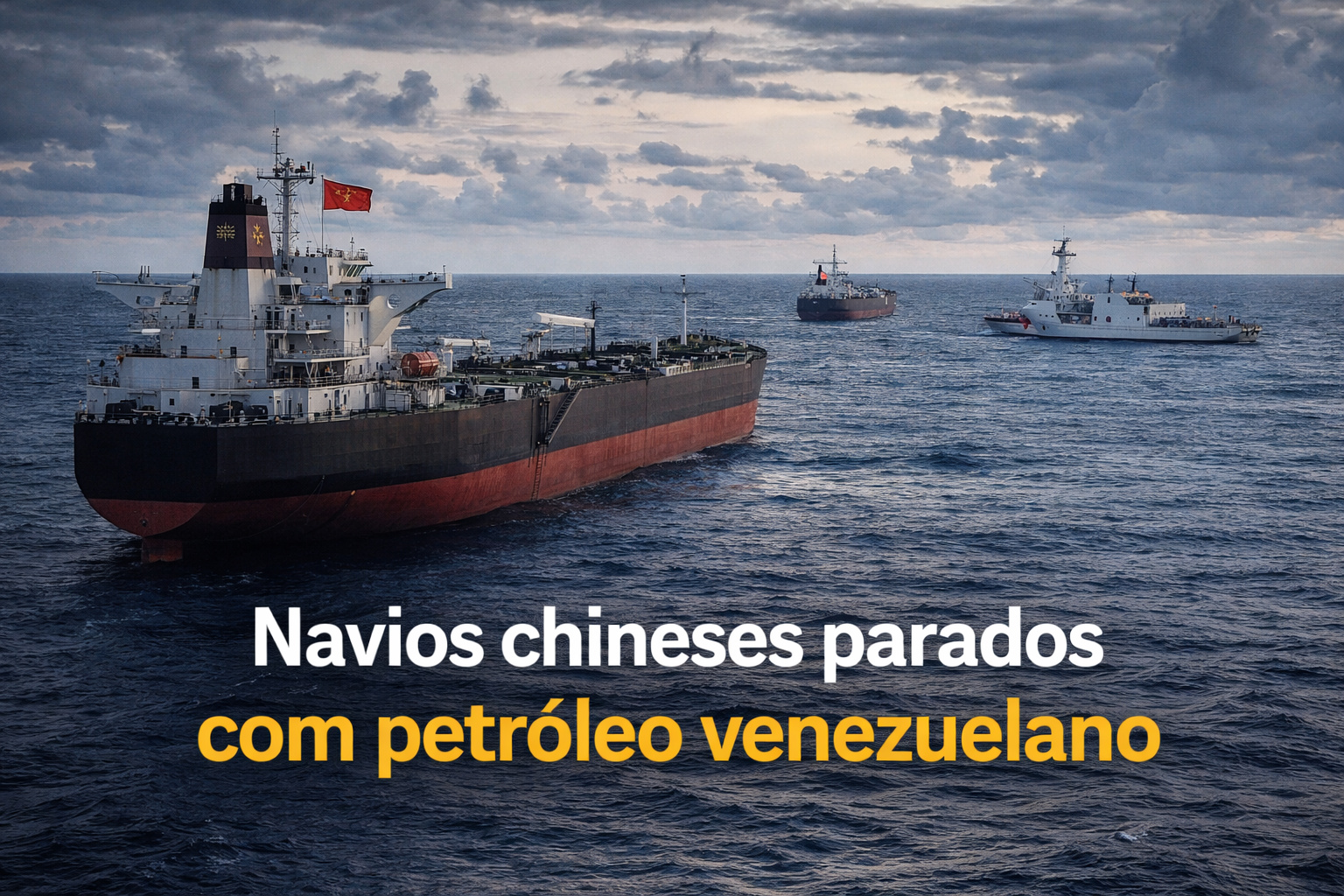


A fleet of Chinese tankers that transports oil from Venezuela has been stuck in the Atlantic in recent weeks.
The vessels are awaiting guidance on routes and unloading windows, as diplomatic tensions related to Venezuelan oil trade escalate.
According to reports monitored by navigation analysts, the situation arises at a time when the United States is increasing the monitoring of strategic cargoes.
The maritime tracking sector and sources linked to PDVSA itself confirm that several ships are anchored far from their usual ports.
Why Are Ships Stuck at Sea
The cargoes followed traditional routes towards Asia.
However, political and commercial changes have left some operations suspended.
As a result, the ships have reduced speed and docked at safe points in the ocean.
-
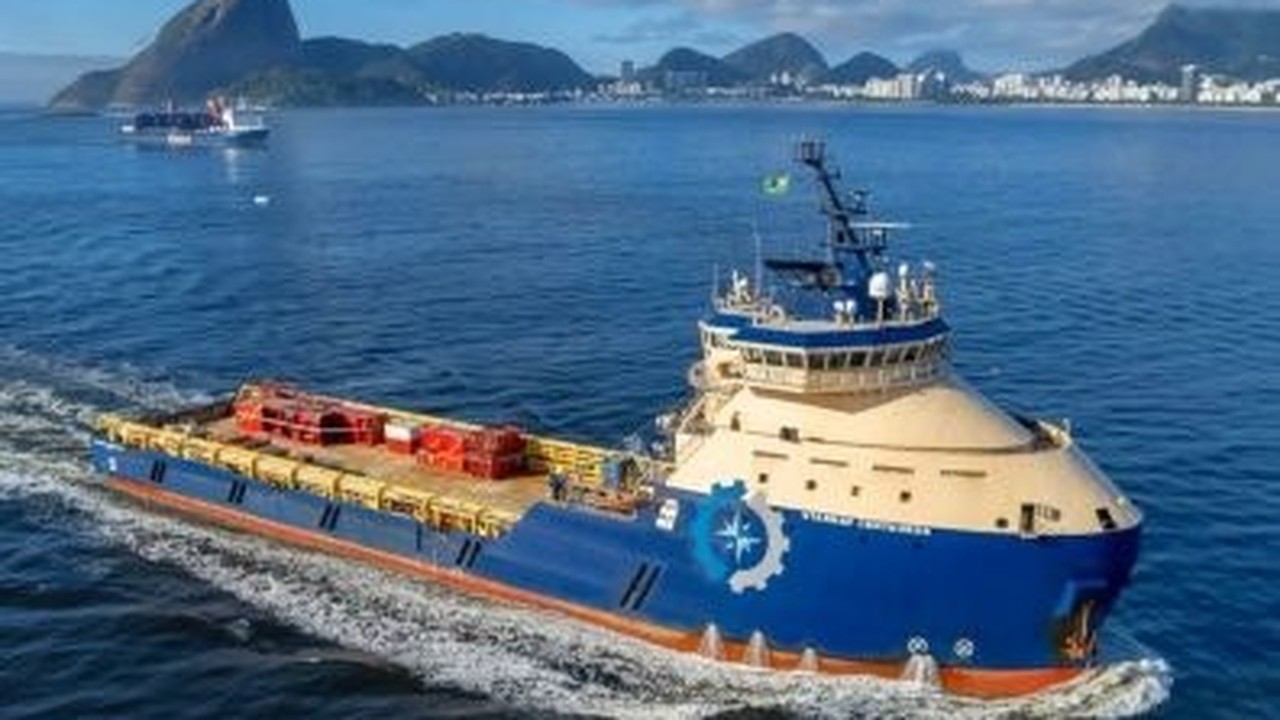
Starnav orders 10 hybrid vessels with German MTU engines in Itajaí and prepares fleet to serve Petrobras in the pre-salt for 12 years.

-
The Chamber releases R$ 10 billion to hold the price of diesel until December and proves that Brazilian fuel remains tied to Congress.
-
It’s official: Petrobras takes 75% of block 3 in São Tomé and Príncipe and debuts as an offshore operator outside South America.
-
With a record production of nearly 3 million barrels per day, Petrobras resumes importing diesel in July, highlighting the bottleneck in Brazilian refining.


Moreover, operators explain that the tankers are waiting for instructions from shipowners and buyers.
Venezuela continues to seek alternatives to export its oil, but the struggle for selling the product limits logistical decisions.
The Role of the United States in the Oil Route
American actions create uncertainty in exports.
Since Washington strengthened surveillance on ships linked to Venezuelan oil, companies are being more cautious before entering or crossing strategic areas.
Thus, any displacement must consider the risk of seizure or forced change in operations.
This reality creates delays, increases costs, and forces a reorganization of trips that previously occurred without prolonged interruptions.
Consequently, the Chinese presence in oil transportation has become a direct part of a larger struggle for influence in the Caribbean and the Atlantic.
Impacts for Venezuela, China, and Global Markets
The stationing at sea has immediate effects on the Venezuelan economy.
Without unloading and restarting loading cycles, the export flow diminishes, and the inflow of foreign currency slows down.
At the same time, Chinese buyers will have to negotiate deadlines, storage, and possible redirections.
This occurs during a period in which China seeks to diversify suppliers and maintain long-term contracts to ensure domestic supply.
Therefore, the deadlock affects the entire oil supply chain, from production and logistics to pricing and refinery planning.
Trackers Expose the Suspended Route
Navigation experts confirm the situation through platforms that track vessels in real-time.
The service TankerTrackers.com identified several ships classified as linked to Venezuelan trade.
At the same time, sources associated with PDVSA report that the state-owned company is monitoring the fleet and working to free cargoes as soon as possible.
Although the names of the vessels vary each week, analysts say this is not an isolated situation.
Therefore, the sector believes that similar episodes may continue as long as the political scenario remains uncertain.
Operational reports, data from TankerTrackers.com, and statements monitored by PDVSA have been mentioned by agencies such as Reuters while describing impacts on export routes in early 2026.
Thus, oil continues to dictate international movements, making clear that maritime logistics and foreign policy go hand in hand in the South Atlantic.