Portuguese
  Spanish


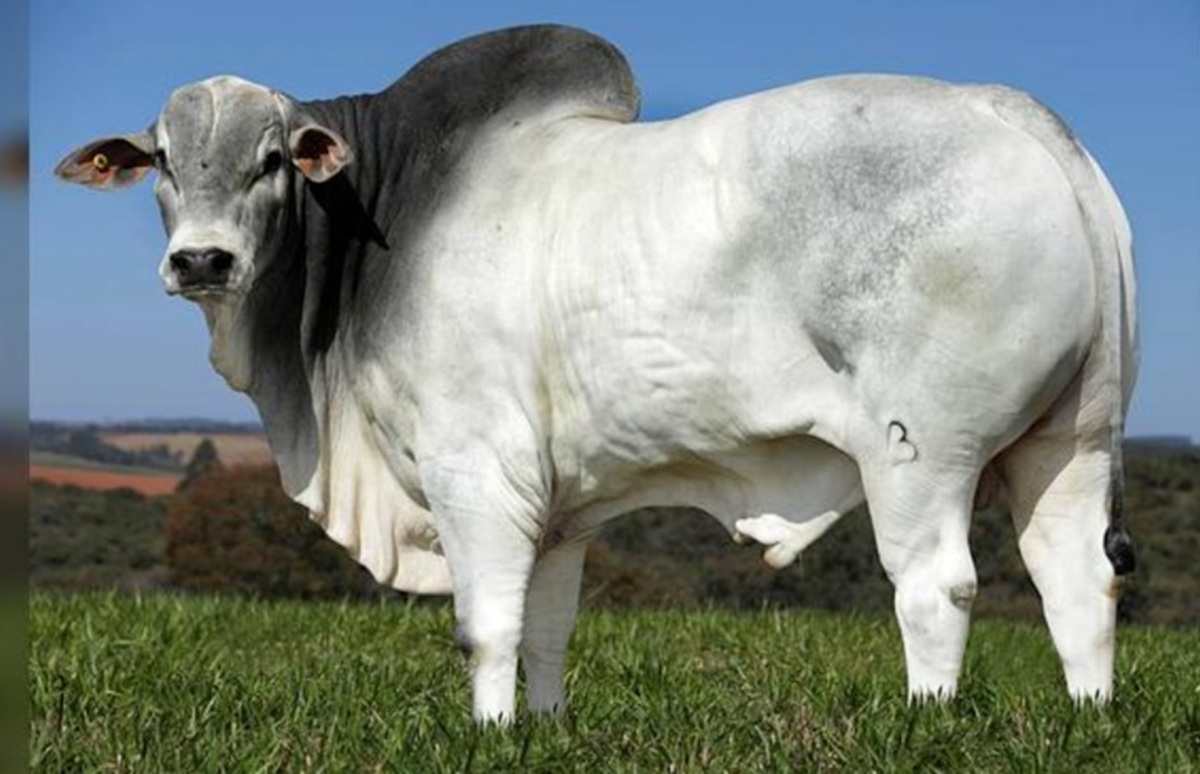


Nelore Conquered Brazil With Hardiness, Adaptation to the Tropical Climate, Impressive Weight, Resistance to Parasites, and High-Value Genetics
The Nelore carries a history that dates back more than 5,000 years, when Aryan tribes brought zebu cattle to the Indian subcontinent. From there, the breed traveled paths to become central to Brazilian livestock farming.
The official introduction to Brazil occurred in the 1960s when the first specimens landed in Salvador.
Initially, acceptance was timid. Ranchers valued animals with white coloring and more colorful zebu cattle from the West Indies.
-
India’s Sugar Export Cuts and Ethanol Shift Amid El Niño Threat Could Impact Global Prices and Stocks

-
Quarantine Pest Threatening Palm Trees Puts Brazilian Authorities on Alert, Prompts Monitoring at University of Taubaté and Potential Control Measures Across São Paulo
-
Global Alert: Report Finds 159 Pesticides in Coffee Beans Sold in Europe, Posing Serious Risks to Millions of Farm Workers
-
Low-Demand Brazilian Beef Offal Gains Popularity Abroad: Indonesia Purchases $19.5 Million, Boosting Revenue and Reducing Waste



But hardiness and rapid adaptation to the tropical climate changed the game. The breed began to stand out precisely for better resisting where European cattle struggled.
Distinct Characteristics
The Nelore has a unique set of traits. The coat varies from white to gray, with males displaying dark spots on their bodies, a result of testosterone’s action.
The prominent hump, typical of zebu cattle, and the black hooves draw attention, as does the long dewlap that reaches down to the navel.
Weight is another differentiating factor. Some specimens reach up to 1,200 kilograms. This robustness impresses but does not take away from their hardiness.
The Nelore thrives in simple pastures, withstands extreme heat, and resists endo and ectoparasites, points where European taurine breeds face challenges in Brazil.
It’s no wonder that about 80% of the national cattle herd is composed of Nelore. Today, it is estimated that 4 million heads are spread across the country, with a strong concentration in the Midwest.
Genetics and Improvement
In addition to meat, the Nelore has also become a reference in genetics.
Specialized farms invest in closed-lineage herds, direct descendants of the first animals imported from India.
One example is the Lemgruber lineage, which passed through Germany before arriving in Brazil and remains pure to this day.
These breeders focus on genetic improvement, offering breeders at annual auctions. Bulls around 31 months old are listed for sale, while part goes to insemination centers.
This way, the genetics of the Nelore are multiplied not only through natural breeding but also through artificial insemination and embryo transfer.
Management and Hardiness
Despite its reputation as a skittish animal, breeders emphasize that the behavior of the Nelore depends greatly on management. With appropriate techniques, it shows docility and productivity.
This reinforces the rancher’s role as directly responsible for performance.
The cattle have become essential in challenging regions like the Pantanal. There, cows nurse under harsher conditions, but the introduction of superior genetics has improved the quality of local animals.
Hardiness makes a difference: even in inhospitable environments, the Nelore guarantees meat production and adaptability that few breeds can achieve.
Marketing and Impact
The sale of genetics has become a consolidated business. Breeders offer bulls, females, and even doses of semen for artificial insemination.
The goal is to spread the best characteristics of the breed throughout Brazil and also to other countries.
Another common practice is using taurine recipients, usually crossed with Angus. They serve as “surrogates,” allowing greater utilization of genetic potential.
This strategy increases the production of high-quality calves without compromising the Nelore dams.
The Pride of Brazilian Agriculture
The presence of the Nelore has established itself as a symbol of the national agribusiness. Its hardiness, resistance, and adaptability have made it inseparable from the rural landscape.
At the same time, the work of genetic selection has elevated meat quality and opened the door to million-dollar businesses with auctions and genetics exports.
Today, the breed represents not only a technical choice but also a cultural one.
The Nelore has become part of the identity of Brazilian cattle ranching, reinforcing the importance of agriculture to the economy and global food supply.
After all, Brazil is a global leader in meat production, and the Nelore is at the center of this story.