






 Portuguese
  Spanish


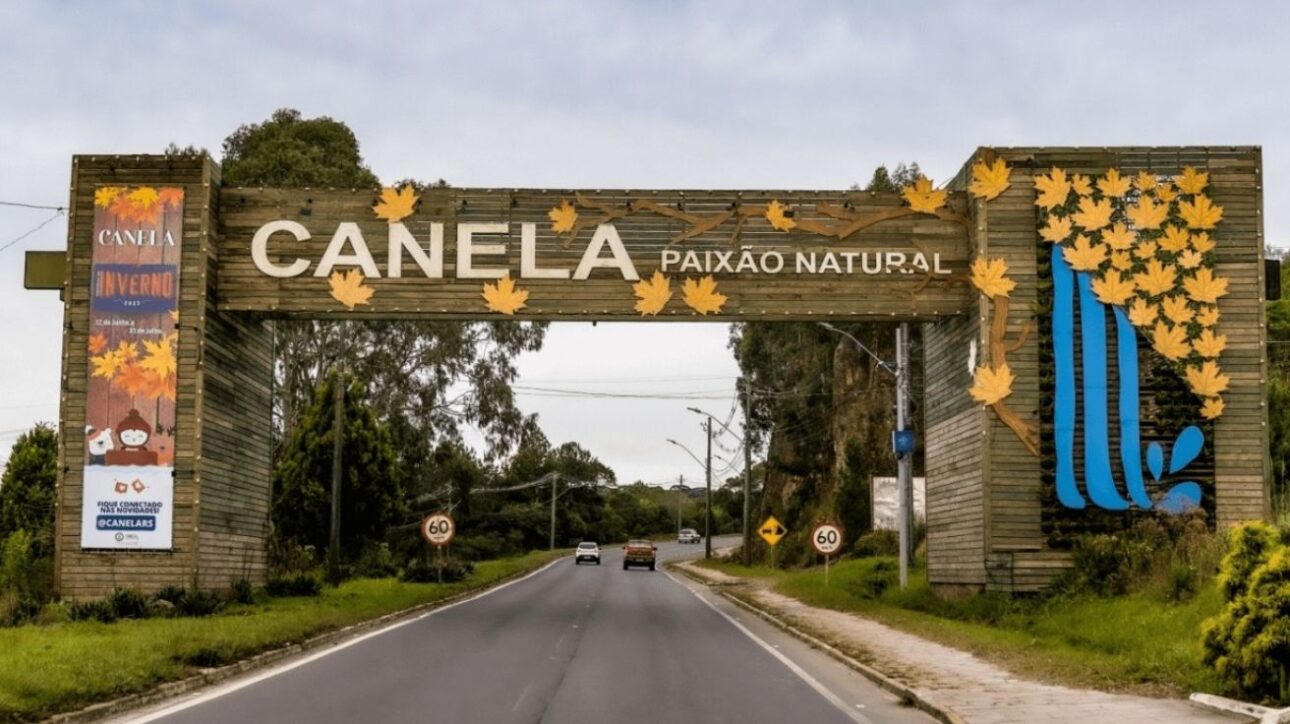
In The Heart Of Serra Gaúcha, Canela Surprises Visitors With Intense Cold, Charming Architecture And Landscapes That Recall Europe, Attracting Tourists Seeking Unusual Climate.
Canela, in Serra Gaúcha, challenges the logic of Brazil’s tropical climate and establishes itself as one of the coldest destinations in the country.
During winter, temperatures can drop to negative values, surprising even tourists from European countries accustomed to the cold.
The thermal sensation, often below zero, transforms the city into a true alpine refuge in the heart of Rio Grande do Sul.
-
Why the Same Citrus Fruit Has Different Names Across Brazil and How Varieties Differ

-
India Paints Road Red and Uses Smart Asphalt to Slow Drivers and Protect Wildlife in Nature Reserve

-
Yellow vs. White Fat: The Little-Known Difference That Can Impact the Quality and Flavor of Your Barbecue
-
60-Year-Old Kurt Kromm Fired Over $1.95 Cookie After 11 Years at Ford, Proves Payment and Lands Better Job




Alpine Structure And European Scenery In Southern Brazil
Located about 120 kilometers from Porto Alegre, Canela combines robust tourism infrastructure, preserved nature, and an aesthetic reminiscent of small towns in Germany, Switzerland, and Austria.
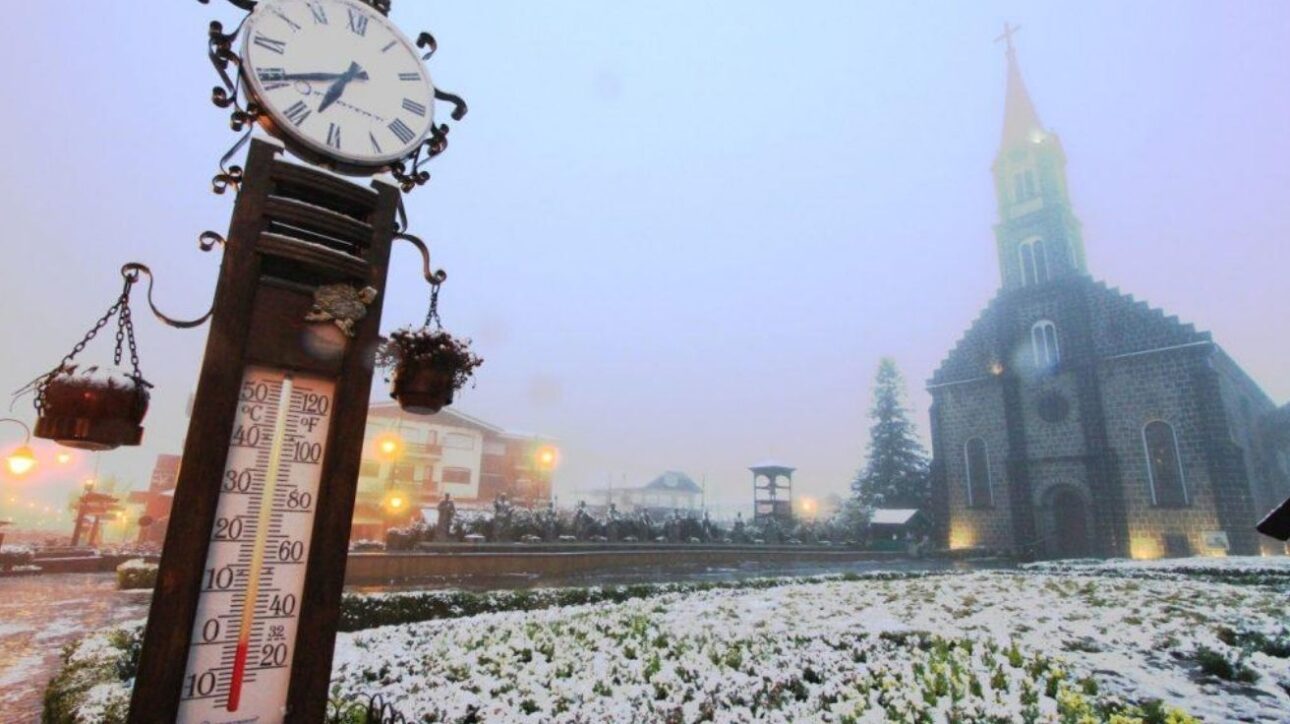
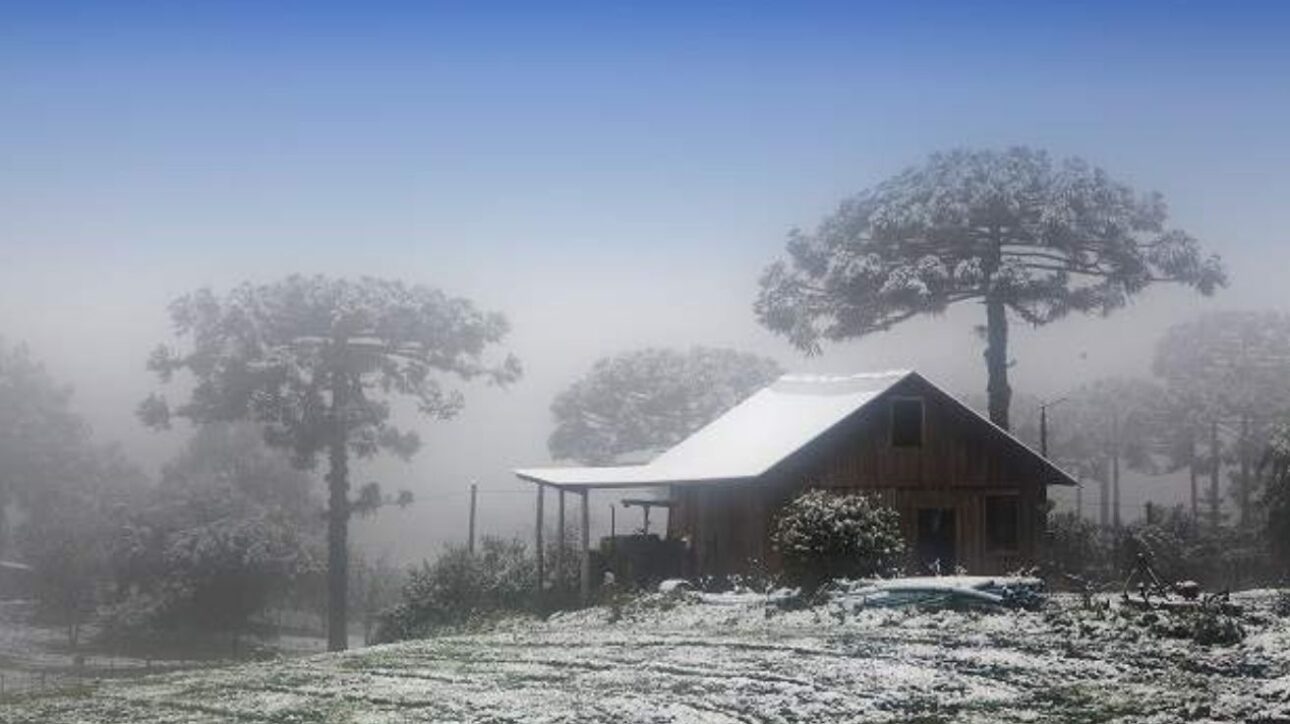
The city welcomes thousands of visitors each year seeking to experience a harsh winter, with intense frosts and, occasionally, even snow — a rare phenomenon, but not impossible there.
The cold season in Canela begins between May and June, peaking in July and August.
It is during this period that thermometers often register temperatures close to or below 0 °C.
According to the National Institute of Meteorology (INMET), the city has already recorded lows around −2 °C.
The combination of high altitude — about 840 meters — and the characteristic humidity of the region accentuates the thermal sensation, often more intense than officially recorded.
Impact Of Humidity And Wind On The Perceived Cold
This unusual climate for Brazilian standards attracts tourists from all over the country and also from abroad.
Many European visitors report surprise when facing the biting cold of Serra Gaúcha.
The local air humidity, combined with strong winds, contributes to making the thermal sensation more uncomfortable than what they experience in their home countries.
In many cases, jackets, scarves, gloves, and boots are not just recommended — they become essential for tackling the frozen streets of Canela.
Winter Tourism Drives The Local Economy
Winter tourism strongly boosts the local economy.
The city has more than a hundred dining establishments, from traditional restaurants to artisanal coffee shops.
Fondue, homemade pasta, hot chocolate, colonial coffee, and the traditional gaucho barbecue are part of the experience.
The European heritage, especially German, Italian, and Swiss, is visible both in the menus and in the architecture of the city.
Architecture And Events Strengthen The European Charm
Buildings in alpine style, wooden chalets, well-kept gardens, and decorated facades reinforce the European charm that marks the urban landscape.
Events such as Sonho de Natal and the International Puppet Festival transform Canela into a stage for performances that attract visitors even outside the high season.
These celebrations stimulate commerce and highlight the local cultural talent, as well as keep alive the city’s artistic identity.
Canela Is Also Noted For Quality Of Life
In addition to being a tourist hub, Canela is also recognized for the quality of life it offers its residents.
The city has solid infrastructure, with well-performing public and private schools, access to nearby universities, and equipped healthcare networks.
Safety is another positive point: crime rates are low compared to other regions of the country, a factor that attracts families, retirees, and entrepreneurs interested in investing in the tourism sector.
The local job market revolves around hospitality, gastronomy, commerce, and events.
Knitting shops, for example, see their sales grow up to 150% during winter, according to data from the Serra Knitters Association (AMS).
Visitors who arrive unprepared quickly seek thermal reinforcement in stores that offer hats, gloves, blankets, and jackets at prices more accessible than those practiced in large urban centers.
Exuberant Nature Completes The Touristic Appeal
Nature also plays a fundamental role in the city’s attractiveness.
The Caracol Park, with its 131-meter waterfall, is one of the most visited attractions in the region.
Ecological trails, natural viewpoints, and picnic areas attract those seeking direct contact with native vegetation.
Other locations, such as the Ferradura Park, offer panoramic views of canyons and valleys that become even more beautiful under the mist of a frosty dawn.
Even when there’s no snow, the frost transforms the landscape.


Cars, rooftops, lawns, and trees wake up covered with a thin layer of ice, reflecting the sunlight and composing postcard-worthy scenery.
The experience is especially striking for tourists from the North and Northeast of Brazil, where winter is more symbolic than real.
Canela Offers A Unique Cold Experience In Brazil
Canela therefore offers a singular experience: it is possible to feel the European cold, savor rich gastronomy, and explore breathtaking natural landscapes without leaving Brazil.
The city balances charm, infrastructure, and tradition, becoming increasingly sought after not just for tourism but also as a permanent living destination.
And you, would you be prepared to face negative temperatures in Brazilian territory — or would you also be surprised by the cold in Canela?


