Portuguese
  Spanish


The Capixaba Débora Sousa Rocha studied on a phone with a broken screen, without internet at home, and with books her mother, a scavenger, found on the streets. In 2022, on her second attempt at the Enem, she was accepted into medicine at two public universities. Her dream is cardiovascular surgery.
To keep her daughter’s phone working, Maria Miracena even took money from her own food. A recyclable material collector in São Gabriel da Palha, in the Northwest of Espírito Santo, she wanted her daughter, Débora Sousa Rocha, to fulfill a dream that was once hers, to study medicine. And Débora succeeded, being accepted into two public universities.
The story, told by g1 with TV Gazeta, is from 2022. It was that year, on her second attempt at the Enem, that Débora achieved the score to enter medicine, not at one, but at two colleges, in Feira de Santana, Bahia, and in Porto Alegre. All this studying on a phone with a broken screen, without internet signal on the land where the family lives.
The books that came from the street to the home table
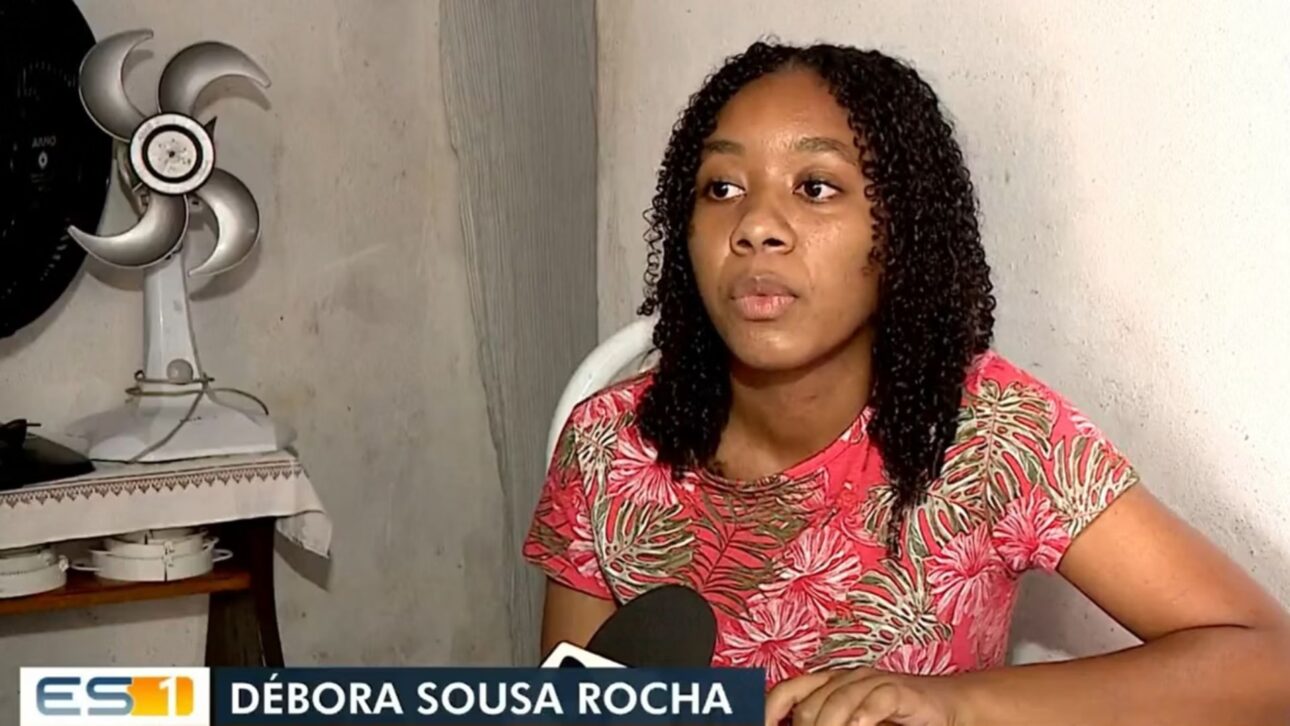
There was no money for private tutoring or a computer, and the internet signal did not reach the land, making online classes impossible.
-
Brazilian Construction Worker Moves to France, Earns Up to €2,500 Monthly with Home Renovations, Gains Social Media Attention

-
US Navy Sinks USS Oriskany with 230 kg of C-4, Creating World’s Largest Artificial Reef in 37 Minutes

-
U.S. Dumped Tanks, Jeeps, and Coca-Cola into the Pacific in 1945 After British and French Lowball Offer, Creating “Million Dollar Point”
-
WHO Warns of Unnecessary Interventions in Natural Births Worldwide, Advocates for More Human-Centered Care, Reigniting Debate on Medicalization





A student of the public network, Débora relied on a phone with a broken screen to follow high school and study for the Enem, aiming for medicine.
That’s when the books found on the street came in. Maria Miracena divided her work as a scavenger with the search for materials that could help her daughter, and what came from the streets ended up on the home table.
It was there that Débora pored over her studies late into the night, often after a work shift.
The teachers also helped, creating lists of content and activities on paper for her to take home and return corrected.
The reward came in double dose
The effort took its time. Débora did not pass on the first attempt, and it was only on the second, balancing part-time work with studies in the afternoon and evening, that she got the grade to enter medicine.
And it wasn’t just one acceptance. There were two, in Feira de Santana, Bahia, and in Porto Alegre.
Because it was closer to home, she chose Bahia, a neighboring state of Espírito Santo.
Even so, it was necessary to ask for help to afford the move and the trips, because the university’s maintenance aid exists, but it doesn’t come quickly.
The school mobilized and organized a fundraiser to ensure Débora could arrive and stay.
The first in the family and a dream of two generations
Débora is the first in the family to enter a university. And the dream of medicine, in fact, comes from before her.
The mother also wanted to be a doctor one day and didn’t have the same chance, so she fought for her daughter to have it.
Maria Miracena’s emotion sums up the story. She says she even took money from meat and other household items just to put credit on her daughter’s phone.
About the acceptance, she said she is a fan of Débora and summed it all up in one sentence, “I will be her first patient.”
The new dream, saving hearts in the operating room
With the spot secured, Débora already aims for the next step.
Now in medicine, she wants to specialize in cardiovascular surgery after graduating.
The choice has an emotional origin, it was seeing a heart surgery that made her fall in love with the field.
For her, it’s not just any plan. This is how Débora summed up the goal, by saying she wants to pursue it forever, “It’s a life plan.”
From a study desk full of books found on the street to the operating room, the path is long, but she has already shown she knows how to walk it.
Débora’s journey shows the impact that support at home and school can have.
From a broken cell phone and books picked up from the trash, she achieved acceptance into medicine at two public universities. The story is from 2022, but the example remains valid.
And you, do you know someone who overcame the lack of resources to achieve a dream like this? What moved you the most in Débora and her mother’s story? Share in the comments, with respect for different journeys, and share this article with someone who needs a push not to give up on their studies.