






 Portuguese
  Spanish
  2 min of reading
  0 comments


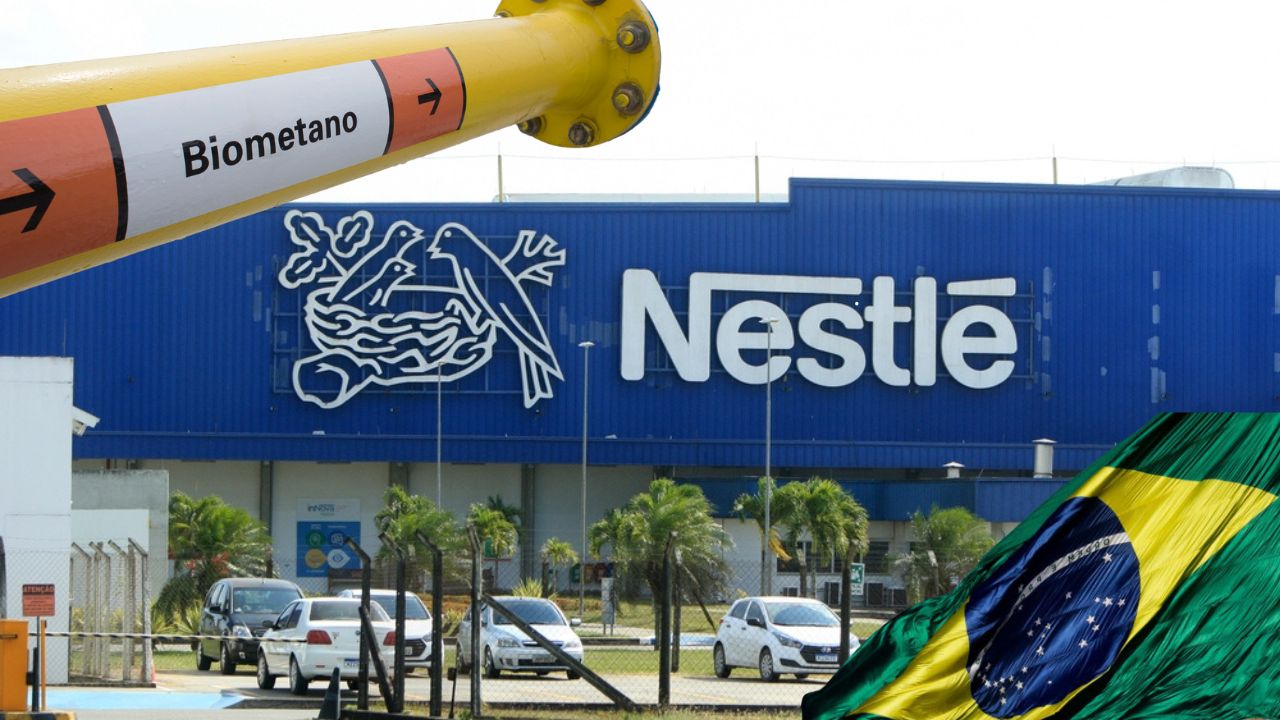
In Search Of Reducing CO2 Emissions, Nestlé Converted Its Aracatuba Plant To Biogas And Plans To Adopt Renewable Gas In Three Other Units By 2026.
Nestlé has taken a significant step towards sustainability by starting to use biogas at its Aracatuba (SP) plant. This is the first unit of the food giant to adopt renewable gas, with the expectation that three more factories will make this transition by 2026, reinforcing the company’s commitment to reducing CO2 emissions by 50% by 2030.
The Aracatuba unit began using biogas to generate hot air in the milk powder production process, supplied by Ultragaz.
This change marks the beginning of a broader strategy by Nestlé to include renewable gas in its production process, helping the company achieve ambitious environmental goals and contribute to a cleaner energy matrix.
-
Oil production grows in Rio, but reserve replacement raises a warning sign

-
Petrobras is expected to complete the drilling of the Morpho well in the Foz do Amazonas in August 2026, the first well in the Equatorial Margin, an oil frontier that the ANP estimates at more than 30 billion barrels and could redraw the map of Brazil.

-
Oil returns to the center of concerns with tension between the US and Iran

-
IEA reduces forecast for global oil demand in 2026 after impacts of the Middle East crisis



Biogas By 2025 Will Be Completed
In addition to Aracatuba, the next plant to operate with biogas will be the Caçapava (SP) unit, one of the most important in Nestlé’s chocolate sector. The transition to renewable gas is expected to be completed by 2025, with supplier Gás Verde taking over the supply for the plant.
The Ituiutaba and Ibiá units, located in the Triângulo Mineiro, are also on the list for future conversions, planned for 2026. In these factories, biogas will replace LPG in chambers, ovens, and boilers, thanks to the supply contract established with Ultragaz.
Sustainability Goal
The introduction of biogas into Nestlé’s operation is part of a broad sustainability initiative, aiming to reduce its CO2 emissions by 50% by 2030 and achieve net zero status by 2050.
In parallel, the company is also betting on wind energy to supplement its emissions reduction strategy. In partnership with Enel, Nestlé has created three consortia for the self-production of wind energy that will supply five factories in São Paulo, Espírito Santo, and Minas Gerais.
These wind farms are located in the Cumaru complex in Rio Grande do Norte and are operated by Enel Green Power.
With this series of actions, Nestlé aims not only to consolidate its role as a reference in environmental practices in the food sector, but also to inspire other companies to adopt biogas and renewable gas in their operations.







Be the first to react!