Portuguese
  Spanish




Nippon, Mitsubishi, and ExxonMobil Assess CCS (Carbon Capture and Storage) Project in the Asia-Pacific Regions.
Nippon Steel, a Japanese steel company led by Eiji Hashimoto, signed a Memorandum of Understanding (MoU) on Wednesday, the 25th, with Mitsubishi Corporation, led by Katsuya Nakanishi, and ExxonMobil, headed by Irtiza Sayyed, to explore investment possibilities for a value chain in carbon capture and storage (CCS) projects in the Asia-Pacific regions.
With a Focus on a Carbon-Neutral Society, Nippon, Mitsubishi, and ExxonMobil Assess the Development of the Project
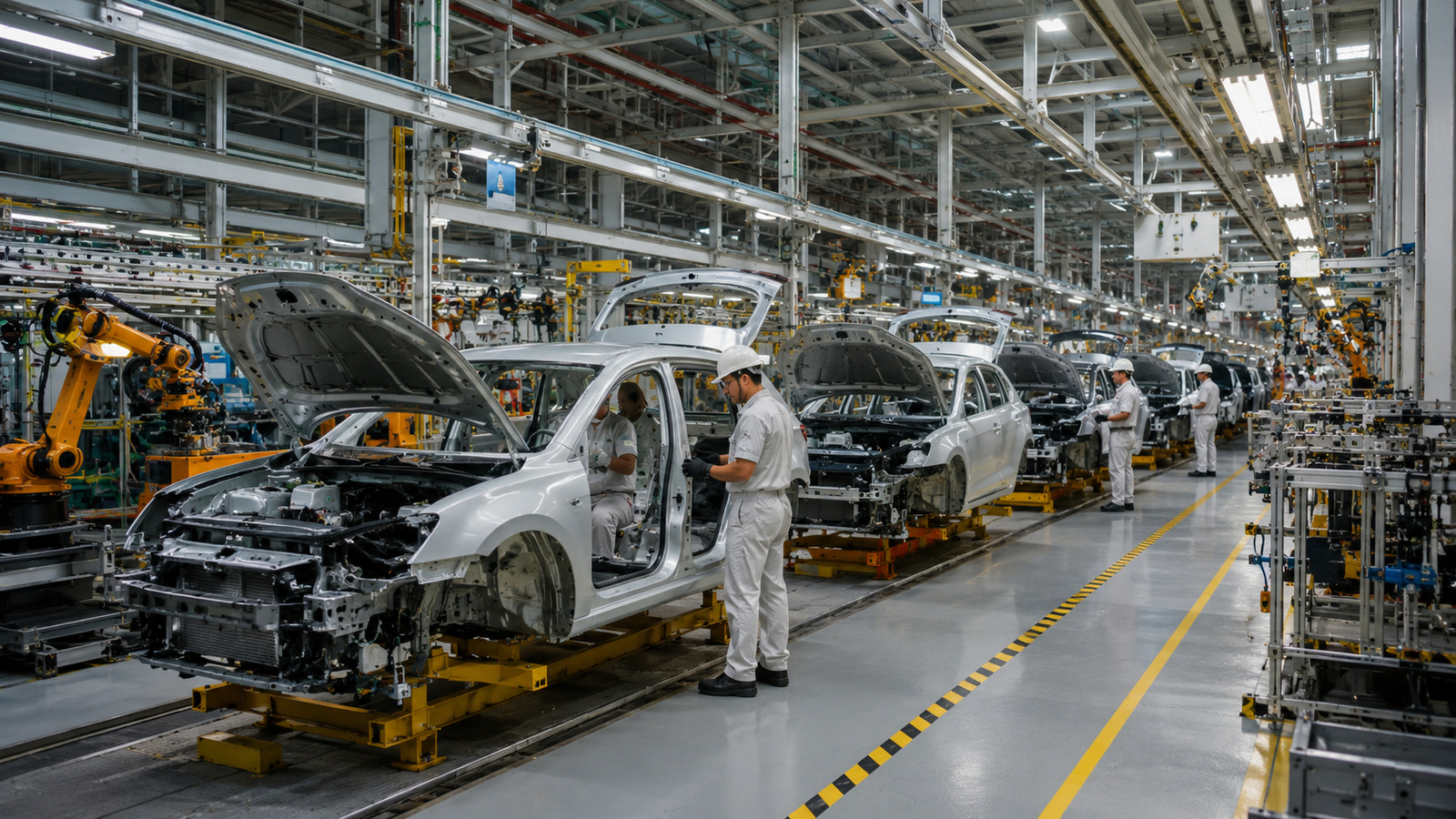
According to the Memorandum, the three companies intend to research the application of CCS in Nippon’s steel plants. Additionally, they propose to evaluate the development of the necessary infrastructure for such a project.
The agreement includes a detailed analysis of storage opportunities in the Asia-Pacific, also including Malaysia, Indonesia, and Australia.
-
Longest Solar Eclipse of the Century Will Turn Day to Night for Over 6 Minutes, Allowing Star Gazing; Won’t Recur for 156 Years

-
Brazilian Researcher Develops Protein Supplement from Tilapia Waste, Combining Innovation and Sustainability with Economic Potential

-
Women in São Paulo Unknowingly Tracked by Coin-Sized Tags Hidden in Cars and Belongings, Raising Stalking Concerns
-
Near a $750 million AI data center in Brazil, a resident’s well runs dry, leaving her unable to afford the $25,000 needed for repairs.


Mitsubishi Corporation intends to study the international transport of CO2 and the development of the value chain for CCS. This will be the first study focused on the subject developed in Japanese territory, where the goal is to store greenhouse gas abroad.
Nippon has identified CCS as one of the main technologies in its carbon neutrality plan by 2050, considering it a medium to long-term management strategy for emissions. The project was announced this week and is already beginning to move toward the future.
The Japanese company will assess the safety of offshore CO2 storage sites generated by steel plants, infrastructure, policy and regulatory needs, and the cost feasibility of the project.
Mitsubishi Corporation has identified Energy Transformation (EX) as an important initiative in its roadmap for a carbon-neutral society.
CCS in Petrochemicals
ExxonMobil is also betting on carbon capture and storage around the world. In Europe, the company has teamed up with three other oil and gas companies in a partnership for large-scale offshore CCS in the L10 project.
These oil companies aim to share existing infrastructure and have a plan ready by the end of the year, thus storing up to five million tons of CO2 in fields off the Dutch coast.
The oil companies plan to share existing infrastructure and have a project ready by the end of the year to store up to five million tons of greenhouse gases in fields off the Dutch coast.
In the United States, ExxonMobil closed the largest CCS commercial agreement last October with CF Industries, a manufacturer of hydrogen and nitrogen products. The project, scheduled to go live in 2025, will capture and permanently store up to 2 million tons of CO2 per year in Louisiana.
Additionally, in the US, the company is making agreements in the Houston CCS Alliance, an initiative of energy and petrochemical companies focused on promoting technology in Houston’s industrial area.