Portuguese
  Spanish


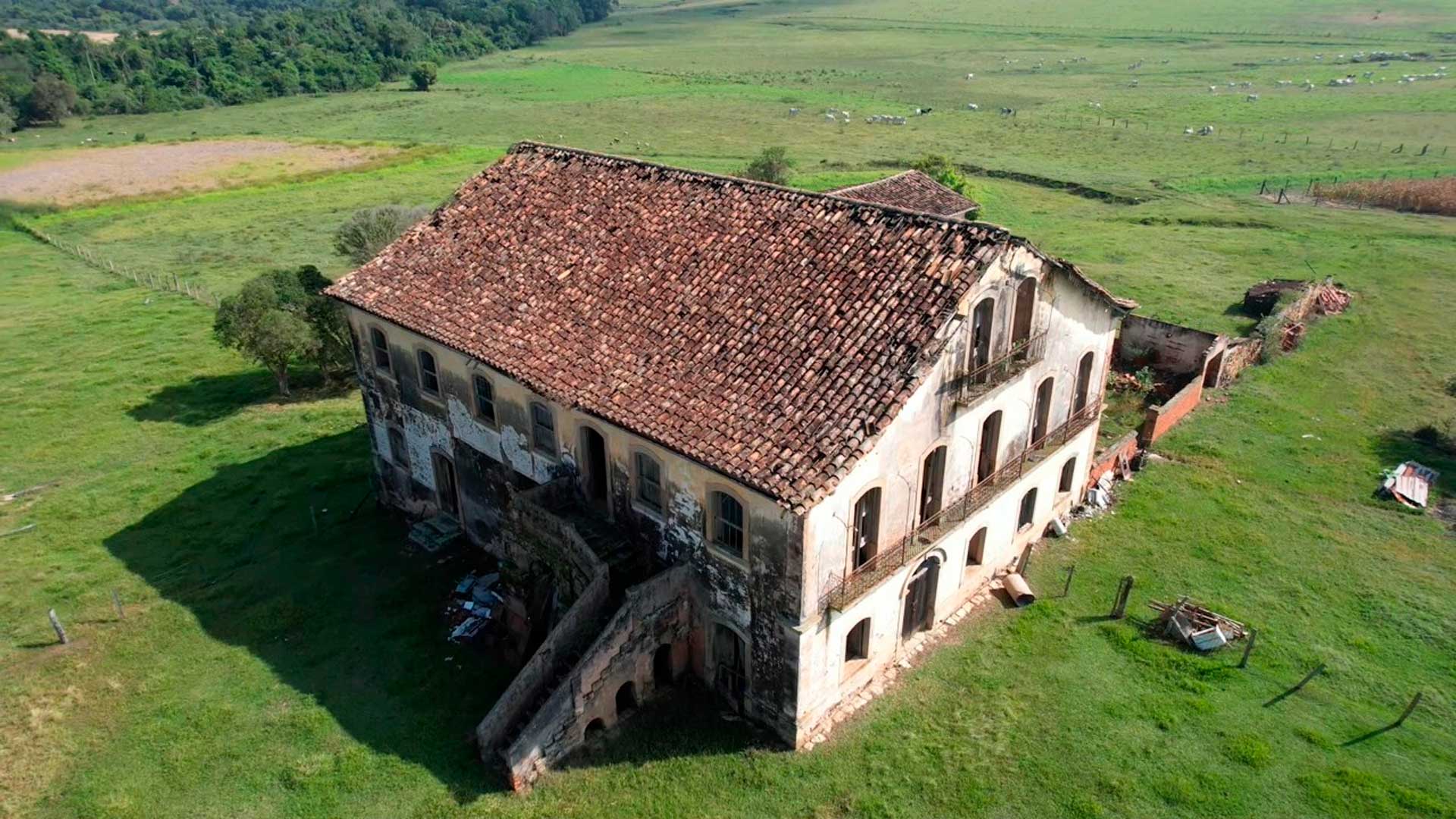


The Abandoned Mansion Amid the Sugarcane Fields of Rio Claro, Built in 1883, Divides Opinions Among Researchers and Local Residents, Who Report Ghostly Appearances and Inexplicable Phenomena at the Heritage Listed by Condephaat
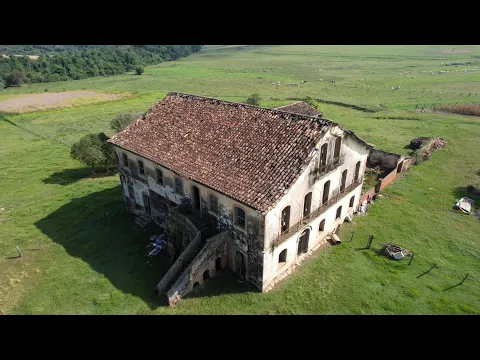
In the Ajapi district, rural area of Rio Claro, São Paulo, there stands a building that elicits both fascination and fear: the Grão Mogol Farmhouse, also known as Fazenda Angélica. The historical heritage, built in 1883 by Gualter Martins Pereira, the Baron of Grão Mogol, has become the scene of numerous reports of paranormal activities and hauntings.
The property was one of the first to be listed by Condephaat (Council for the Defense of Historical and Artistic Heritage of the State of São Paulo), recognizing its architectural and historical importance.
The construction represents a rare example of rural Paulista architecture, with Bahian influences and a masonry construction technique, from the foundation to the roof.
-
Driver Crosses 100-Year-Old Railway Bridge Over Uruguay River, Encounters Rural Couple Preserving Traditional Farming Methods

-
Rural Producer Returns to Brazilian Farmland, Builds Family Agricultural Business with Children’s Support and Industry Backing
-
Goiás Couple Boosts Artisan Cheese Production from 25 to 70 Kilos Daily with Technical Support, Transforming Family Life in Rural Brazil
-
13-Year-Old Discovers Ancient Roman Ring Near Mount Carmel, Now Set for Display in Jerusalem



The property currently belongs to the Rossi family, descendants of Pedro Rossi, who acquired part of the farm in 1924. Despite its historical value, the mansion is in an advanced state of deterioration, challenging preservation efforts and further fueling the legends surrounding it.
A Baron’s Story Between Two Contradictory Versions

Gualter Martins Pereira was born in 1826 at the Santo Antônio Farm in Itacambira, Minas Gerais, a region that at the time was part of the Arraial de Grão Mogol. In 1873, he earned the title of baron as a reward for his wartime efforts after organizing a Volunteer Corps to fight in the Paraguayan War.
In 1876, the baron moved to Rio Claro after acquiring Fazenda Angélica in a London Bank auction. The property, which originally produced sugarcane, began cultivating coffee in the late 19th century, benefitting from the establishment of the railway in the region. It is estimated that around eighty slaves worked on the construction of the house in 1880, using enslaved labor from Minas Gerais and Bahia.
The figure of the baron is shrouded in historical contradictions. In Grão Mogol, Martins Pereira is depicted as a generous politician responsible for significant works. In Rio Claro, he is regarded as a cruel coffee baron. According to researchers, this duality reflects the subjective nature of memory and the differing perspectives on the slavery period in Brazil.
The baron was one of the pioneers to replace enslaved labor with free labor in Brazil and on February 5, 1888, when Rio Claro freed its slaves, he publicly renounced his noble title. He passed away on December 15, 1890, and was initially buried in the São João Batista Cemetery in Rio Claro.
The Controversial Legend of the Imprisoned Baronesa
One of the most circulated stories about the mansion involves the baroness, the baron’s wife. There are accounts that the baron fell in love with a slave from the farm and, after his wife ordered the slave’s execution, the baron imprisoned the baroness in the highest part of the farmhouse for seven years. According to popular narrative, the baroness went insane and threw herself out of one of the upper windows.
However, this version is strongly contested by the current owners. João Rossi, a conservator and restorer, emphasizes that the farm is not haunted, nor was the baroness, who practically never lived in the house and was never imprisoned or chained.
Rossi and Sandra Rossi Mattos, members of the owning family, have been working to write the true story of the farm, seeking to separate facts from legends.
The video transcription mentions small doors on the third floor where the baroness supposedly remained imprisoned, and recounts sightings of her silhouette on the walls and stairs of the mansion. These narratives continue to feed the popular imagination, even in light of historical counterarguments.
Reports of Paranormal Phenomena Intrigue Visitors
Various testimonies recount inexplicable experiences in the mansion. In the transcription of the viral video about the location, content creator Pardal states that he slept under a bed in the baron’s room and, during the night, saw a pair of boots passing by the bed, stopping in front of the window, and then leaving.
The video also records a peculiar episode during the drone filming: a hawk suddenly flew out from within the mansion and attacked the equipment, nearly bringing it down. The narrator also mentions seeing “things passing” and moving inside the empty mansion, as well as identifying a silhouette of a woman on the wall near one of the doors.
The mansion has very impactful supernatural stories, and the baron’s tomb is described as one of the strangest places to visit, according to reports from paranormal investigators. The atmosphere of abandonment and deterioration contributes to amplifying the discomfort reported by visitors.
Tomb Amid the Sugarcane Field Hides a Story of Redemption
The story of the Baron of Grão Mogol gains an even more unusual chapter after his death. Thirty years after his burial at the São João Batista Cemetery, a relative found a letter expressing the desire to be buried in the cemetery for enslaved people that he maintained on his farm. The woman fulfilled the baron’s wish and had his remains exhumed.
The baron’s tomb is located in a clearing in the middle of a sugarcane field, in the rural neighborhood of Mata Negra. During the period it was owned by the London and Brazilian Bank in the 1870s, a smallpox outbreak occurred. Due to the impossibility of transporting the dead to be buried in the city cemetery, the construction of a cemetery on the farm was authorized.
According to the video, more than 170 enslaved individuals are buried at the site where the baron was laid to rest. The stone cross marking the tomb used to have a bronze plaque inscribed: “Obeying his last wish, here rest the remains of Gualter Martins Pereira: the Baron of Grão Mogol. Pray for him.”
The tomb has become a point of visitation and, interestingly, a place where people leave coins and make requests, believing that the baron grants the wishes of visitors. This devotional practice intrigues researchers and demonstrates how popular memory constructs its own narratives about historical figures.
Between Historical Preservation and the Culture of Terror
The Barão de Grão Mogol Mansion represents a contemporary dilemma regarding historical heritage and collective memory. While the owners struggle for resources for restoration, the property deteriorates rapidly. Each year, structures like floors, stairs, and roofs become more precarious, putting at risk not only the physical heritage but also the stories it holds.
The Rossi family has sought support to preserve the mansion, highlighting its architectural importance as a unique example in the state of São Paulo. However, the haunting legends end up attracting a specific type of tourism: that of paranormal phenomena and sensationalist programs, which often prioritize entertainment over real history.
The discussion about the baron’s true nature remains open. Was he the cruel slave owner of popular legends or the progressive politician who anticipated abolition and wished to be buried alongside those he worked with? The truth likely lies somewhere between these two versions, reflecting the complexity of power relations in enslaved Brazil.
The mansion stands tall, a silent witness to a past that still provokes heated debates. Whether through reported apparitions, unique architecture, or the controversial history of its founder, Fazenda Grão Mogol remains one of the most enigmatic places in the interior of São Paulo, challenging visitors to separate myth from reality.
Do you believe in the ghost stories or think they are just legends created by popular imagination? Should the Baron of Grão Mogol be remembered as a villain or a visionary? Share your opinion in the comments and let us know if you know other stories about haunted historical mansions in Brazil.