





 Portuguese
  English
  Spanish
 5 min of reading
  0 comments


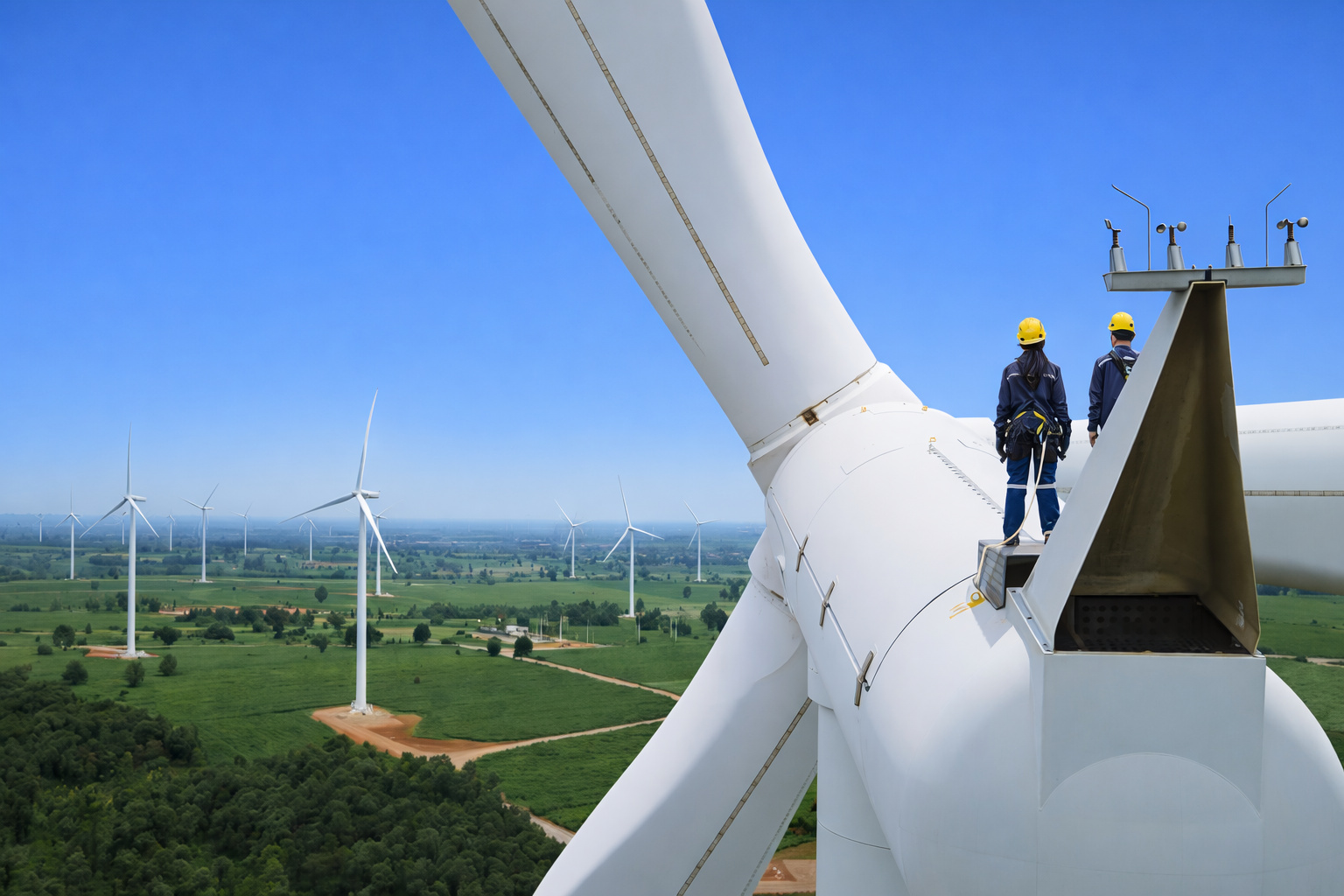
Bahia Reactivates a Wind Turbine Tower Factory in Jacobina and, Thus, Creates Jobs, Attracts Investments, and Strengthens the Clean Energy Industry in the State.
In recent years, Bahia has been consistently advancing in the energy transition, establishing itself as one of the most relevant states in the country in the use of renewable sources. In this context, the resumption of activities at the wind turbine tower factory in Jacobina represents a decisive step for the industrial and energy development of the state.
The contract signed between EDF Renewables and Goldwind formalized the reactivation of the unit during a ceremony held in Camaçari, in the presence of Governor Jerônimo Rodrigues. Thus, the state demonstrates its ability to align public planning and private investments.
Furthermore, the state government includes this resumption in a long-term strategy aimed at expanding renewable energies, seeking not only to generate energy but also to internalize industrial value.
-
Giant of the winds in Rio Grande do Norte: Serra do Tigre Wind Complex receives new investments and accelerates the expansion of clean energy generation to supply millions of Brazilian homes.
-
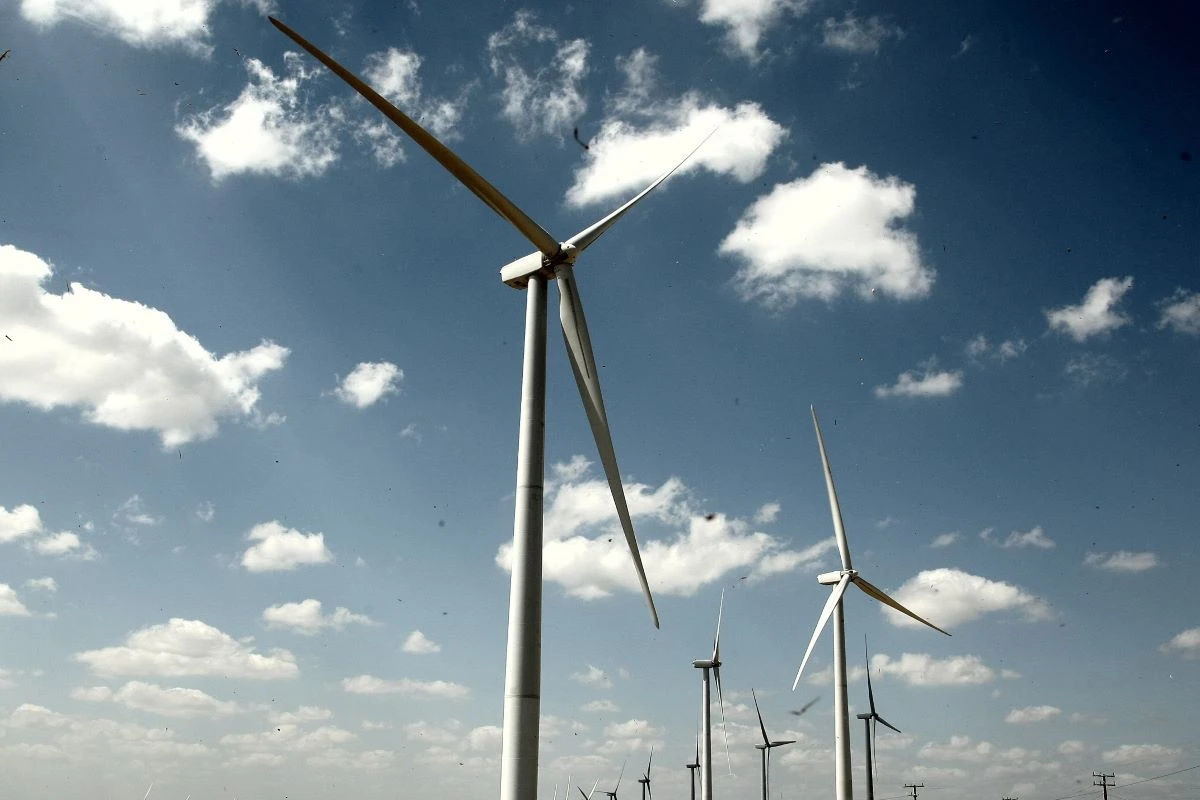
Urgent energy transition: Greenpeace advocates for massive investments and points to Brazil as a global leader in wind energy production in the coming years.
-
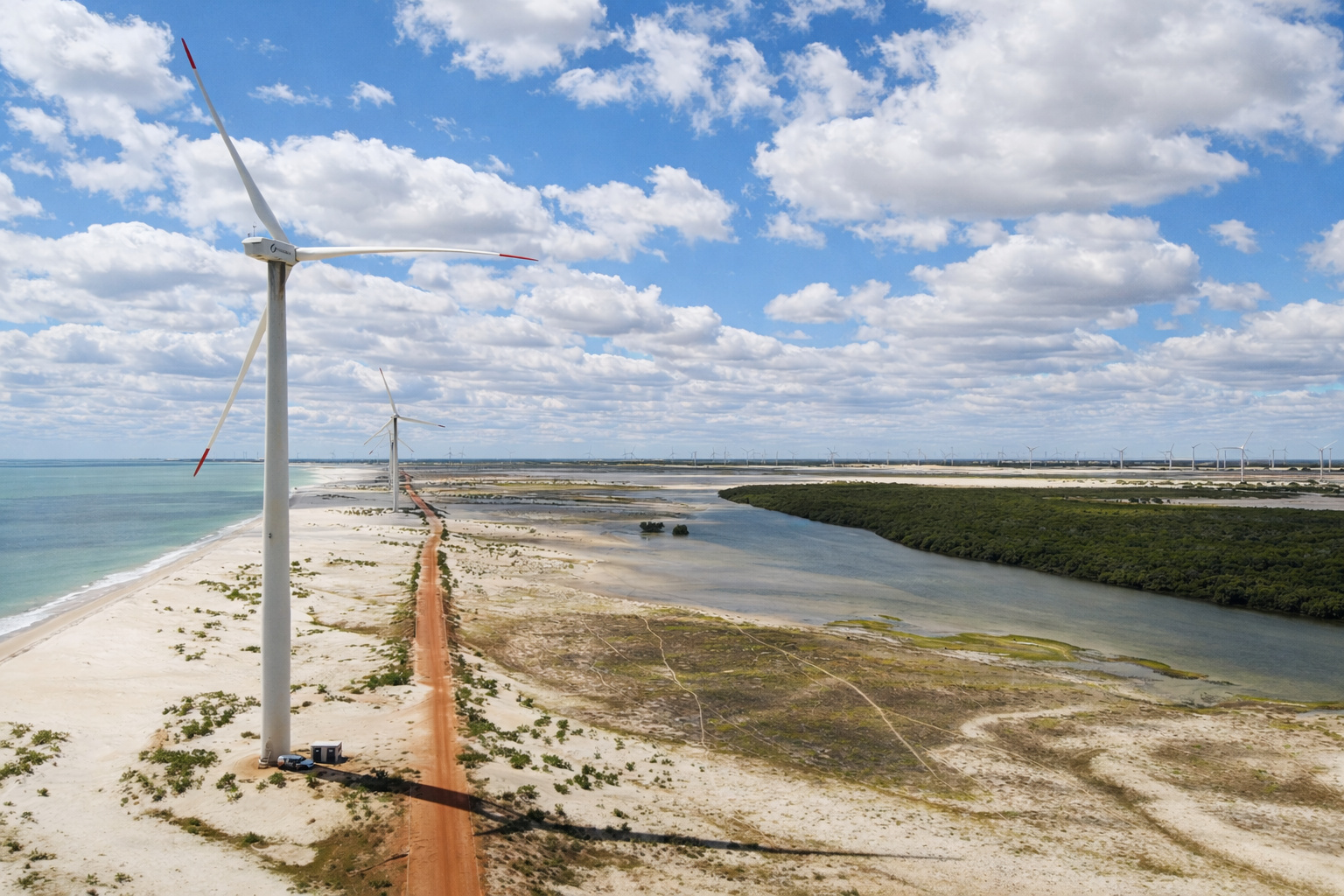
Conflict in the Sertão: Rural communities in Rio Grande do Norte report issues with wind farms and the new challenges of clean energy in the semi-arid region.
-
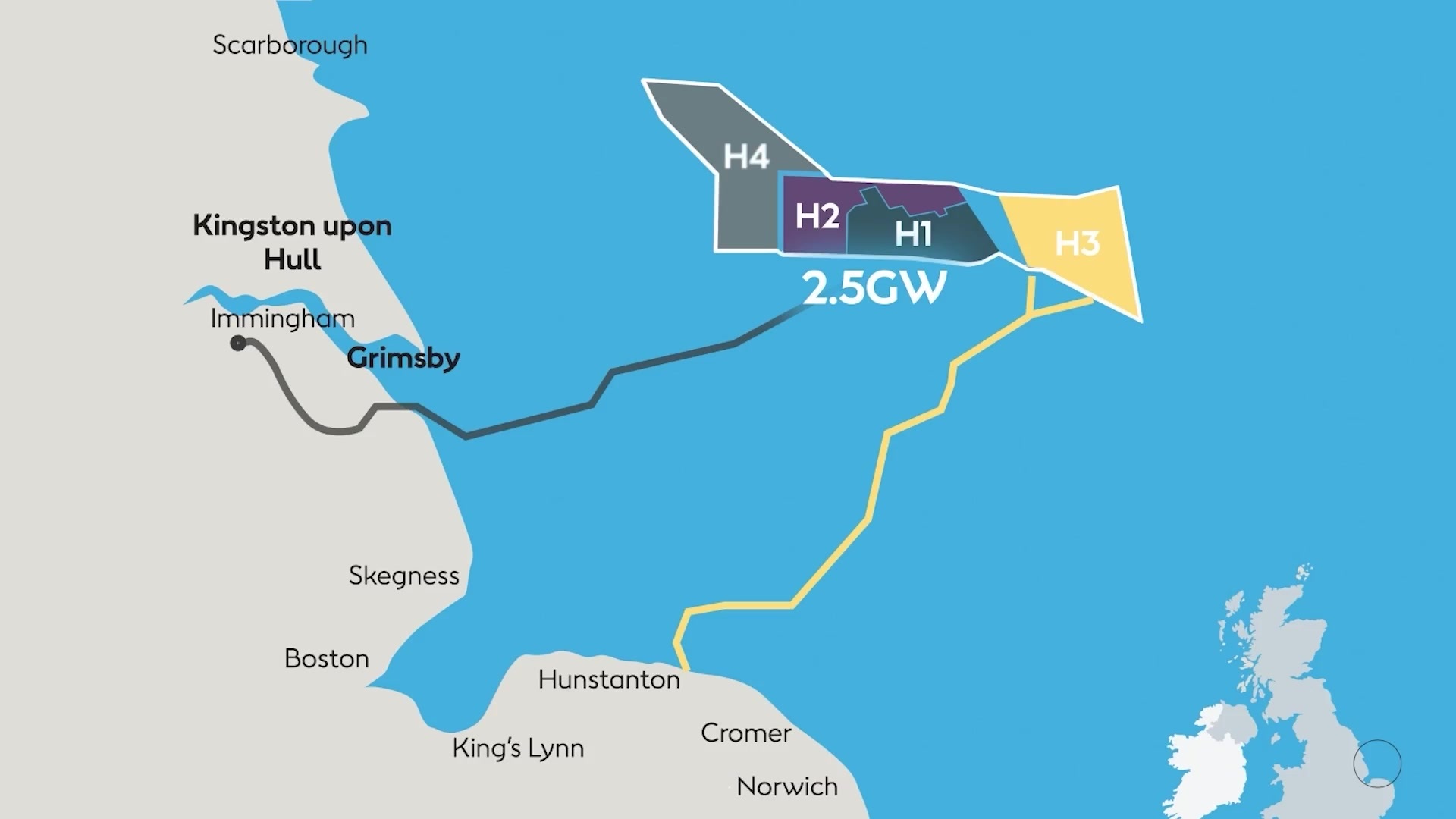
231 turbines of 260 meters at 160 km from the coast, monopiles weighing as much as nine blue whales embedded in the North Sea, and a crane ship taller than the Eiffel Tower: Hornsea 3 will be the largest offshore wind farm on the planet by 2027, and its first components have already arrived in England.

At the same time, this policy reduces carbon emissions and strengthens the local economy. In this scenario, the wind turbine tower factory assumes a central role, as it directly links clean energy generation to the industrial and technological growth of Bahia.
Historically, the Jacobina unit has held a relevant position in the wind production chain. However, after a period of inactivity, the factory returns at a time of greater maturity in the sector. Now, the resumption preserves the accumulated technical knowledge, while incorporating new technologies and industrial standards. Thus, production keeps pace with market evolution, which demands more robust, efficient structures tailored to higher-capacity wind turbines.
In addition to technological advancement, the presence of the wind turbine tower factory in the interior of the state contributes to decentralizing economic development. By doing so, the project reduces regional inequalities and creates opportunities outside major urban centers, promoting more balanced and sustainable growth.
Strategic Choice of Jacobina and Regional Impacts
In this sense, the choice of Jacobina for the reactivation of the factory was not a coincidence. The city has logistical conditions, available workforce, and proximity to regions with high wind potential. As a result, production becomes more efficient, reducing operational costs and improving the competitiveness of the Bahian industry compared to other hubs in the country.
Moreover, the reactivation of the wind turbine tower factory generates direct and indirect impacts on the local economy. On one hand, the project boosts commerce, stimulates the service sector, and encourages new businesses. On the other, it increases municipal revenue and strengthens the capacity for public investment in infrastructure and social policies.
At the same time, the generation of qualified jobs stands out as one of the most significant effects. The factory demands technical professionals, engineers, and specialized operators. Thus, it stimulates training and professional qualification programs, creating opportunities for young people and workers in the region in a higher value-added sector.
In addition to private investments, the Bahia government reinforces this favorable environment through tax incentives, legal security, and industrial attraction policies. In this context, intent protocols ensure predictability and confidence for investors. Consequently, a robust industrial ecosystem is consolidated around the wind turbine tower factory.
Social Benefits and Sustainable Development
From a social perspective, the effects of the reactivation of the factory are broad and lasting. Firstly, job creation increases family income and strengthens the regional economy. Furthermore, the presence of a wind turbine tower factory stimulates a culture of innovation, technology, and sustainability, with positive reflections on education and professional training.
At the same time, the project directly contributes to the environmental agenda. The towers produced in Jacobina enable the installation of new wind farms, expanding the supply of clean energy in Brazil. Thus, it reduces dependence on fossil sources, while the state makes progress in meeting decarbonization targets.
Over the past few decades, Bahia has built a solid trajectory in the wind sector, supported by strategic planning and continuous investments. Currently, the state is among the largest producers of wind energy in the country. In this scenario, the reactivation of the wind turbine tower factory adds industrial value to the already existing generation base, strengthening the entire production chain.
Technological Innovation and Industrial Autonomy
Alongside industrial growth, technological innovation plays a central role in the Bahian strategy. Through partnerships with institutions such as SENAI Cimatec, advanced solutions emerge, including energy storage systems. Thus, the integration between wind turbines and batteries increases the reliability of the electrical system and prepares the state for new challenges.
Moreover, by producing strategic components locally, Bahia strengthens its industrial autonomy. This way, the production of towers reduces dependence on imports, decreases logistical costs, and enhances the competitiveness of the national wind sector. In this sense, the wind turbine tower factory in Jacobina symbolizes a structural change, positioning the state as a developer of technological solutions.
At the same time, the presence of major manufacturers in the Bahian territory establishes the state as a hub for industrial innovation. Consequently, Bahia increases its share in the Brazilian wind energy market and strengthens its strategic position in the national landscape.
A Strategic Step for the Energy Future
Finally, the reactivation of the wind turbine tower factory in Jacobina represents more than the resumption of an industrial unit. In practice, the project structures a new phase of energy and industrial development in Bahia, integrating economic growth, social inclusion, technological innovation, and environmental sustainability.
Thus, by investing in the wind industry and strengthening local production, Bahia demonstrates a long-term strategic vision. The wind turbine tower factory, therefore, consolidates itself as a symbol of this strategy, generating opportunities in the present and creating solid foundations for lasting, competitive, and sustainable growth.







-

-

3 pessoas reagiram a isso.