Portuguese
  Spanish


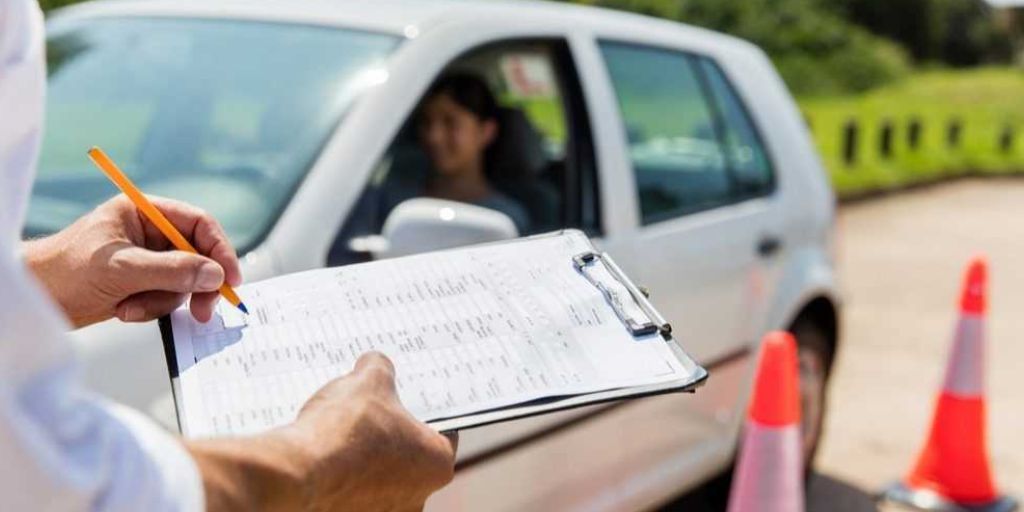

Law Outsources Examiners to Streamline Driver’s License Tests. The Proposal Aims to Reduce Wait Times and Optimize the Process.
Imagine having your practical test for obtaining a Driver’s License (CNH) administered by any qualified citizen. It seems unlikely, but a new bill could make this idea a reality.
In an unexpected move, the government proposed changes that could eliminate the long wait and bureaucracy that plague those trying to achieve the highly sought-after CNH. But does this innovation come with its risks?
The Proposal to outsource the practical evaluation process for CNH candidates, PL 394/2024, promises a complete transformation of the system.
-
Suzuki XL6: Affordable Premium Minivan in India Offers Seating for Six, Hybrid Engine, and Impressive Fuel Efficiency

-
Banco do Brasil and Uber Launch Cashback Program Offering Up to 3.5 Loan Installments Back, Drivers Gain Access to New Cars Worth Up to $30,000 Through Move Brasil Initiative

-
Looking for a Car for Dirt Roads? Fiat Uno, Strada, and Volkswagen Gol Offer Durability and Affordability

-
MG Motor to Produce Two Electric Cars in Brazil with $75 Million Investment, Creating 600 Jobs


Currently, the administration of the exams relies exclusively on public servants, which creates long lines and delays, reaching up to two months in some regions of the state.
According to the government of Santa Catarina, outsourcing would be the solution to this problem, speeding up the process and alleviating the burden on the State Department of Transit (Detran-SC).
How Will the New Model Work?
According to the project, the idea is to create a Special Commission of Traffic Examiners. These examiners will no longer be just public servants, but rather qualified citizens, provided they complete a specific course offered by Detran-SC.
Upon completion of the course, the examiners will be appointed by an act of the department president, allowing practical exams to occur more quickly and efficiently.
This model would not only reduce wait times but also decentralize the power of evaluation, removing the exclusivity of the licensing process from the hands of the state government.
The change is still being processed and will be evaluated by the Commission of Constitution and Justice of the Santa Catarina Legislative Assembly.
Advantages or Risks for the Driver’s License?
Making the licensing process easier seems like an excellent idea, but are there risks involved? According to experts, outsourcing the evaluation could bring more flexibility and speed to the system.
However, there are concerns about the quality and impartiality of the exams, as outsourced examiners will not have the same direct connection to the public agency.
Another important point is that if the project is approved, Santa Catarina will become the first state to implement such a significant change in the structure of Detran.
This opens doors for discussions in other regions of the country. Does the population support the idea of entrusting the evaluation to any qualified citizen?
Next Steps for the Bill on the Practical Test
The PL 394/2024 moves to analysis in the Santa Catarina Legislative Assembly. According to the document, members of the Special Commission of Traffic Examiners will have to follow a strict regulation and undergo periodic training to ensure that the exams are administered fairly and efficiently.
Meanwhile, the proposal sparks discussions among drivers and experts. Some believe that outsourcing will bring more agility and dynamism, while others fear it could affect the quality of the evaluation of future drivers.
With the approval of the Commission of Constitution and Justice, the project will be brought to a vote in plenary, where state deputies will decide the fate of this controversial measure. What everyone is asking is: will this be the future of licensing in Brazil?