Portuguese
  Spanish




The New Regulation Amends Education Laws to Make the Provision of Potable Water and Sanitation in Public Schools Mandatory, Reinforcing the Urgency Revealed by Census Data on Serious Failures in Access to Water Resources
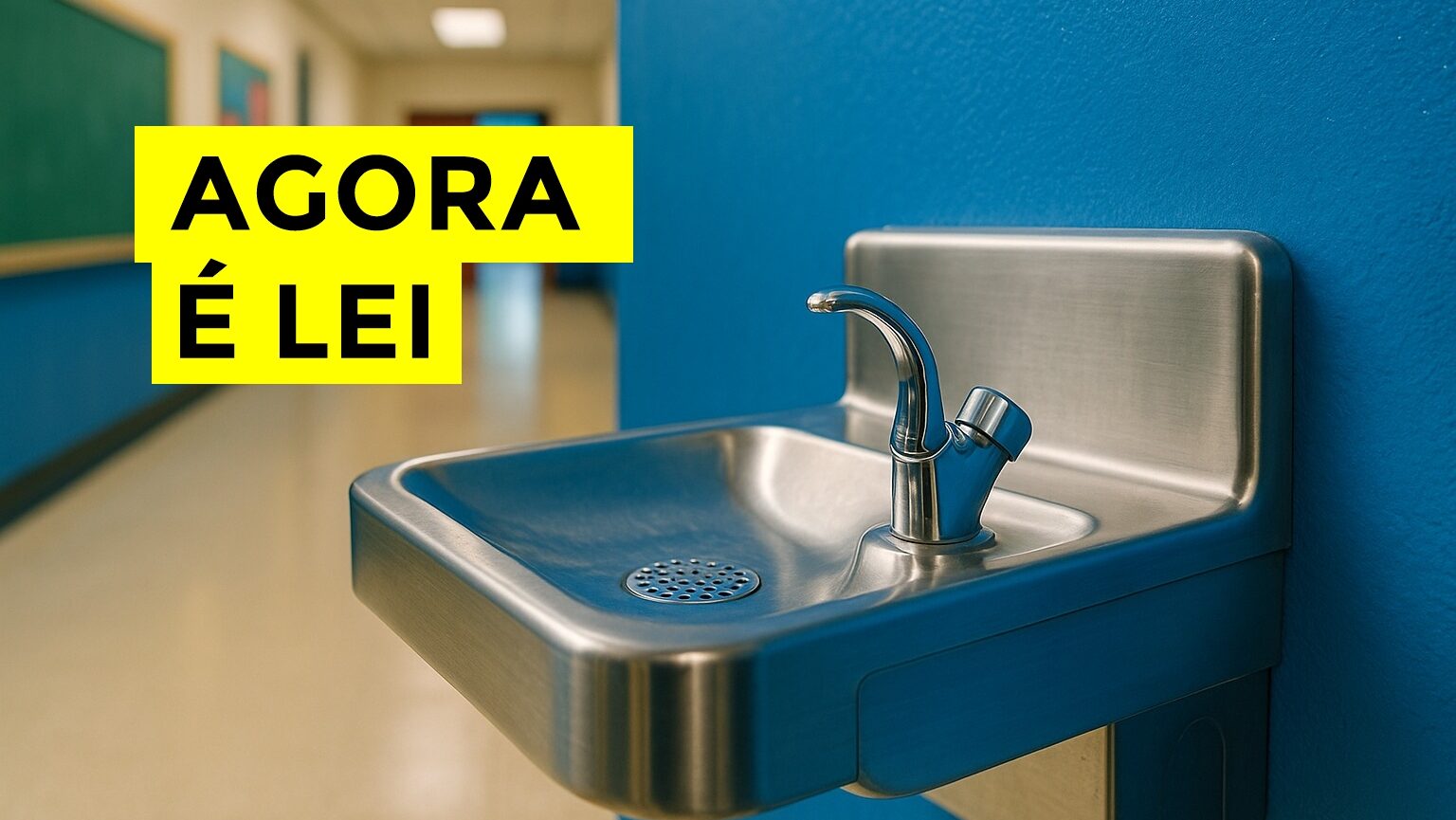
The Law 15.276 mandates that public educational institutions must provide potable water to students. The measure was signed into law last Friday by President Lula and published in the Official Federal Gazette on Monday. The text also guarantees sanitary infrastructure and basic sanitation in school units.
The regulation originates from PL 5.696/2023, presented by federal deputy Duda Salabert. In reviewing the project in the Senate Education and Culture Commission, rapporteur Alessandro Vieira highlighted that the actions are essential to ensure adequate conditions for students to remain in school, especially for those in greater vulnerability.
Changes in Educational Laws
The proposal modifies the Law of Guidelines and Bases of Education and the School Food Law. The changes include the obligation to ensure access to potable water and sanitation in all public schools. The federal government, states, municipalities, and the Federal District are responsible for carrying out the necessary infrastructure actions in the institutions under their administration.
-
Brazilian Supreme Court Pauses Fines for Workplace Regulation Violations for 90 Days, but Companies Must Still Address Harassment and Overwork

-
Seniors Over 60 Can Travel for Free Across Brazil: Elderly Statute Ensures Two Free Bus Seats and 50% Discount When Full for Low-Income Passengers

-
Detran RJ starts requiring a toxicological test for those obtaining their first driver’s license in the car and motorcycle category starting June 29; see who will be affected.
-
Florida takes TikTok to court and accuses the Chinese giant ByteDance of ignoring the law that bars minors under 14, while parents and authorities demand more protection for children on social networks.




In the report presented, Alessandro Vieira cited data from the 2023 Census conducted by Inep, which reveals that over 1 million children and adolescents are enrolled in schools without adequate access to potable water. The survey indicates that 7,700 schools have inadequate access to water resources.
Structural Challenges
Among these units, 3,000 have no access to water at all. Most are located in rural areas, especially on indigenous lands, settlements, and quilombola communities. The census also shows an impact in urban regions, where about 2,000 schools report inadequate access to water resources. According to the rapporteur, the scenario is alarming because it involves institutions where students do not find the minimum necessities.
Oversight and Sustainability
The law also amends the School Food Law by expanding the role of School Food Councils. These bodies, which already monitor the application of lunch funds, will also oversee the funds allocated for water supply.
The text establishes that the public authorities must promote rainwater harvesting systems whenever possible and provide specialized technical support for the implementation of the measures. The regulation also provides for awareness-raising actions regarding water use and the importance of harvesting for environmental sustainability.