






 Portuguese
  Spanish


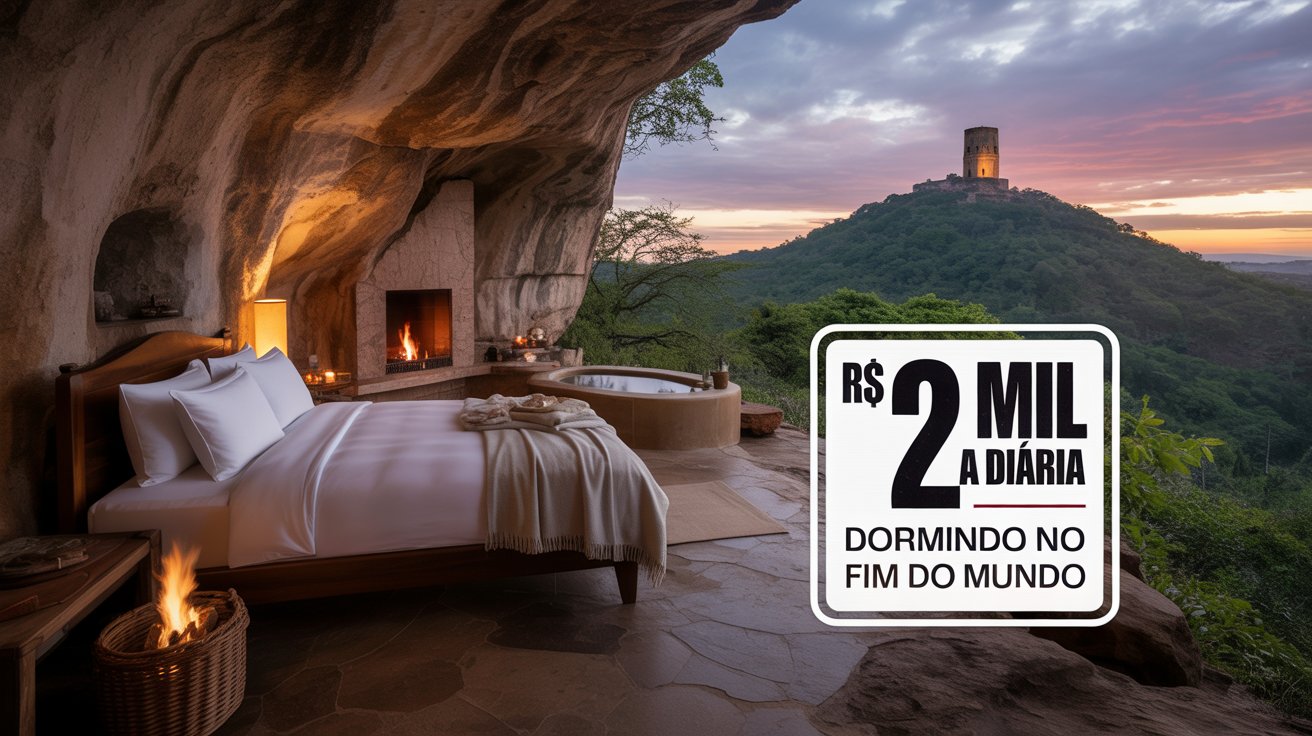


Brazilians Are Paying A Lot For Unconventional Accommodations In Caves, Towers, And Isolated Lighthouses. The New Trend Attracts Those Seeking Silence, Isolation, And A Radical Escape From The Connected World.
Sleeping in a cave or in an old lighthouse in the middle of nowhere may sound like an extreme challenge, but this experience has become a sought-after desire among tourists looking for refuge from urban routines.
The phenomenon, dubbed “isolation tourism” or “off-grid travel,” is rapidly growing in Brazil and abroad, with accommodations costing up to R$ 2,000 per night.
Exotic accommodations such as towers, islands without electricity, and natural caves are among the most sought-after options by travelers looking for absolute silence and reconnection with nature.
-
American Youth Transforms from Severe Obesity to U.S. Air Force Enlistment, Losing 90 Kilograms in Two Years

-
11-Year-Old Entrepreneur Sells 60 Homemade Sweets Daily, Mastering Cost Calculation, Social Media Promotion, and Client Negotiation Since Age 7

-
Peruvian Mountain’s 5,200 Aligned Holes May Unveil Ancient Indigenous Market for Corn and Cotton
-
The Little-Known Story of a Home-Built Airplane That Promised Freedom but Faced Safety Issues After Numerous Accidents


Off-Grid Tourism In Brazil
According to data from Airbnb and Booking.com, searches for terms like “isolated refuge” and “nature accommodation” have skyrocketed among Brazilian tourists in the past 12 months.
In many cases, the differentiator is not in traditional luxury, but in the exclusivity of the location, the lack of cell phone signal, and the feeling of being out of the world.
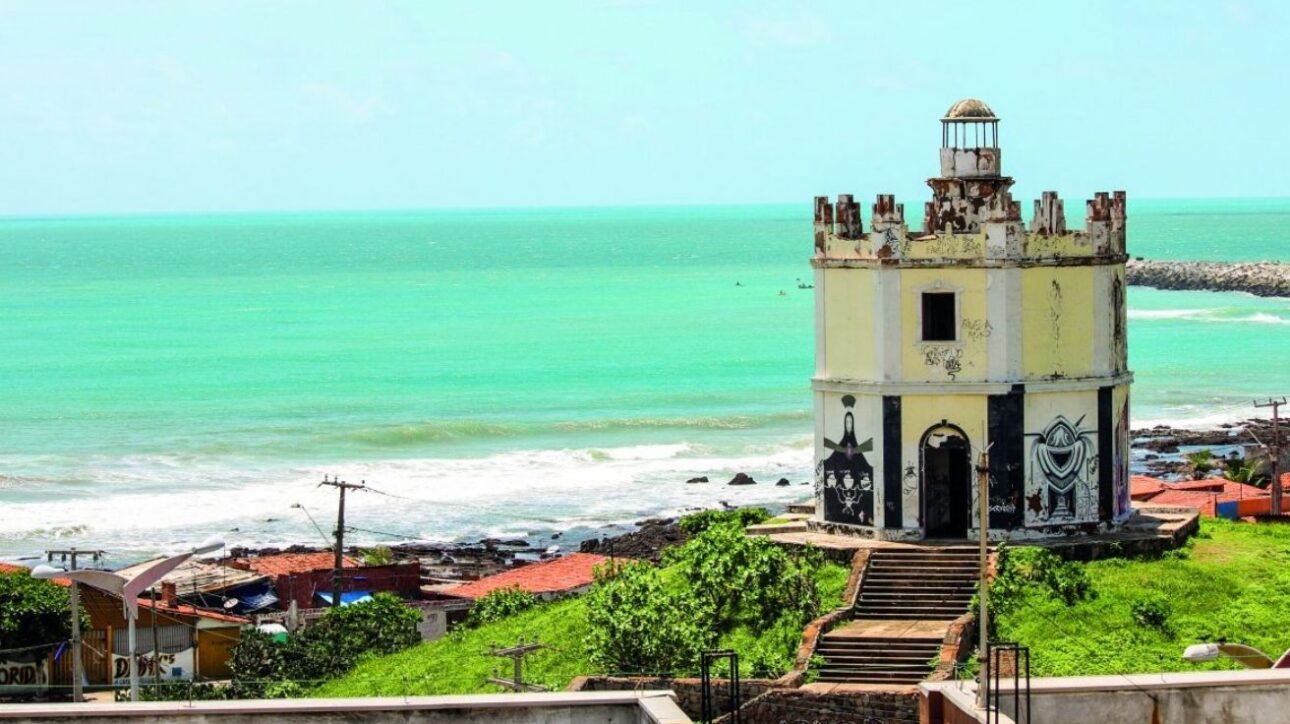
In some coastal areas of Ceará, structures such as observation towers or old coastal buildings have started to be repurposed by local entrepreneurs, transforming into accommodations with great visual appeal.
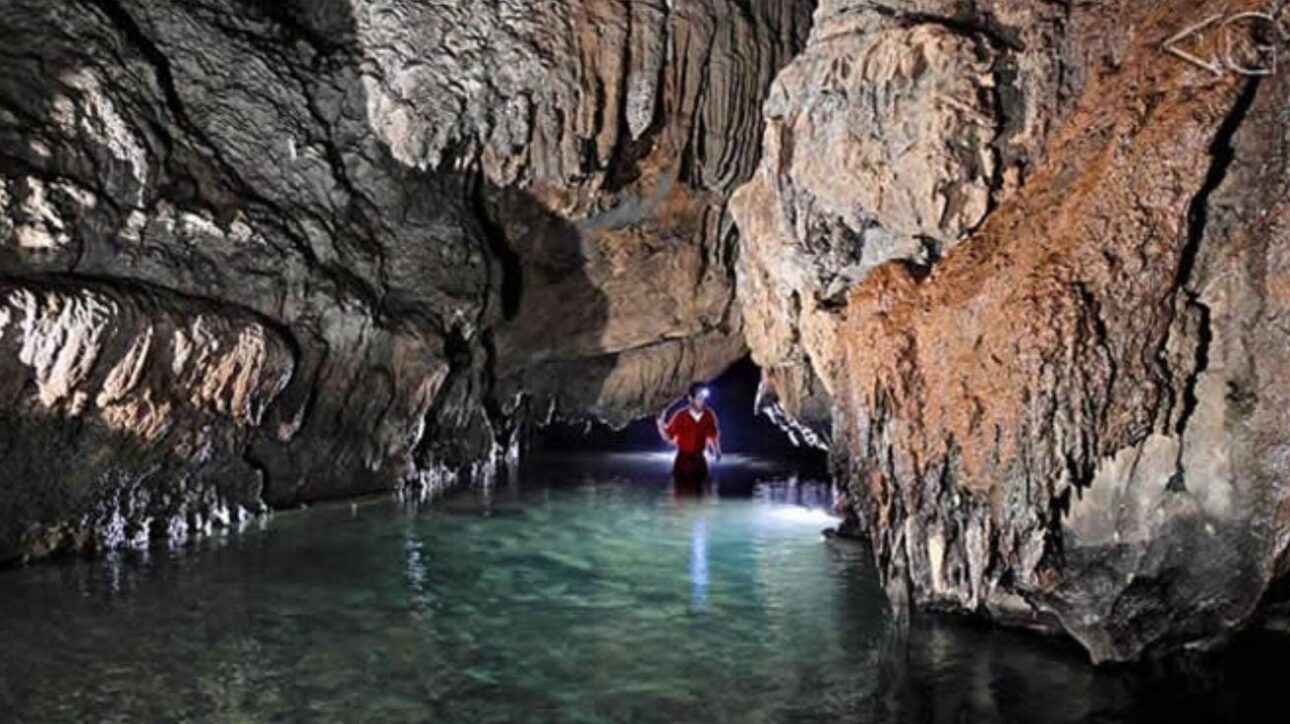
In natural areas of Santa Catarina, there are specific initiatives to adapt caves and grottos as tourist experience points, respecting ecological and sustainable criteria.
High Demand And Slowed Down Lifestyle
Accommodation platforms are already heavily investing in this type of offering.
Abroad, networks like Unyoked, specializing in micro cabins in the middle of the forest, report high occupancy even with rates exceeding R$ 1,500 per night.
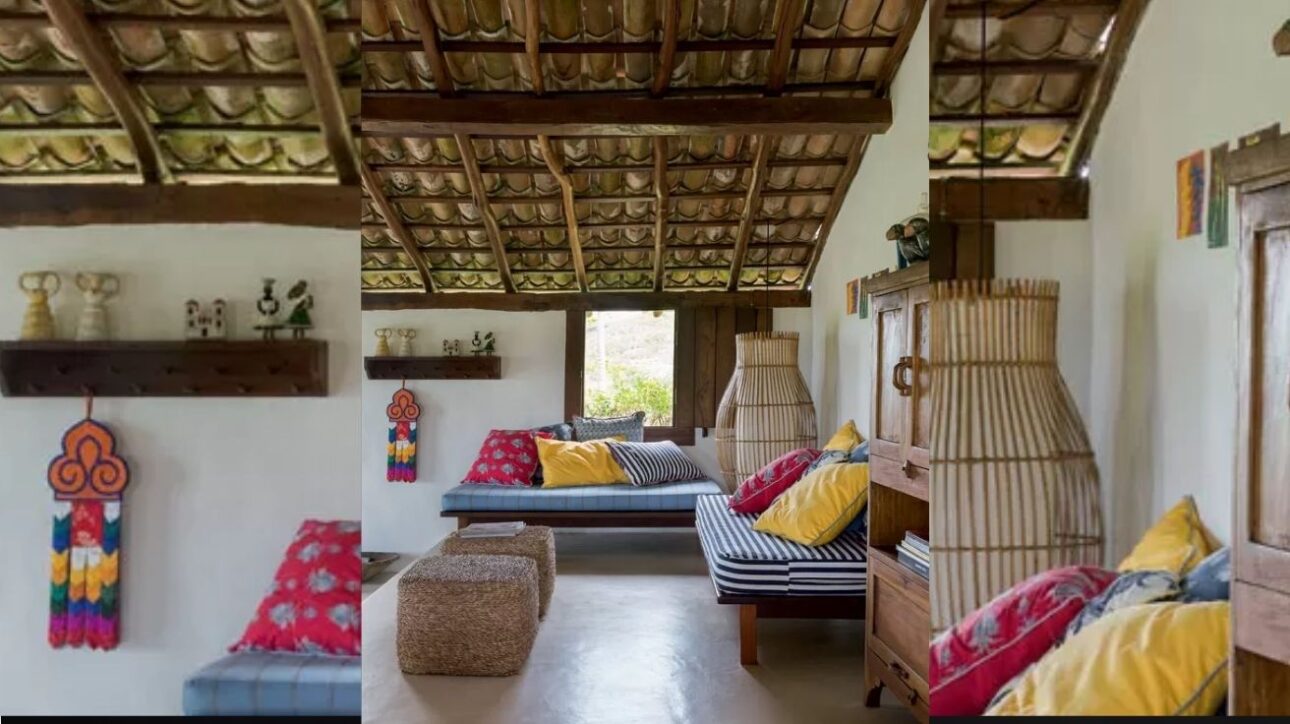
In Brazil, local companies have also increased the number of accommodations with rustic appeal, away from urban centers.
The proposal especially appeals to tourists from large cities looking for a type of digital detox.
Most listings highlight the absence of Wi-Fi, soundproofing, and direct contact with trails, rivers, or mountain landscapes.
Nature, Silence, And Sustainable Architecture
This trend gained strength after the pandemic but solidified in the following years with the growth of “slow travel” — a less hurried, more contemplative travel style focused on deep experiences.
The search for accommodations in unusual locations has also exploded on TikTok, with influencers showcasing stays in parked boats, treehouses, and even repurposed agricultural silos.
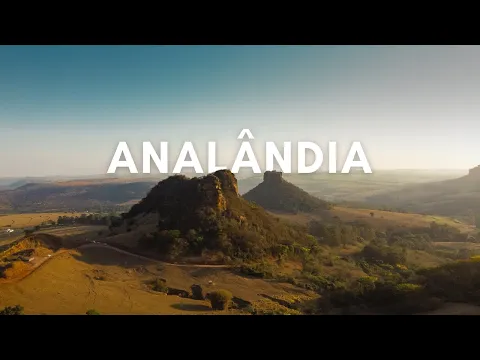
In cities like Analândia, in the interior of São Paulo, which are already known for trails and natural viewpoints, accommodations are beginning to emerge that take advantage of elevated terrain and panoramic views as their main attraction.
Some of these experiences, although simple, can charge up to R$ 1,800 per night due to exclusivity.
The interior of Minas Gerais, the northern coast of Rio Grande do Sul, and the sertão of Bahia also enter this circuit with similar structures, many of which are managed by local entrepreneurs who see the trend as a business opportunity.

Isolation Tourism In Brazil
The environmental impact is usually minimal.
Buildings follow principles of sustainable architecture, using solar panels, composting, and water reuse.
Most accommodations market themselves as “eco-experience” or “eco lodge,” focusing on total disconnection.
This type of accommodation usually attracts couples, small groups, and even digital nomads seeking a productive isolation period without distractions.
Despite the high rates in many cases, occupancy remains high.
The scarcity of units and the exclusive appeal mean reservations often need to be made weeks or months in advance.
Perspectives For The Brazilian Market
Tourism experts say Brazil has great potential to expand this market, thanks to the diversity of biomes and the presence of remote regions with controlled access.
In Europe, similar experiences are already offered in medieval towers, deactivated lighthouses, and even volcanic caves in the Canary Islands.
In Brazil, this modality is still expanding, but the growing demand indicates that isolation tourism could stop being a trend and become a new definitive category of accommodation.
Would you stay in a place without a signal, in the middle of the woods or inside a cave — just for the silence and the view?



Cavernas tem morcegos, torres tem fantasmas. Um farol repleto de aves marinhas é bem mais emocionante, especialmente se ao chegarmos lá e depois que o barco for embora houver um aviso de tsunami na região. Com 2 mil reais eu passo 1 semana numa pousada na serra (modesta).